Decorative Privacy Laser‑Cut Aluminum Panels in California: Design, Function, and Sustainability
Introduction
California’s built environment is defined by a blend of cutting‑edge design, strict environmental standards, and a climate that ranges from coastal fog to desert heat. Within this context, decorative privacy laser‑cut aluminum panels have emerged as a versatile solution for architects, developers, and homeowners who seek to combine aesthetic appeal with functional performance. This article explores how these panels are being used across the state, the benefits they deliver, and the considerations that shape their successful integration.
1. Why Laser‑Cut Aluminum?
| Feature | Relevance to California |
|---|---|
| Lightweight yet strong | Reduces structural load on seismic‑prone constructions and eases transportation across the state’s sprawling geography. |
| Corrosion resistance | Ideal for coastal cities such as San Diego, Santa Barbara, and the Bay Area where salty air accelerates metal degradation. |
| Design flexibility | Laser technology enables intricate patterns that can reference local cultural motifs, natural forms, or modern geometric grids. |
| Recyclability | Aligns with California’s aggressive recycling mandates and the state’s goal of achieving a circular economy for building materials. |
| Thermal performance | When combined with perforation strategies, panels can moderate solar gain—critical for energy‑efficient design in hot inland valleys. |
2. Architectural Applications
2.1 Facade Screening
- Urban office towers: Panels are installed as secondary skin systems that provide privacy for conference rooms while allowing diffused daylight to penetrate deep interior spaces.
- Mixed‑use developments: In ground‑level retail zones, laser‑cut screens create a visual barrier between street activity and interior spaces without sacrificing the vibrant street life that California cities cherish.
2.2 Interior Partitioning
- Open‑plan offices: Decorative panels act as acoustic buffers and visual dividers, fostering a sense of privacy without the oppressive feel of solid walls.
- Healthcare facilities: In clinics and hospitals, patterned aluminum screens protect patient confidentiality while maintaining a calming, light‑filled environment.
2.3 Outdoor Spaces
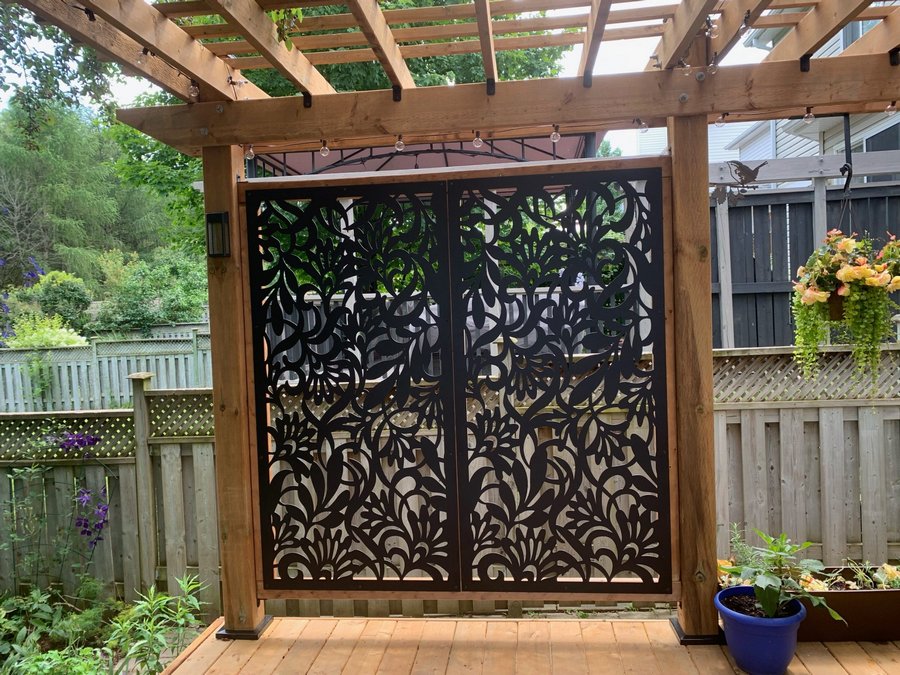
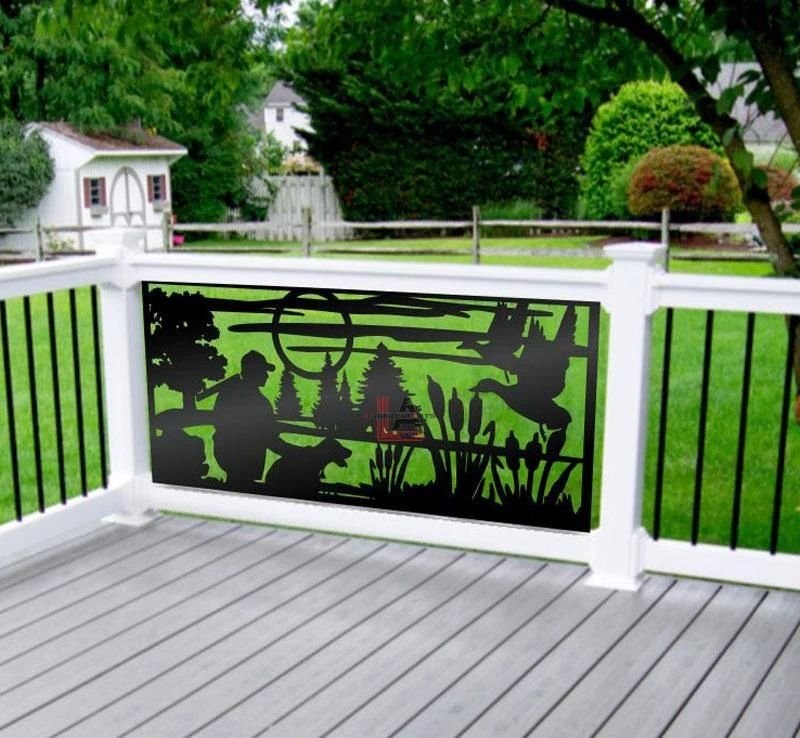
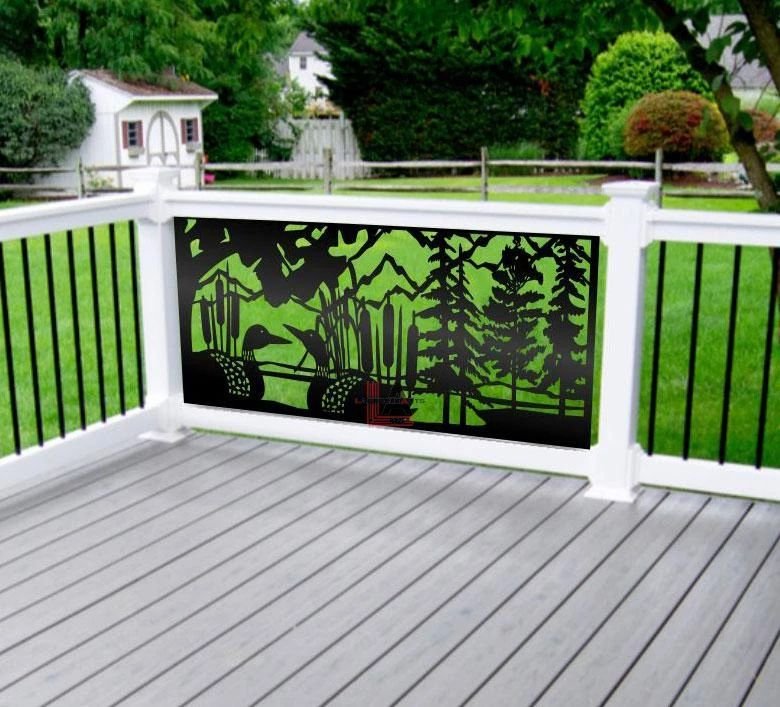
- Patios and courtyards: Panels provide shade and privacy for residential backyards, especially in high‑density neighborhoods where outdoor space is at a premium.
- Public plazas: Municipal projects use laser‑cut screens to define seating zones, guide pedestrian flow, and incorporate public art elements that reflect local heritage.
2.4 Sustainable Design Features
- Daylighting control: By varying the density of cut‑out patterns, designers can fine‑tune the amount of natural light entering a space, reducing reliance on artificial lighting.
- Passive cooling: Perforated panels promote airflow, helping to dissipate heat in hot climates such as the Central Valley and Inland Empire.
- Solar integration: Some projects embed photovoltaic cells behind the aluminum screen, turning the decorative element into a functional energy‑generating façade.
3. Design Trends Shaped by California’s Context
3.1 Biomimicry
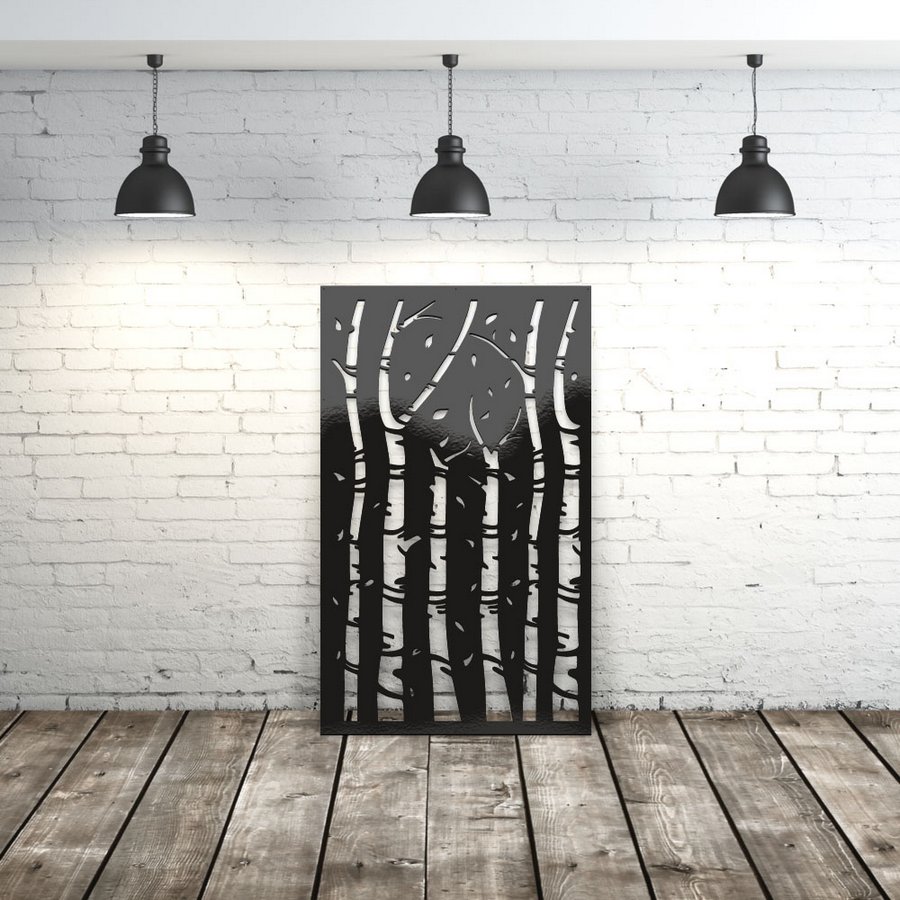
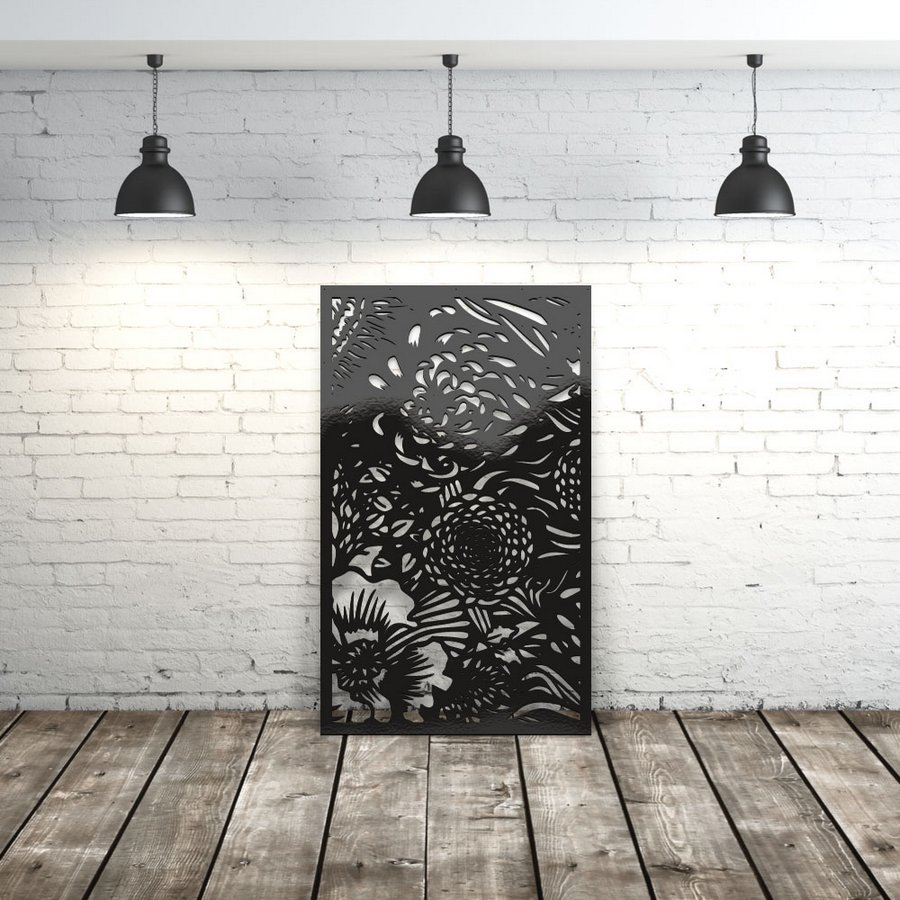
Patterns inspired by native flora—such as the leaves of the California poppy or the fronds of coastal redwoods—are laser‑cut to create organic, flowing screens that resonate with the state’s natural identity.
3.2 Cultural References
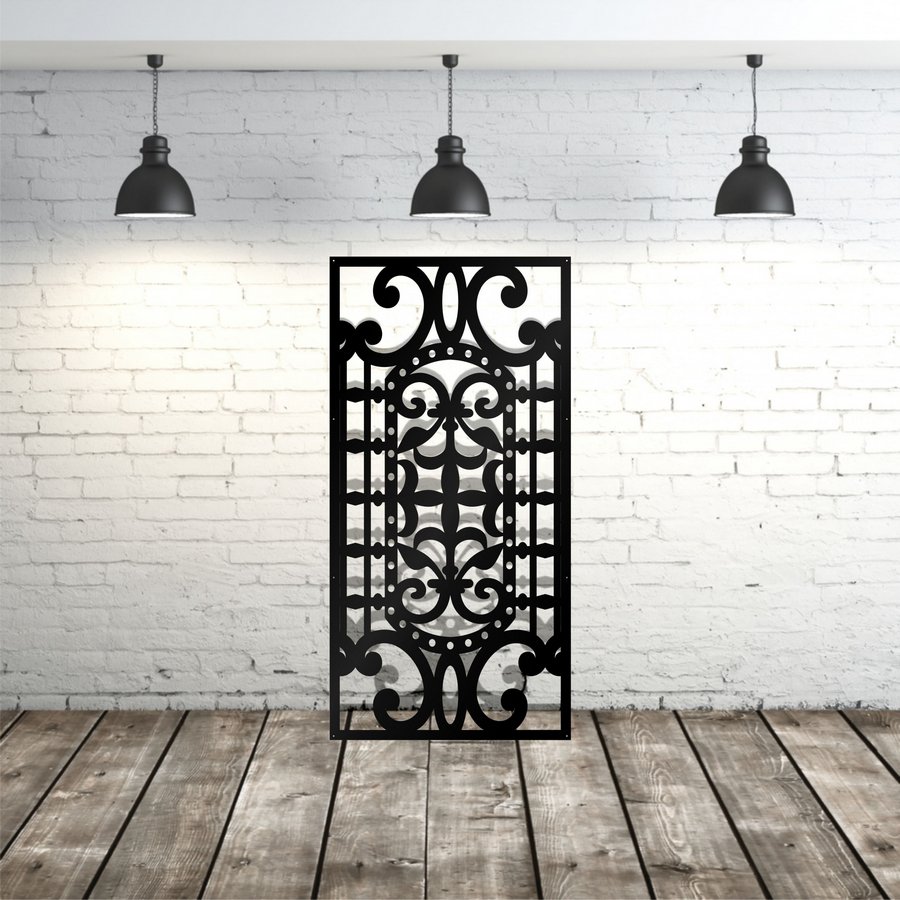
Designs that echo indigenous motifs, Spanish mission arches, or the sleek lines of mid‑century modernism pay homage to California’s layered history while delivering contemporary performance.
3.3 Adaptive Transparency
Dynamic panels that can be reconfigured or combined with motorized shading systems allow building owners to respond to seasonal changes, from the foggy mornings of San Francisco to the scorching afternoons of Palm Springs.
3.4 Minimalist Geometry
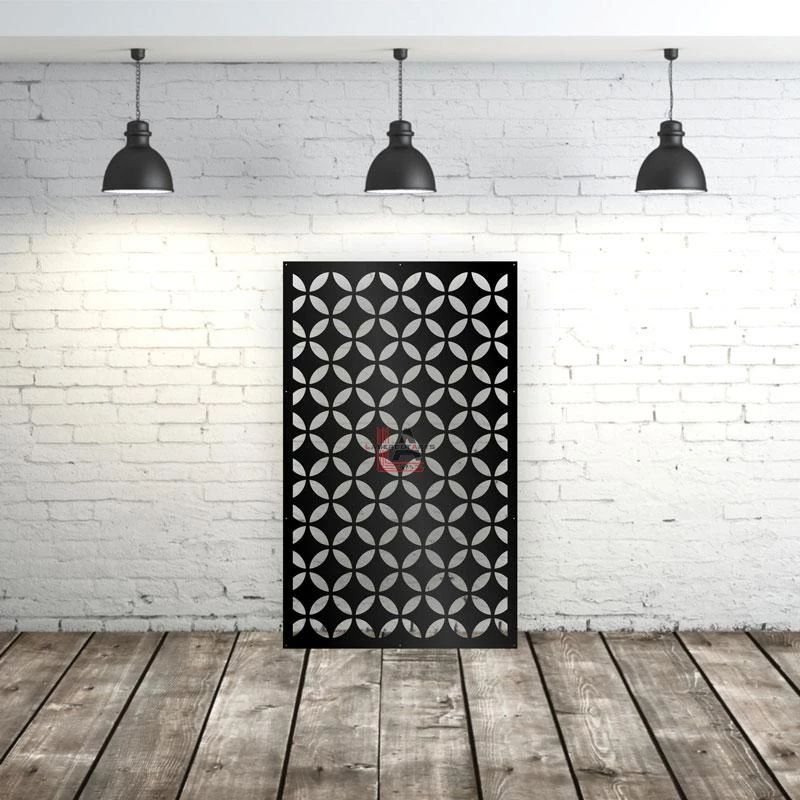
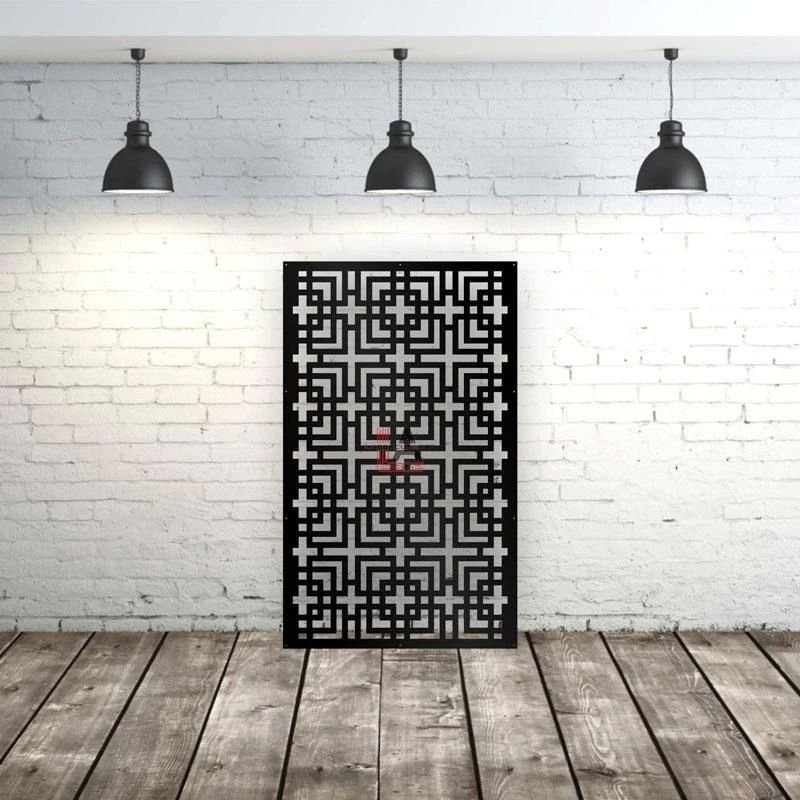
Clean, repetitive geometries—hexagons, diamonds, or linear grids—support the minimalist aesthetic popular in tech campuses across Silicon Valley, while still providing the necessary privacy.
4. Technical and Regulatory Considerations
4.1 Seismic Compliance
California’s building codes (e.g., Title 24, Chapter 16) require that façade systems withstand lateral forces. Laser‑cut aluminum panels must be anchored to structural members using seismic‑rated brackets and connections, and the overall system must be tested for drift and load distribution.
4.2 Energy Codes
The California Energy Code (Title 24, Part 6) mandates specific U‑values and solar heat gain coefficients. By selecting appropriate perforation ratios and integrating reflective finishes, panels can contribute to meeting these performance thresholds.
4.3 Fire Safety
Aluminum itself is non‑combustible, but the panel system must be evaluated for flame spread and smoke development, especially in high‑rise applications. Proper detailing around joints and penetrations is essential to maintain fire‑rating continuity.
4.4 Accessibility
When panels are used as part of wayfinding or barrier systems, designers must ensure that visual contrast and tactile cues comply with the Americans with Disabilities Act (ADA) and California’s accessibility standards.
5. Installation Strategies
- Prefabrication – Panels are typically fabricated off‑site to exact dimensions, reducing on‑site waste and installation time.
- Modular Mounting – Systems are designed as interchangeable modules, allowing for future reconfiguration or replacement without extensive demolition.
- Weatherproof Sealing – Gaskets and sealants compatible with the marine environment are employed in coastal projects to prevent water ingress.
- Coordination with MEP – Laser‑cut panels can be integrated with lighting, HVAC diffusers, and sensor networks, requiring early coordination among engineers.
6. Case Studies (Conceptual Overviews)
| Project Type | Design Intent | Panel Implementation |
|---|---|---|
| Tech Campus Headquarters – Silicon Valley | Create a high‑tech, transparent façade that protects confidential research areas while showcasing the company’s brand language. | Large‑scale hexagonal laser‑cut panels with 30 % open area, combined with integrated LED backlighting for night‑time branding. |
| Coastal Boutique Hotel – Santa Barbara | Offer guests private balcony spaces that still feel connected to the ocean view. | Curved, wave‑inspired panels with variable perforation density, providing shade and privacy without obstructing the sea vista. |
| Urban Mixed‑Use Development – Downtown Los Angeles | Separate street‑level retail from residential units while maintaining an active streetscape. | Stacked vertical screens with patterned cut‑outs that double as public art, allowing daylight to filter to ground‑floor cafés. |
| Healthcare Facility – Sacramento | Enhance patient privacy in waiting areas while improving acoustic comfort. | Acoustic‑optimized panels featuring a fine lattice pattern, reducing reverberation and creating a soothing visual environment. |
7. Sustainability Impact
- Embodied carbon: Aluminum production has a high initial carbon footprint, but the material’s durability and recyclability offset this over a typical 30‑year service life.
- Life‑cycle reuse: Because panels are modular, they can be reclaimed and repurposed in new projects, supporting adaptive reuse strategies.
- Reduced material waste: Laser cutting is a subtractive process that generates minimal scrap, especially when nesting multiple designs within a single sheet.
- Energy savings: By moderating solar gain and enhancing daylight distribution, panels contribute to lower HVAC and lighting loads, aligning with California’s Zero‑Net‑Energy building goals.
8. Future Directions
- Smart Integration – Embedding sensors that monitor light levels, temperature, or occupancy could enable panels to automatically adjust shading or trigger building automation systems.
- Hybrid Materials – Combining aluminum with transparent polymers or photovoltaic films may create multifunctional skins that generate power while preserving aesthetic flexibility.
- Parametric Design – Advanced computational tools allow designers to generate site‑specific patterns that respond to solar orientation, wind flow, and cultural context, pushing the creative limits of laser‑cut technology.
Conclusion
Decorative privacy laser‑cut aluminum panels have become a cornerstone of contemporary Californian architecture, offering a compelling blend of visual intrigue, functional performance, and environmental responsibility. By addressing seismic, energy, and fire code requirements while embracing local design narratives, these panels enable architects and developers to craft spaces that are both private and inviting, resilient and beautiful. As technology advances, the potential for even smarter, more sustainable applications will only deepen the panels’ role in shaping California’s built future.
Leave a Reply