Laser‑Cut Privacy Metal Screens: Miami’s New Frontier in Outdoor Design
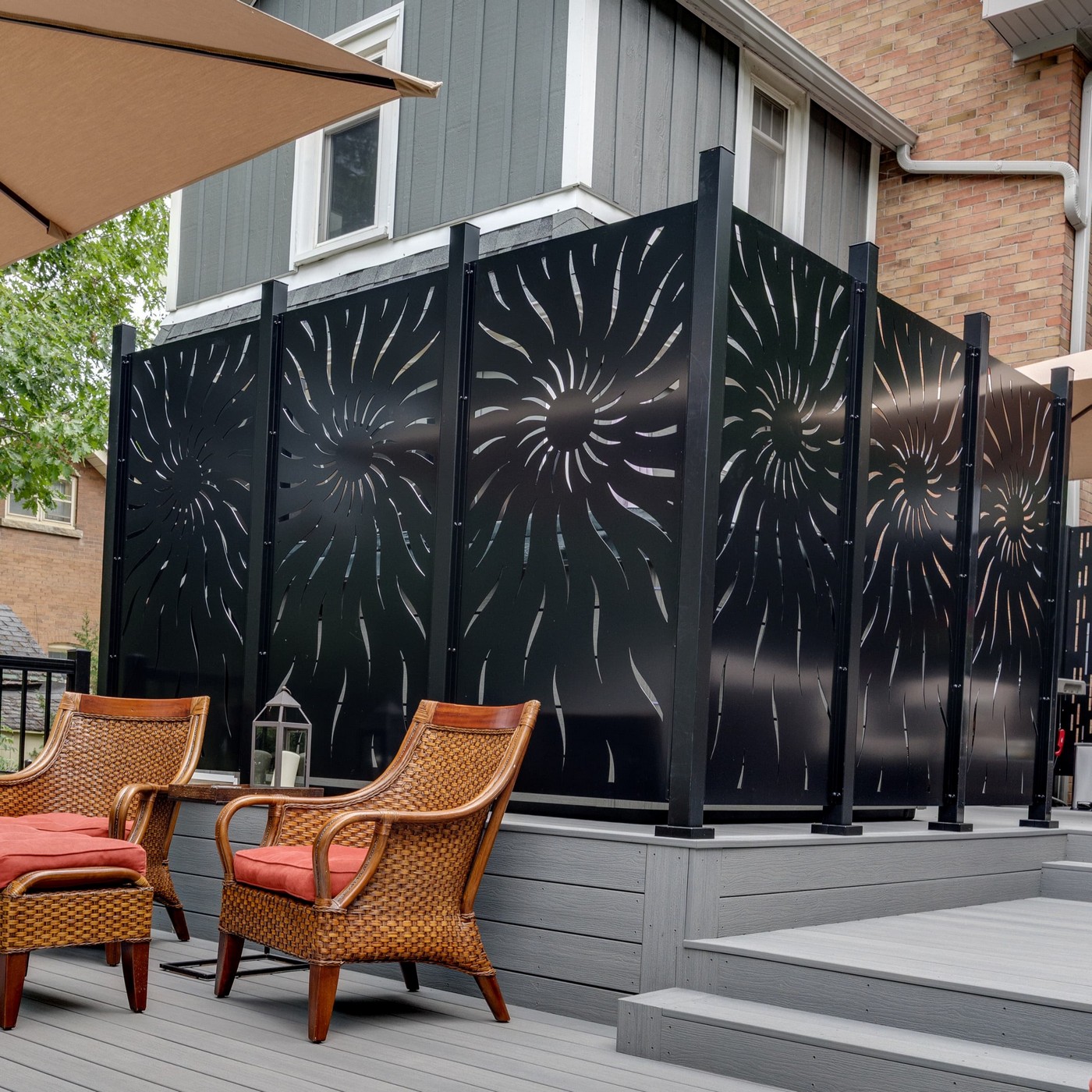
When you think of Miami, images of pastel‑colored homes, palm‑lined streets, and endless sunshine come to mind. Yet beneath the bright façade lies a growing trend that is quietly redefining the city’s architectural language: laser‑cut privacy metal screens. These sleek, sculptural panels are becoming a staple in both residential and commercial projects, offering a blend of form, function, and sustainability that resonates with the region’s unique climate and aesthetic sensibilities.
1. Why Laser‑Cut Metal Screens Are Gaining Momentum
A. The Need for Privacy in an Open‑Air Culture
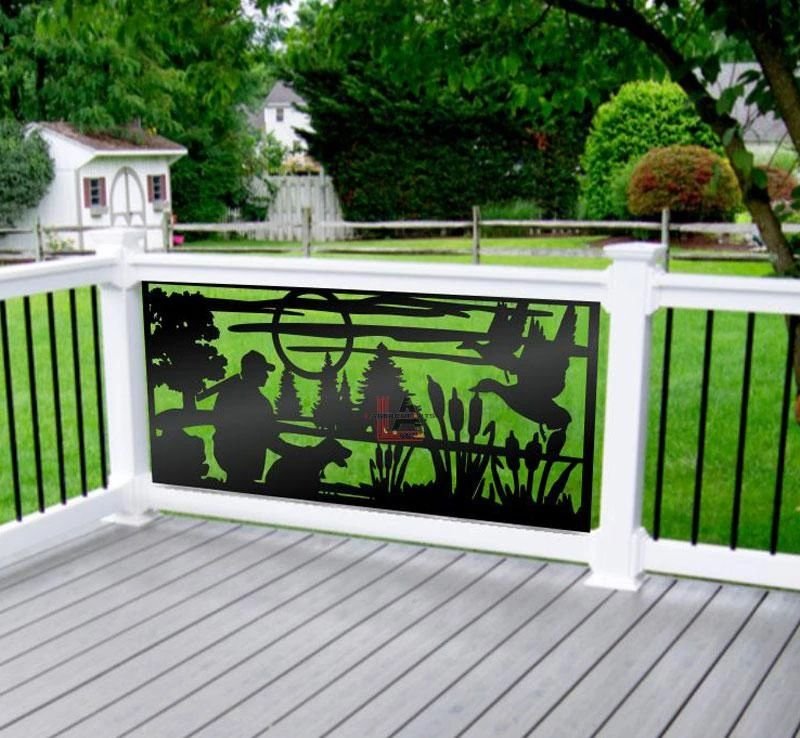
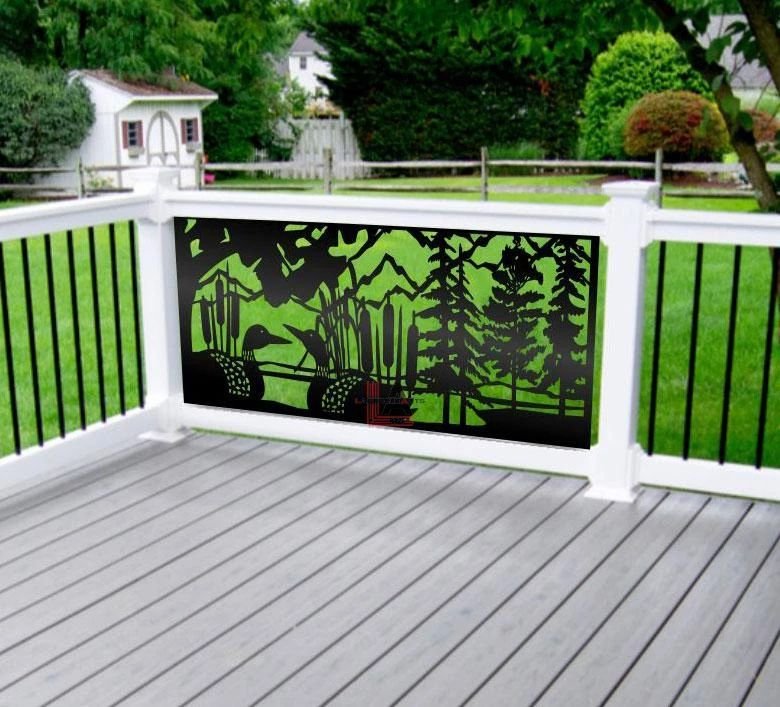
Miami’s climate encourages outdoor living. Porches, patios, and pool decks are integral to the lifestyle, but they also expose homes to the public eye. Traditional screens—wood, vinyl, or mesh—often fail to balance privacy with light and airflow. Laser‑cut metal screens, with their precise patterns, allow homeowners to maintain an intimate connection to the outdoors while shielding from unwanted views.
B. Architectural Versatility
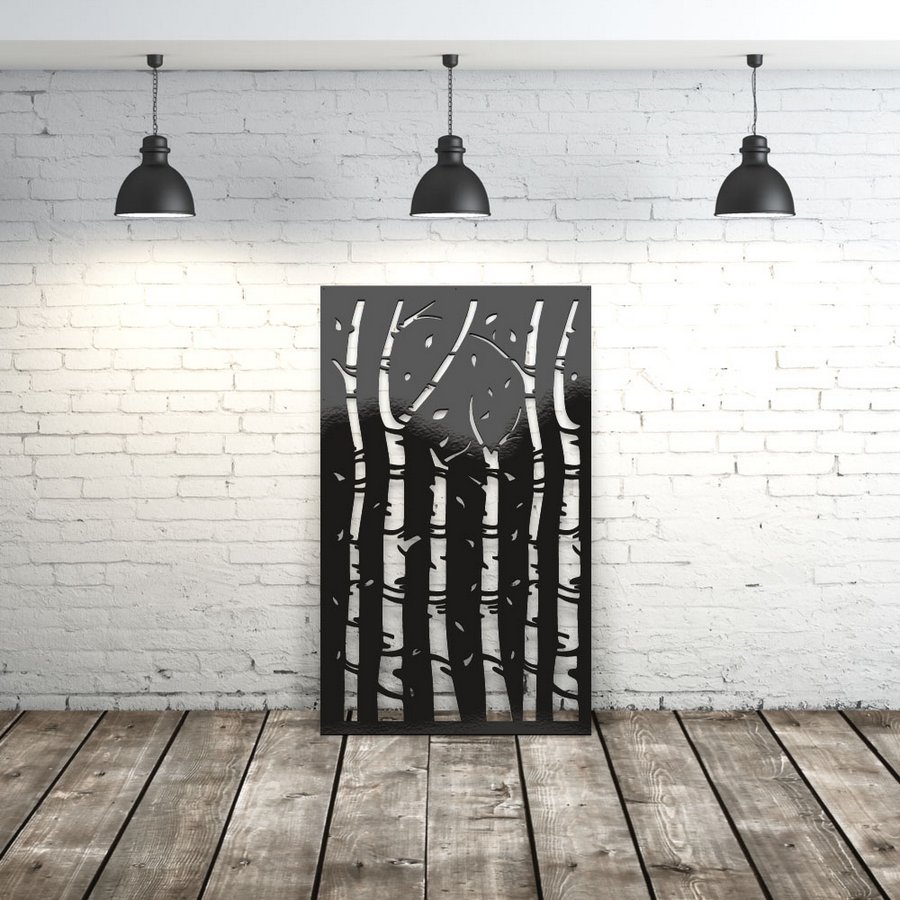
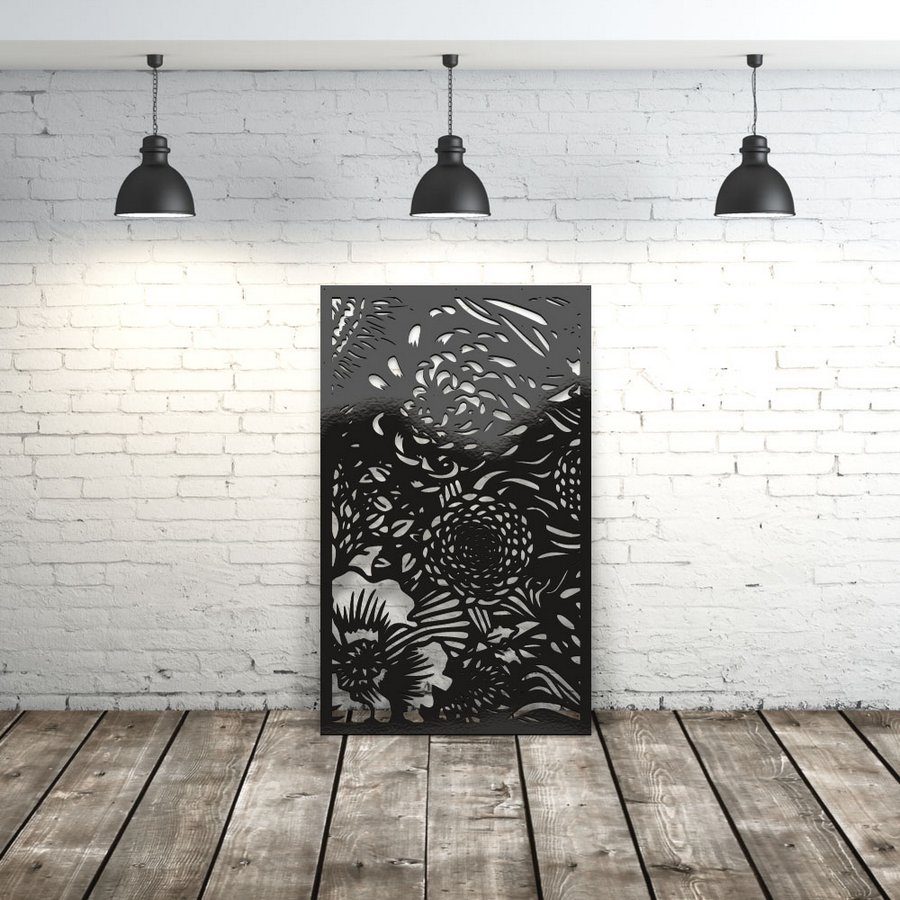
Unlike conventional screens that come in pre‑made panels, laser cutting offers limitless design possibilities. Architects and designers can craft intricate motifs that echo local motifs—such as tropical foliage, geometric waves, or abstract art—turning a simple privacy barrier into a statement piece.
C. Durability Meets Sustainability
Metal, especially aluminum or steel, is naturally resistant to the corrosive salt air that characterizes Miami’s environment. When paired with laser cutting, the resulting panels can be produced with minimal waste, as the process uses precise energy to carve the design directly from the sheet. This efficiency aligns with the growing demand for eco‑friendly building solutions.
2. Design Elements That Define Miami’s Metal Screens
1. Pattern Play
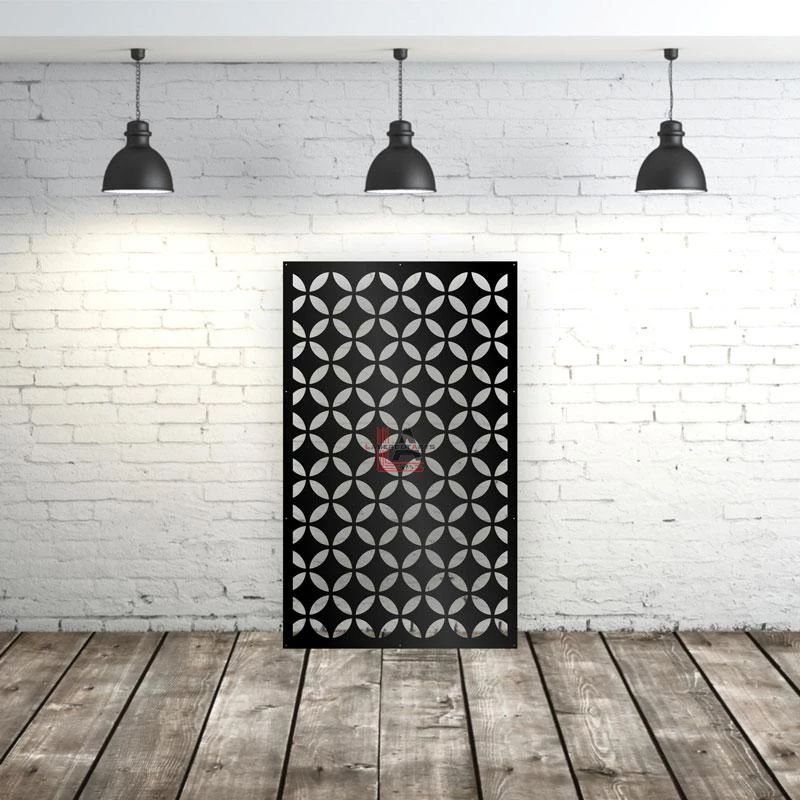
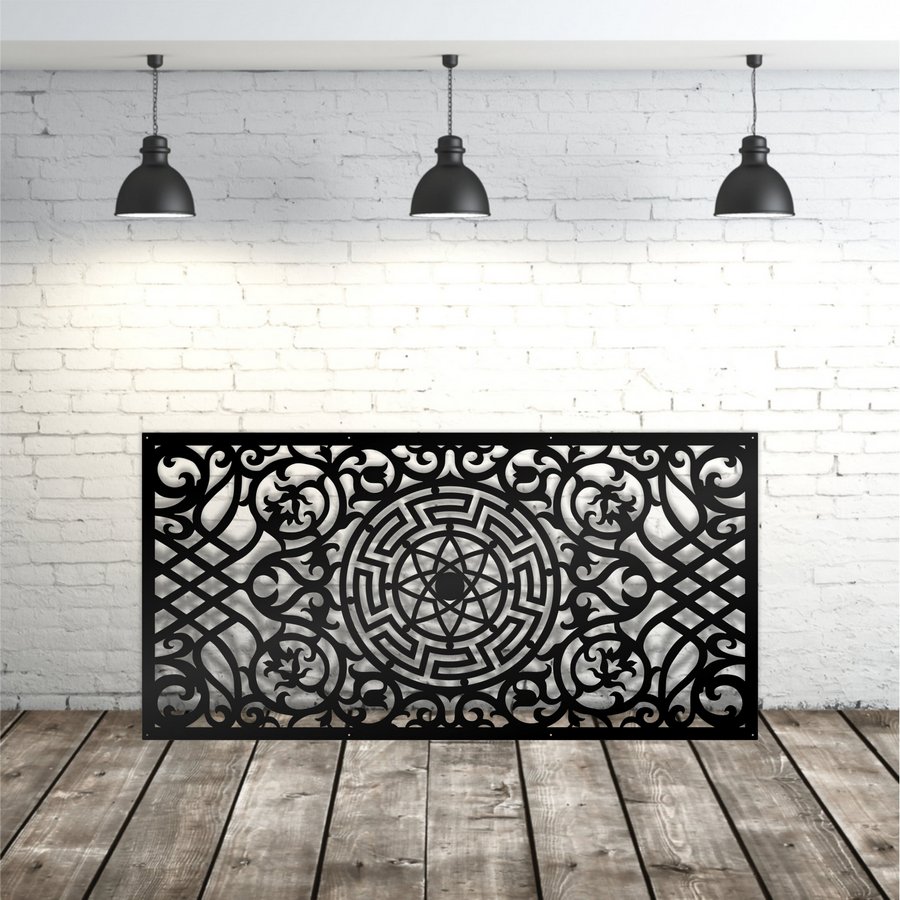
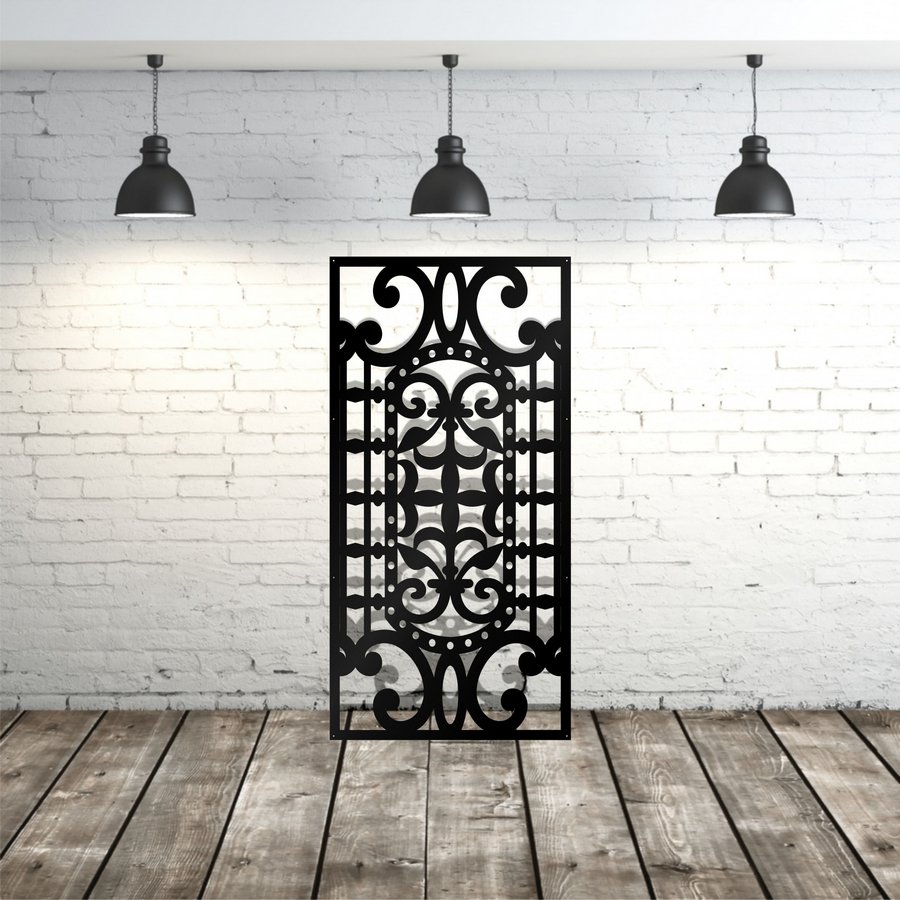
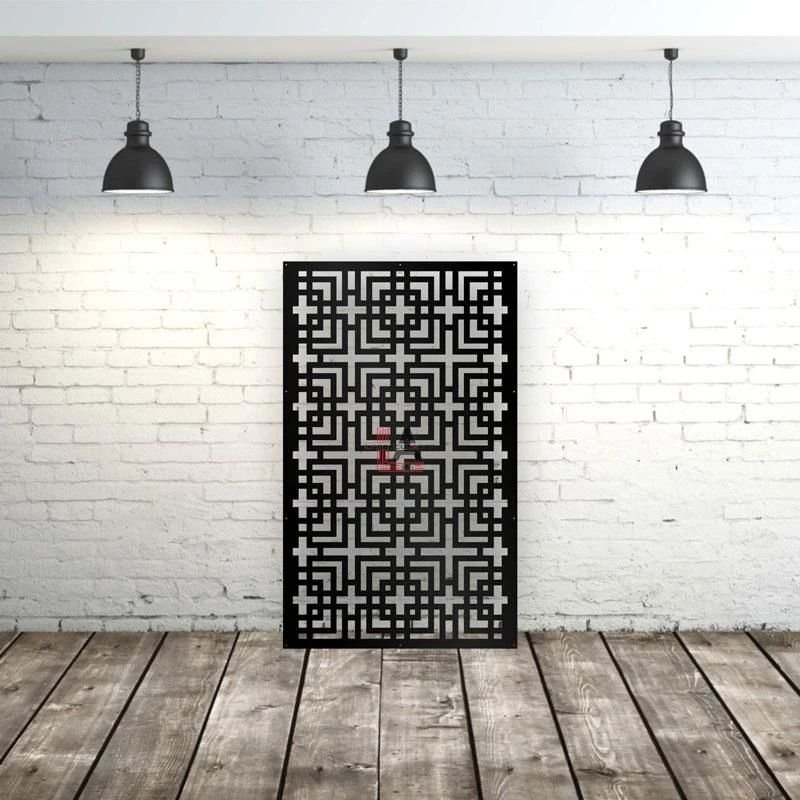
From minimalist grids to elaborate filigree, the patterns can be tailored to reflect the homeowner’s taste or the building’s architectural style. In Miami, designers often lean toward bold, geometric shapes that echo the Art Deco heritage of South Beach, or they opt for organic, leaf‑shaped cuts that nod to the region’s lush vegetation.
2. Transparency and Light Diffusion
The spacing between cut lines determines how much light permeates. A tighter grid offers more privacy but can cast dramatic shadows; a looser pattern allows more natural light, creating a soft, diffused glow that enhances outdoor living spaces.
3. Color and Finish
While the metal’s natural hue can be left raw for a modern, industrial look, anodizing or powder coating allows for vibrant colors that complement Miami’s pastel palette. Matte finishes reduce glare, whereas glossy coatings can reflect the vibrant sky, adding a dynamic visual element.
4. Integration with Other Materials
Metal screens can be combined with glass, wood, or stone to create layered façades. For example, a glass wall can be partially overlaid with a laser‑cut metal screen, offering privacy while still allowing panoramic views of the ocean or city skyline.
3. Practical Benefits for Miami Residents
A. Weather Resistance
Miami’s humid, tropical climate can accelerate the deterioration of many building materials. Metal screens resist mold, mildew, and rot, and they can withstand high winds and occasional hurricanes when properly anchored.
B. Low Maintenance
Unlike wooden screens that require periodic painting or sealing, metal panels need only occasional cleaning to remove dust or salt residue. Their smooth surfaces also resist the buildup of algae and lichens.
C. Energy Efficiency
By controlling the amount of direct sunlight that enters a space, metal screens can reduce cooling loads. The precise cut patterns can be designed to block harsh midday sun while allowing diffused light, keeping interiors cooler without sacrificing natural illumination.
D. Acoustic Control
The perforated nature of laser‑cut screens can help dampen outdoor noise, creating a quieter, more serene environment—an essential feature in bustling Miami neighborhoods.
4. Installation Considerations
1. Structural Support
Because metal panels can be heavier than traditional screens, ensuring proper structural support is crucial. This may involve reinforcing the wall or balcony framing, especially for large or freestanding installations.
2. Anchoring and Sealing
Secure fasteners and weatherproof seals prevent wind uplift and water infiltration. In high‑wind zones, additional bracing or anchoring to the building’s core can enhance stability.
3. Custom Fit
Laser‑cut panels are typically fabricated to exact dimensions, allowing seamless integration with existing architectural features. This precision reduces installation time and ensures a clean, professional finish.
4. Accessibility to Utilities
When installing screens on balconies or terraces, it’s important to plan for any existing utilities—such as HVAC ducts or electrical conduits—so that the panels do not interfere with maintenance or future upgrades.
5. Trends Shaping the Future of Laser‑Cut Screens in Miami
1. Smart Integration
Emerging technologies allow metal screens to incorporate sensors or smart controls. For instance, panels can be designed to adjust opacity in response to sunlight intensity or to integrate with smart home systems for automated shading.
2. Biophilic Design
Incorporating natural motifs and patterns that mimic plant structures not only enhances aesthetics but also promotes a sense of well‑being. This trend aligns with Miami’s growing emphasis on wellness and outdoor living.
3. Modular Systems
Modular panels that can be rearranged or expanded offer flexibility for homeowners who wish to adapt their spaces over time—whether adding a new patio, expanding a balcony, or reconfiguring a commercial façade.
4. Collaborative Art Installations
Some architects are partnering with local artists to create bespoke metal screen designs that reflect Miami’s cultural diversity. These collaborative pieces can become landmarks in their own right, drawing visitors and adding cultural value to the neighborhood.
6. Choosing the Right Design for Your Project
When selecting a laser‑cut metal screen, consider the following:
- Purpose: Is the screen primarily for privacy, light control, or decorative effect?
- Location: Exterior screens on balconies will face different environmental stresses than interior partitions.
- Style: Does the design need to harmonize with a historic façade, or can it be a bold, contemporary statement?
- Budget: While the article avoids specific pricing, it’s worth noting that custom designs and larger panels will naturally incur higher costs—yet the long‑term durability often offsets the initial investment.
7. The Bottom Line
Laser‑cut privacy metal screens are more than a functional necessity; they are a canvas for creativity, a testament to technological advancement, and a sustainable choice for Miami’s climate. By marrying precision engineering with artistic expression, these panels transform ordinary outdoor spaces into curated experiences that respect privacy without sacrificing the open, airy feel that defines the city.
Whether you’re a homeowner looking to upgrade your patio, a developer designing a new condominium complex, or a commercial property owner seeking a modern façade, laser‑cut metal screens offer a versatile, resilient, and visually striking solution. As Miami continues to evolve, these panels are poised to become an iconic element of the city’s architectural identity—proof that even in a place known for its bright, carefree vibe, there is room for thoughtful, high‑tech design.
Leave a Reply