
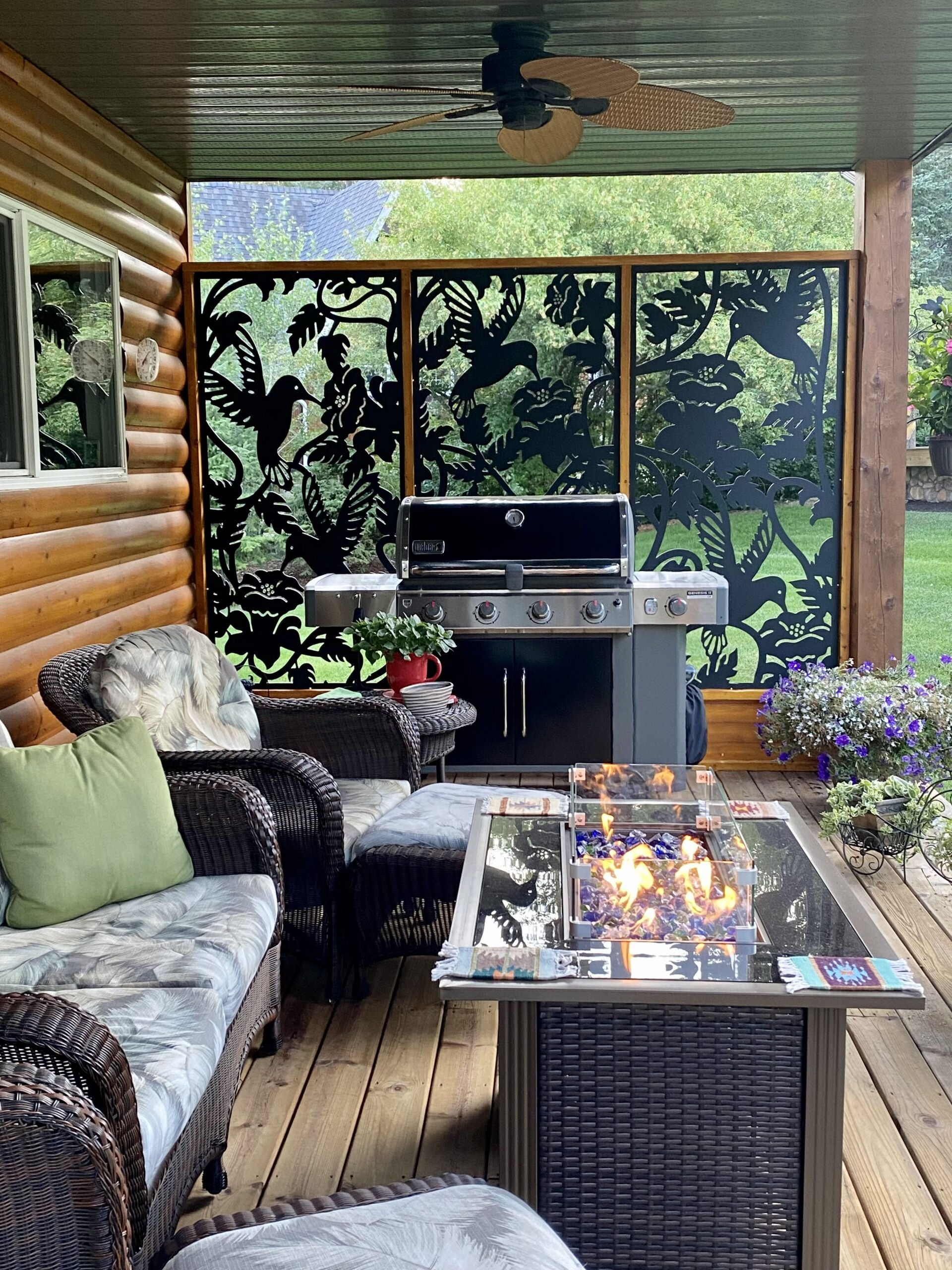
Architectural metal screen design has become an increasingly popular choice for architects and designers in Toronto and Quebec. These screens offer a versatile and durable solution for creating functional and stylish spaces. They can be used in various applications, from commercial buildings to residential complexes, and are particularly well-suited to the urban environments of these vibrant cities.
Applications in Toronto
In Toronto, architectural metal screens are used in a variety of ways. They can be installed as partitions to divide large open spaces, creating separate areas for different functions. This is particularly useful in commercial buildings, where flexibility and adaptability are essential.
Metal screens can also be used as privacy screens, providing a level of privacy while allowing for visual connectivity. This is especially important in urban areas where privacy can be a concern. Additionally, metal screens can be used to create outdoor living spaces, such as balconies and patios, by providing a barrier against wind and noise.
Applications in Quebec
In Quebec, the use of architectural metal screens is also on the rise. The province’s commitment to preserving its cultural heritage while embracing modern architecture makes metal screens an attractive option. They can be customized to complement traditional Quebec architecture while incorporating contemporary design elements.
Moreover, metal screens are used in Quebec for their functional benefits. They can be installed in industrial buildings to create secure and efficient workspaces. Additionally, they are used in commercial buildings to create visually appealing and functional environments.
Aesthetic Appeal
One of the main reasons for the popularity of architectural metal screens in Toronto and Quebec is their aesthetic appeal. Metal screens offer a sleek and modern look that can complement a variety of architectural styles. They can be customized with different finishes, colors, and patterns to match the design of the building.
Sustainability
In addition to their aesthetic and functional benefits, architectural metal screens are also considered a sustainable choice. Many manufacturers use recycled materials in the production process, reducing the environmental impact. Furthermore, the durability of these screens means less frequent replacements, contributing to a more sustainable built environment.
Conclusion
Architectural metal screen design has proven to be a valuable asset in the creation of functional and stylish spaces in Toronto and Quebec. Their versatility, durability, and aesthetic appeal make them a preferred choice for architects and designers in these vibrant cities. As the demand for innovative and sustainable building solutions continues to grow, architectural metal screens are likely to play an even more significant role in shaping the urban landscape of Toronto and Quebec.