Introduction
Toronto’s urban landscape is a blend of historic heritage districts, modern high‑rises, and sprawling suburban neighbourhoods. Property owners—whether they manage residential homes, commercial complexes, or public facilities—are constantly looking for ways to enhance security, curb appeal, and sustainability. Laser‑cut aluminum gates have emerged as a popular solution, offering a unique combination of aesthetics, durability, and flexibility that fits the city’s diverse architectural styles and climate conditions.
1. Why Choose Laser‑Cut Aluminum?
| Feature |
Advantage for Toronto Projects |
| Lightweight yet strong |
Aluminum’s high strength‑to‑weight ratio makes handling and installation easier, reducing labour costs and the need for heavy‑duty hinges opening systems. |
| Corrosion resistance |
Toronto experiences humid summers, salty road‑de‑icing in winter, and occasional coastal breezes from Lake Ontario. Aluminum naturally forms a protective oxide layer, preventing rust and extending the gate’s lifespan. |
| Design flexibility |
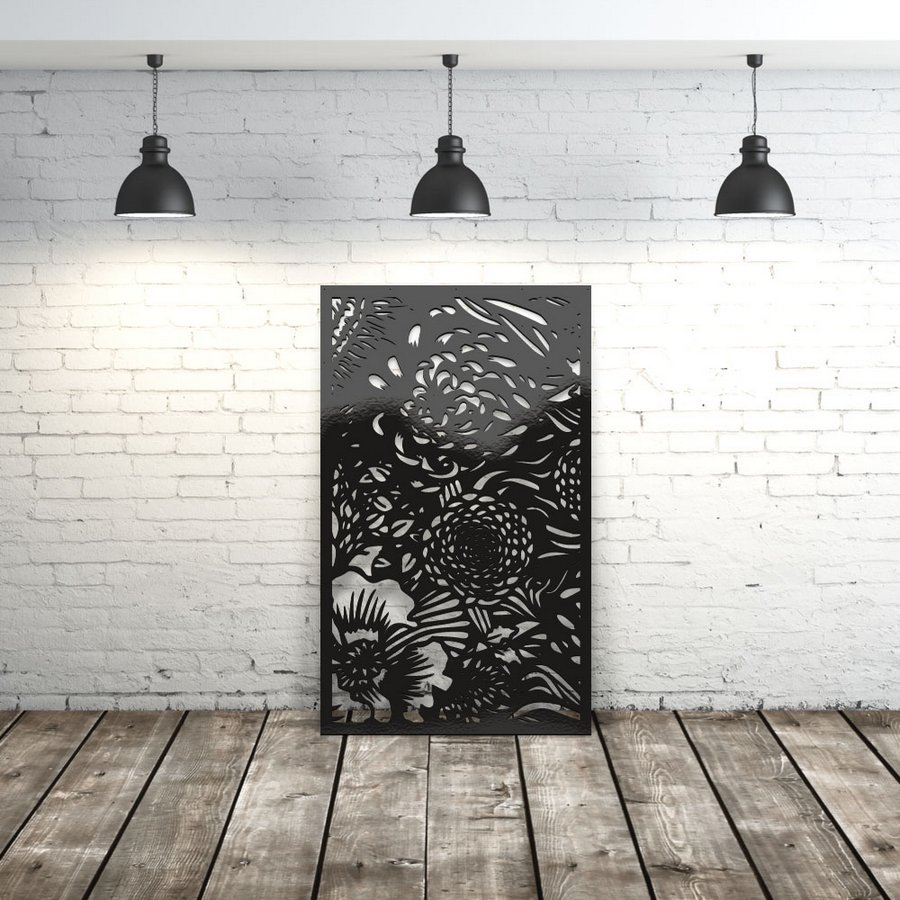
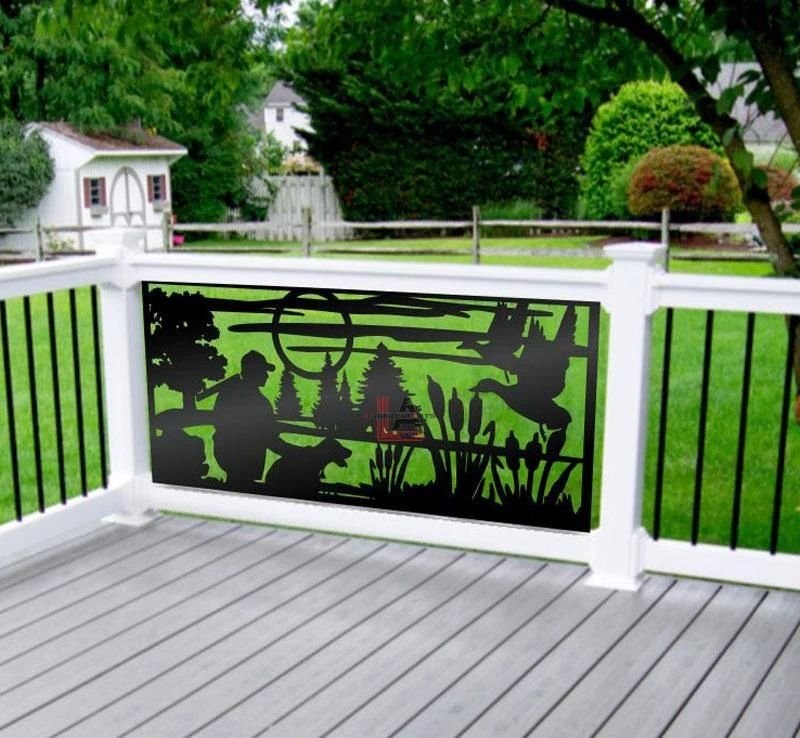
Laser‑cutting can reproduce intricate patterns, logos, or custom artwork with tolerances of ±0.1 mm, allowing architects to echo the city’s Art Deco, Victorian, or contemporary motifs. |
| Low maintenance |
No painting required; a simple wipe‑down with mild soap and water keeps the surface pristine. Powder‑coated finishes add colour stability and UV protection. |
| Sustainability |
Aluminum is 100 % recyclable. Using recycled aluminium reduces embodied energy by up to 95 % compared with virgin material, aligning with Toronto’s Green Standard and LEED goals. |
| Cost‑effectiveness |
While the upfront material cost can be higher than steel, the reduced installation time, lower maintenance, and longer service life often result in a lower total cost of ownership. |
2. Design Possibilities Tailored to Toronto’s Architecture
- Heritage‑Inspired Motifs
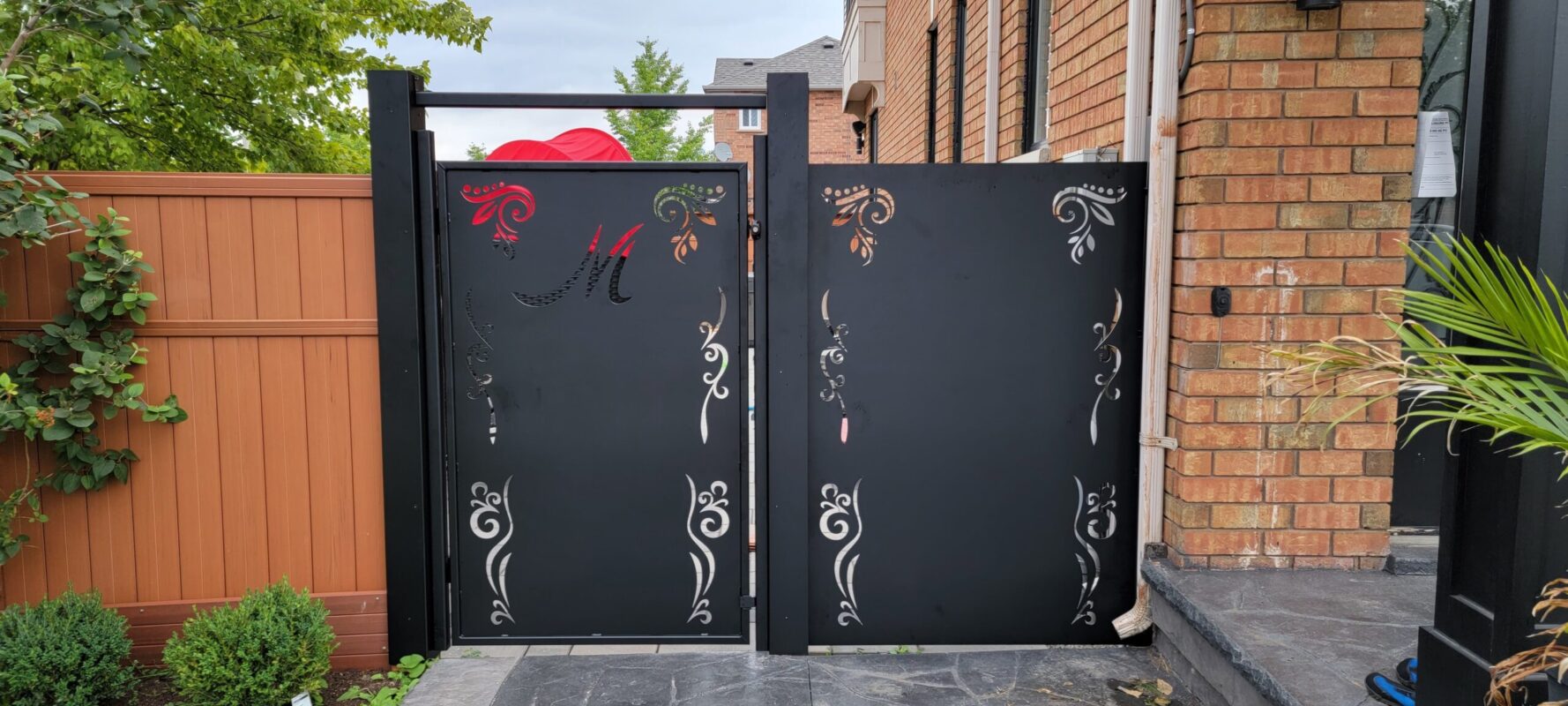
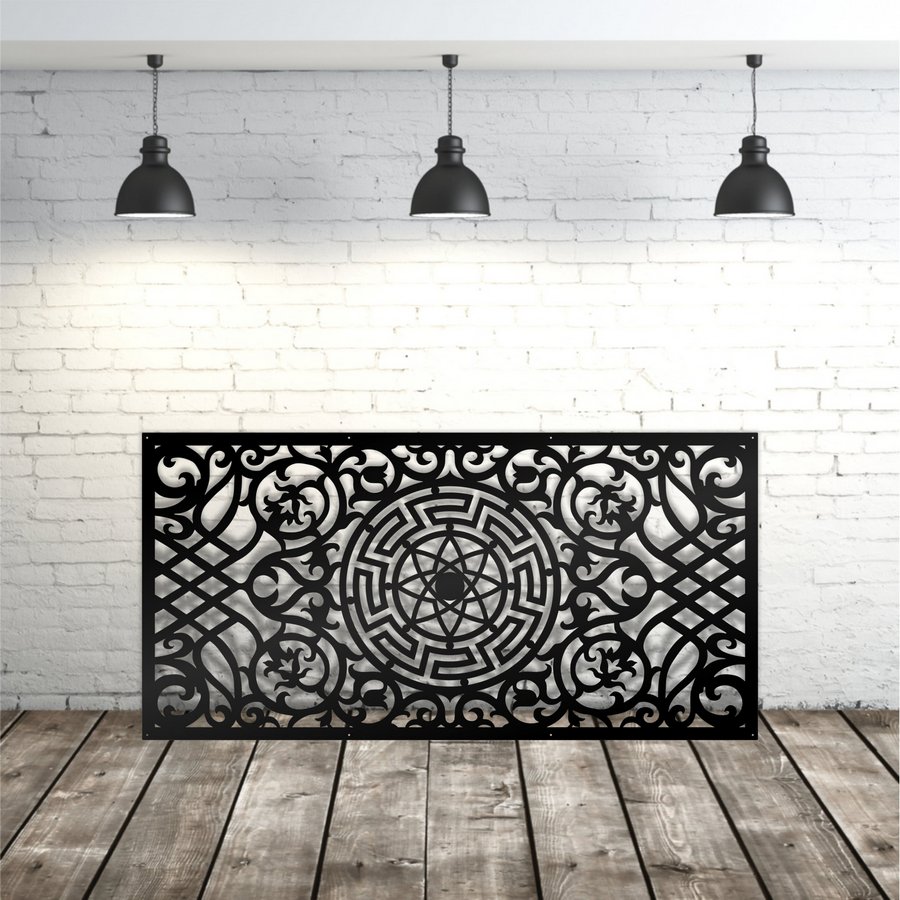
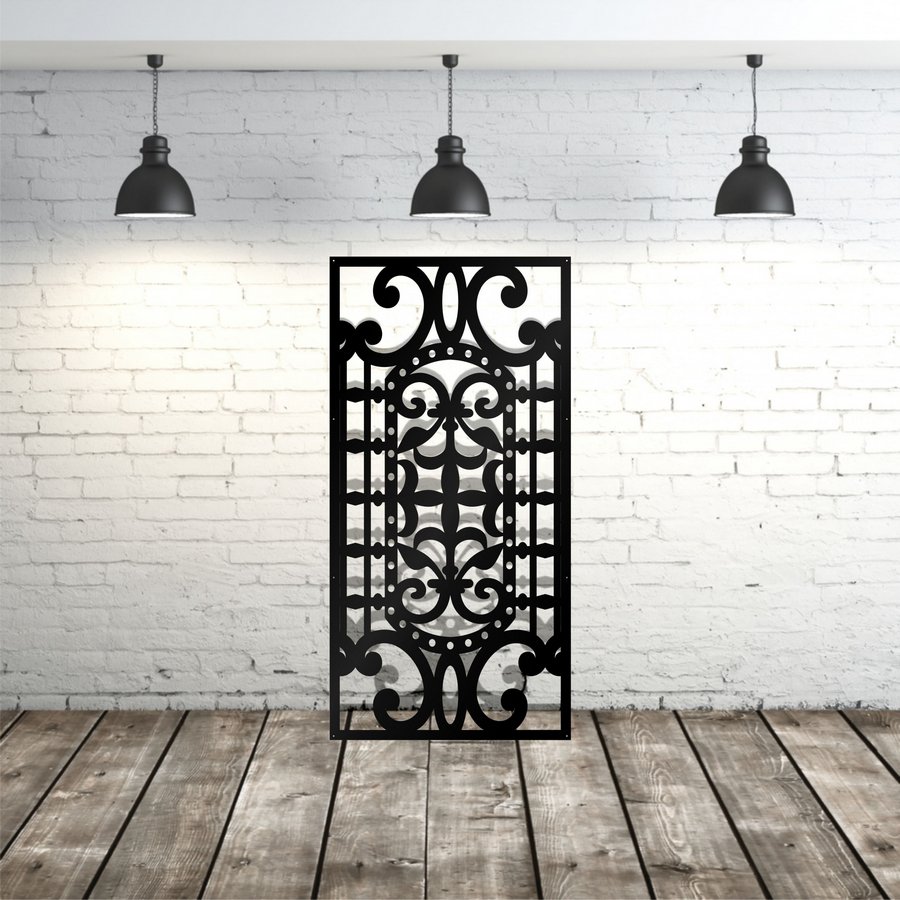
- Victorian scrollwork: Recreate ornate ironwork patterns without the weight and corrosion issues of traditional wrought iron.
- Gothic arches: Laser‑cut panels can incorporate pointed arches that echo the city’s historic churches and municipal buildings.
- Modern Minimalism
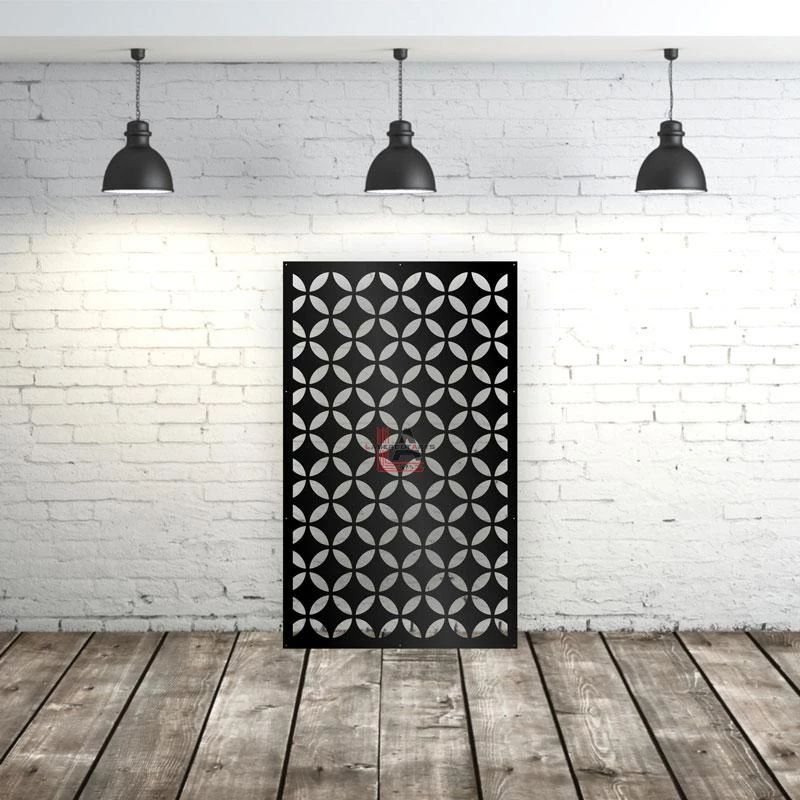
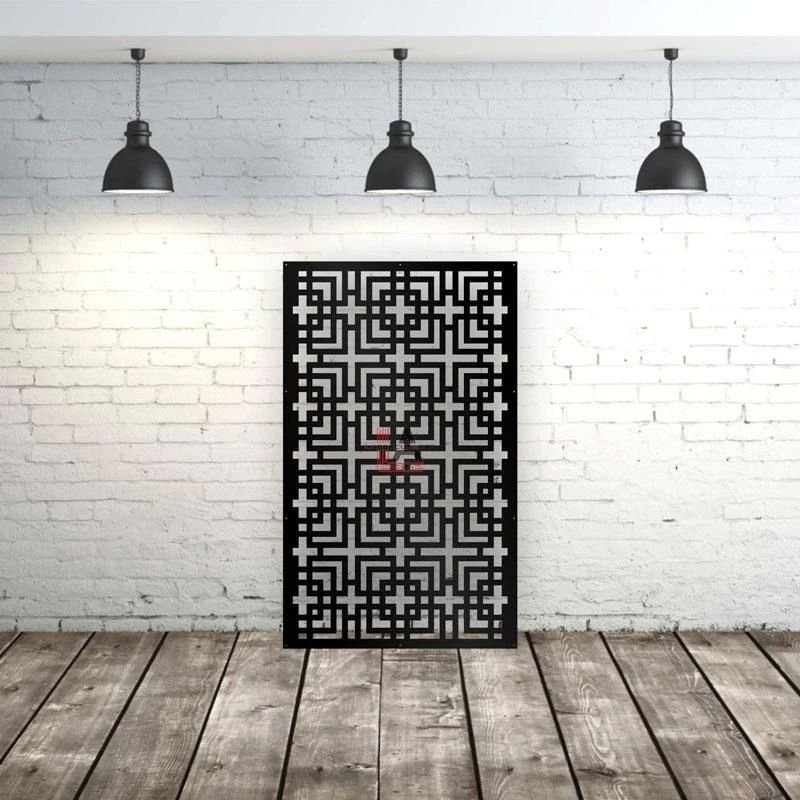
- Geometric lattices: Clean, angular designs complement the glass‑facade towers of the Financial District.
- Perforated panels: Provide privacy while allowing airflow—ideal for condo balconies facing busy streets.
- Cultural & Community Branding
- Toronto skyline silhouettes: Use the iconic CN Tower or the Rogers Centre as a subtle backdrop.
- Multilingual signage: Laser‑etched lettering in English, French, and Indigenous languages for public facilities.
- Functional Enhancements
- Integrated lighting: Channels can be cut for LED strips, creating illuminated gates that improve safety after dark.
- Smart‑gate compatibility: Cutouts for RFID readers, keypad pads, or intercoms can be incorporated during the design phase.
3. Installation Strategies for Different Settings
3.1 Residential Front Yards & Driveways
| Step |
Key Considerations |
| Site Survey |
Verify property line setbacks, underground utilities, and any heritage district restrictions. |
| Foundation |
Concrete footings (minimum 12 in. deep) anchored with stainless‑steel brackets to prevent galvanic corrosion. |
| Hinge & Motor Selection |
Use heavy‑duty stainless steel hinges; for automated gates, choose a low‑voltage, weather‑sealed motor rated for up to 300 kg. |
| Alignment & Tolerances |
Laser‑cut panels should be installed with a tolerance of ≤2 mm to avoid binding. Use shims for fine adjustments. |
| Finishing Touches |
Apply a clear, UV‑stable sealant if the gate is powder‑coated in a light colour to prevent fading. |
3.2 Commercial & Institutional Entrances
| Step |
Key Considerations |
| Security Integration |
Coordinate with access‑control systems (card readers, biometric scanners). Provide pre‑drilled mounting plates for hardware. |
| Fire & Safety Codes |
Ensure the gate’s swing or slide mechanism complies with Ontario Building Code Section 3.1.5 (egress requirements). |
| Load‑Bearing Capacity |
For high‑traffic gates, reinforce the frame with extruded aluminum profiles (e.g., 2 × 2 in. T‑slots). |
| Weatherproof Seals |
Install rubber gaskets along the perimeter to keep out snow, ice, and wind‑driven debris. |
| Maintenance Plan |
Schedule quarterly inspections of hinges, motors, and electrical connections; replace worn‑out bearings before failure. |
3.3 Public Parks & Community Spaces
| Step |
Key Considerations |
| Vandal‑Resistant Design |
Use thicker gauge (≥3 mm) aluminum and tamper‑proof fasteners. |
| ADA Compliance |
Provide a minimum clear opening of 32 in. for wheelchair access; include tactile signage. |
| Environmental Integration |
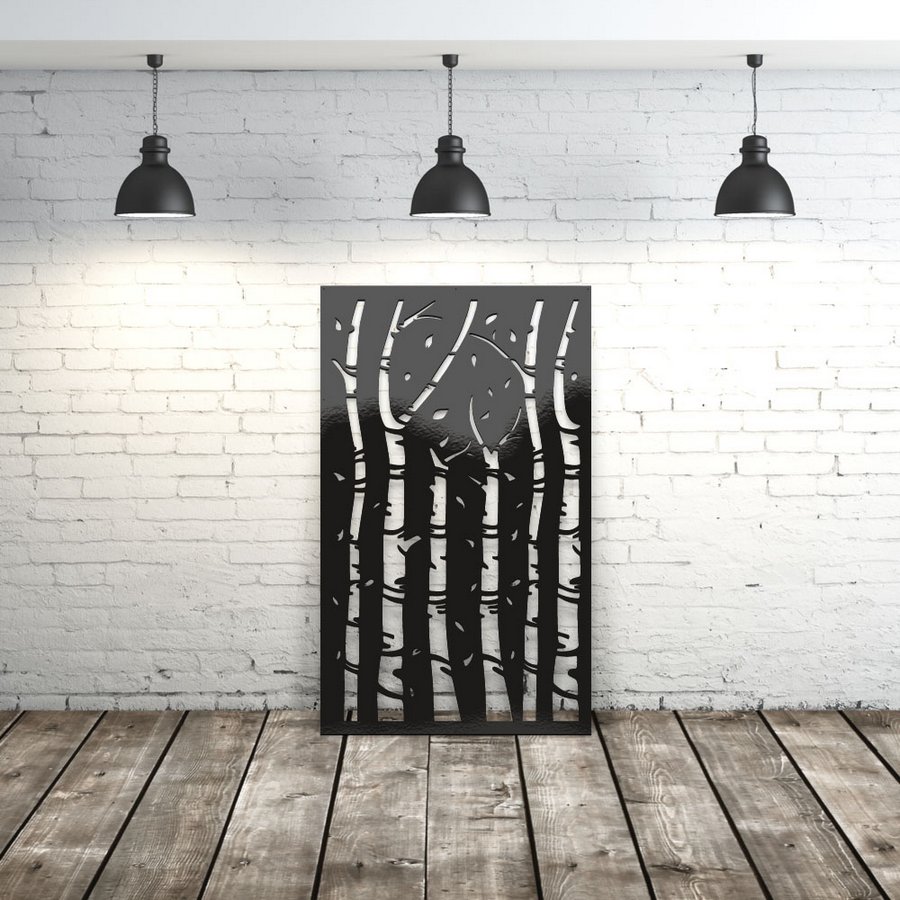
Pair gates with native landscaping; use perforated patterns that allow small wildlife to pass through. |
| Community Involvement |
Offer workshops where local artists can design a laser‑cut panel, fostering a sense of ownership. |
4. Navigating Toronto Regulations & Permits
- Building Permit – Any gate taller than 1.2 m (4 ft) or that alters the façade of a heritage property requires a building permit from the City of Toronto’s Building Division.
- Heritage Overlay – For properties within a Heritage Conservation District (HCD), submit design drawings to the Heritage Preservation Services for review.
- Zoning Setbacks – Residential zones typically require a minimum 0.9 m (3 ft) setback from the property line; commercial zones may have different requirements.
- Electrical Permit – Automated gates with motorized components need an electrical permit and must be installed by a licensed electrician.
- Accessibility Standards – Public‑use gates must meet the Ontario Accessibility Standards (OAS) for barrier‑free design.
Tip: Work with a local architect or design‑build firm familiar with Toronto’s permitting process to streamline approvals and avoid costly revisions.
5. Maintenance Best Practices
| Frequency |
Action |
| Monthly |
Inspect hinges, rollers, and motor mounts for wear; lubricate moving parts with a silicone‑based grease. |
| Quarterly |
Clean the surface with a soft cloth and mild detergent; check for dents or scratches that could compromise the protective coating. |
| Annually |
Reapply a clear UV‑resistant sealant if the gate is powder‑coated in a light colour; test all electronic components (sensors, remote controls). |
| Every 5 years |
Conduct a professional corrosion inspection; consider re‑powder‑coating if the finish shows signs of fading or chalking. |
6. Case Studies: Successful Toronto Installations
6.1 The Distillery District Boutique Hotel
- Goal: Blend modern security with historic charm.
- Solution: Laser‑cut aluminum panels featuring a stylized Victorian filigree pattern, powder‑coated matte black. Integrated RFID readers and low‑profile LED strips.
- Result: 30 % reduction in gate‑related maintenance costs after two years; praised by guests for aesthetic appeal.
- Goal: Provide a durable, vandal‑resistant entrance for a high‑traffic recreation facility.
- Solution: 4 mm gauge aluminum gate with a geometric lattice design, stainless‑steel hinges, and a solar‑powered automatic opener.
- Result: Zero corrosion after three harsh winters; energy‑neutral operation thanks to solar panels.
6.3 Private Residence – Riverdale
- Goal: Create a statement front entrance that respects the neighbourhood’s heritage streetscape.
- Solution: Custom laser‑cut gate echoing the original wrought‑iron fence, finished in a bronze powder coat. Integrated smart‑home access via a mobile app.
- Result: Increased property value by an estimated 5 %; homeowner reports high satisfaction with low upkeep.
7. Getting Started: A Step‑by‑Step Checklist
- Define Objectives – Security, aesthetics, branding, sustainability?
- Choose a Designer/Fabricator – Look for firms with CNC laser‑cutting capabilities and a portfolio of Toronto projects.
- Develop Concept Drawings – Include dimensions, pattern files (DXF/DWG), and finish specifications.
- Secure Permits – Submit drawings to the City’s Building Division and, if needed, Heritage Services.
- Select Hardware – Hinges, motors, locks, and lighting that meet climate and usage demands.
- Fabrication – Confirm material grade (e.g., 6063‑T5 aluminum) and coating (powder‑coat, anodized).
- Installation – Follow the site‑specific strategy outlined above; ensure all electrical work is performed by a licensed electrician.
- Testing & Commissioning – Verify smooth operation, safety sensors, and integration with any access‑control systems.
- Maintenance Plan – Schedule regular inspections and keep a record of service dates.
Conclusion
Laser‑cut aluminum gates have become a versatile, high‑performance choice for Toronto’s residential, commercial, and public spaces. Their lightweight strength, corrosion resistance, and limitless design possibilities make them well‑suited to the city’s varied architectural heritage and demanding climate. By following local regulatory guidelines, selecting experienced fabricators, and implementing a proactive maintenance regimen, property owners can enjoy a secure, visually striking entrance that stands the test of time—and contributes to Toronto’s sustainability goals.
Leave a Reply