Laser‑Cut Fence Toppers in Los Angeles, California: Design, Benefits, and Practical Guidance
1. Introduction
Los Angeles is a city of contrasts—gleaming modern high‑rises sit beside historic Craftsman bungalows, sprawling suburban neighborhoods share streets with vibrant commercial corridors, and the Mediterranean‑type climate swings from cool coastal breezes to scorching inland heat. In this environment, property owners are constantly looking for ways to enhance curb appeal, improve security, and comply with local codes without sacrificing the city’s iconic aesthetic.
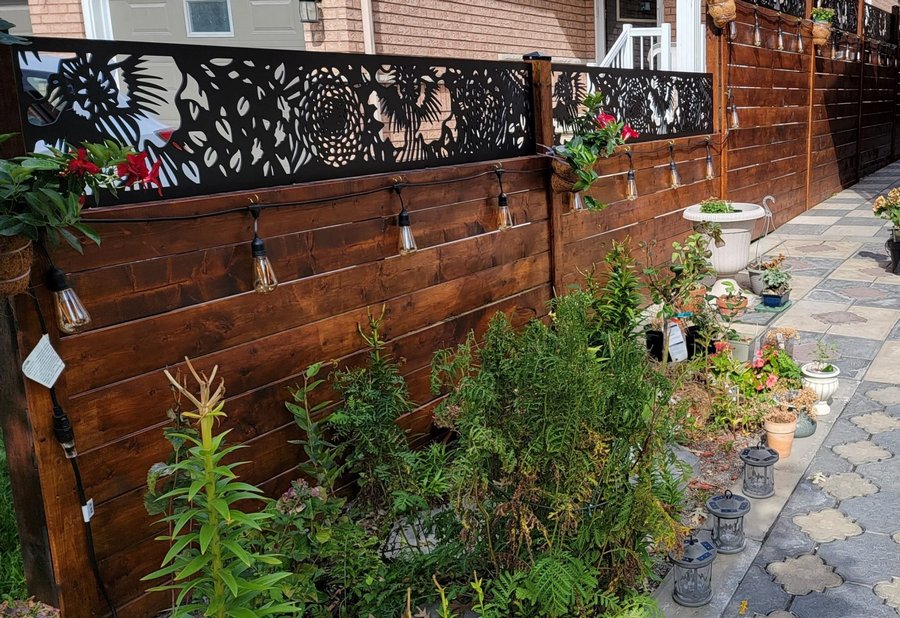
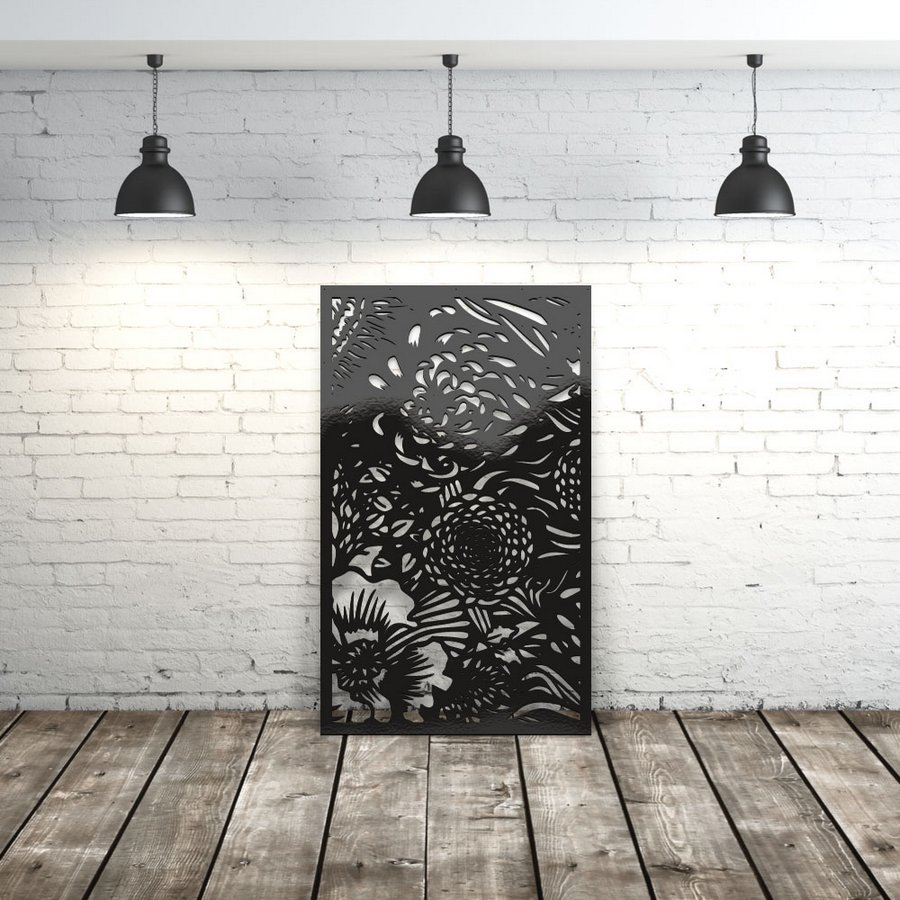
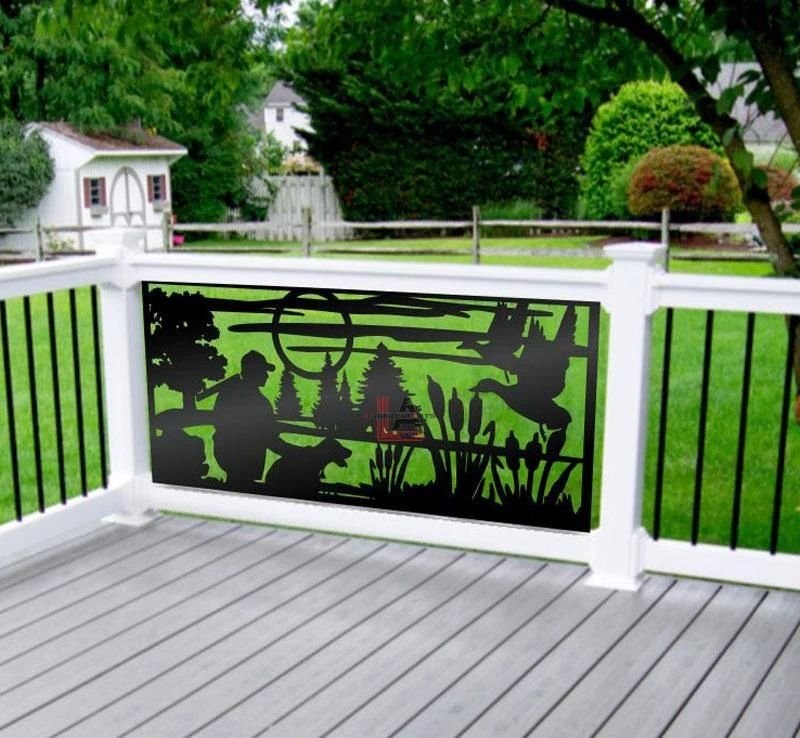
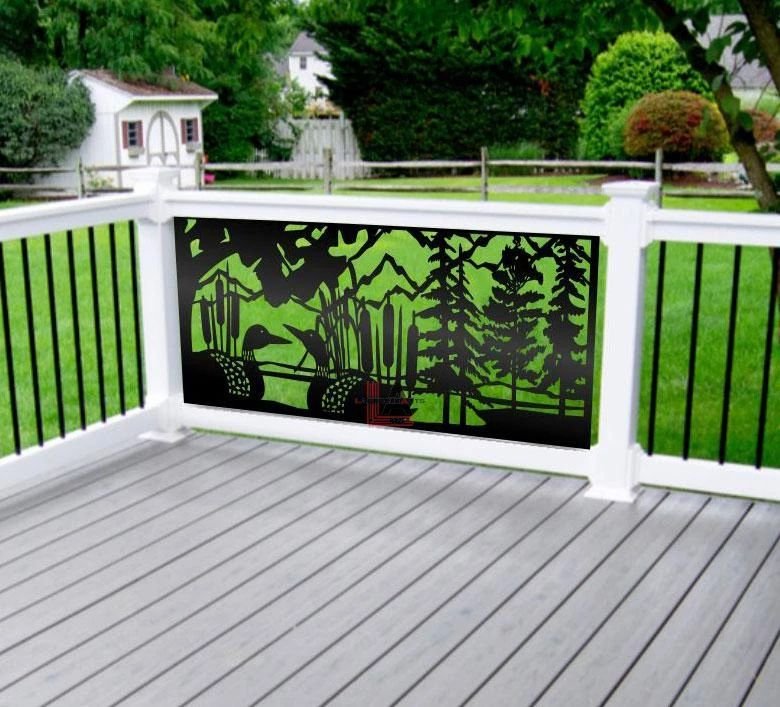
Laser‑cut fence toppers—decorative metal panels that sit atop a traditional fence—have emerged as a versatile solution. By marrying precision CNC laser technology with lightweight, corrosion‑resistant metals (primarily aluminum and stainless steel), designers can create intricate patterns, branding elements, or functional features that elevate a fence from a simple boundary to a statement piece.
2. Why Choose Laser‑Cut Fence Toppers for LA?
| Feature | Advantage for Los Angeles |
|---|---|
| High design precision | Laser cutters achieve tolerances of ±0.1 mm, allowing architects to reproduce complex motifs (Art Deco, Spanish Colonial, modern geometric) that echo LA’s diverse architectural heritage. |
| Lightweight yet strong | Aluminum toppers add minimal dead load, reducing the need for reinforced fence posts and simplifying installation on existing wood, chain‑link, or vinyl fences. |
| Corrosion resistance | The city’s salty sea air (especially near the coast) and occasional smog‑induced acidity can accelerate rust. Anodized aluminum or powder‑coated stainless steel forms a protective barrier that lasts 20‑30 years with minimal upkeep. |
| UV stability | Powder‑coat finishes formulated for UV exposure retain colour and gloss despite LA’s intense sunshine, eliminating the frequent repaint cycles required for wood or iron. |
| Sustainability | Both aluminum and stainless steel are 100 % recyclable. Using recycled aluminum reduces embodied energy by up to 95 % compared with virgin material, aligning with California’s Green Building Standards Code (CALGreen). |
| Low maintenance | A simple rinse with water and a non‑abrasive cleaner keeps the surface pristine; no periodic priming or painting is needed. |
| Cost‑effectiveness | While the upfront material cost exceeds that of plain wood or vinyl, the reduced labor for installation, lower long‑term maintenance, and increased property value often result in a lower total cost of ownership. |
3. Design Possibilities Tailored to Los Angeles
3.1 Architectural Styles
| Style | Typical Motif | How Laser‑Cut Toppers Complement It |
|---|---|---|
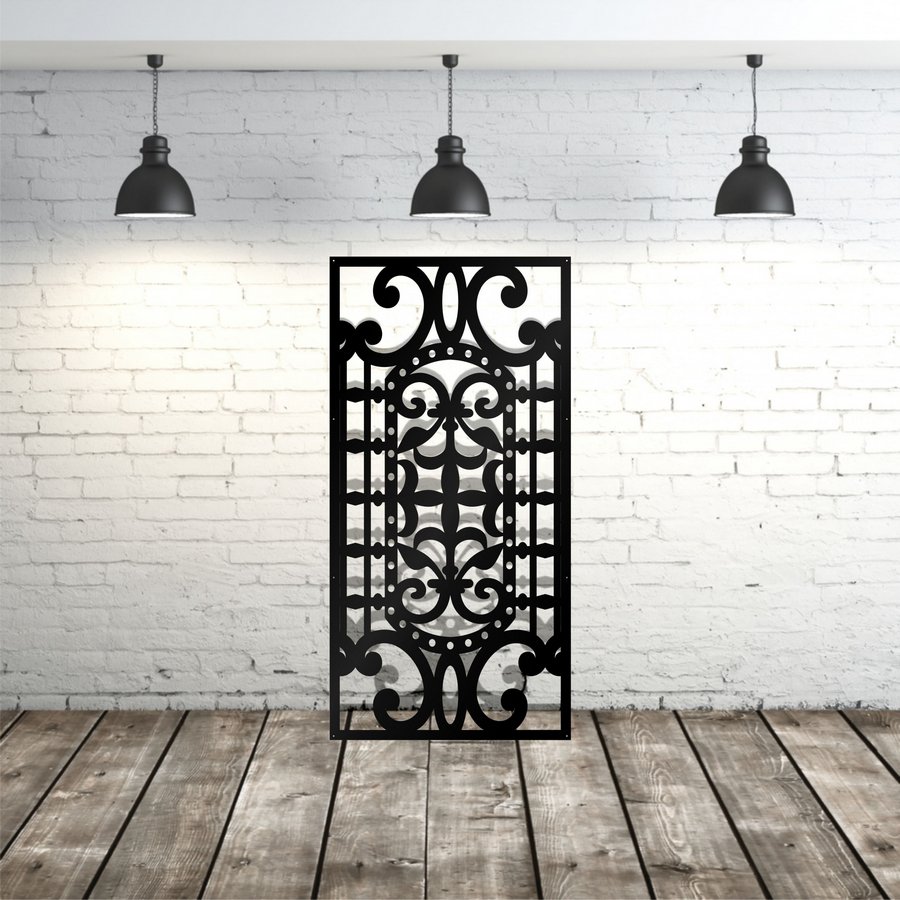
| Spanish Colonial / Mediterranean | Wrought‑iron scrolls, rosette patterns, tile‑inspired lattice | Use perforated aluminum with a warm bronze finish to echo traditional wrought‑iron while staying lightweight. |
| Mid‑Century Modern | Clean lines, sunburst, atomic symbols | Minimalist rectangular or triangular cut‑outs, powder‑coated in matte black or pastel hues. |
| Art Deco | Zig‑zags, chevrons, stylized sunbursts | Highly detailed laser‑etched panels in brushed stainless steel for a reflective, glamorous effect. |
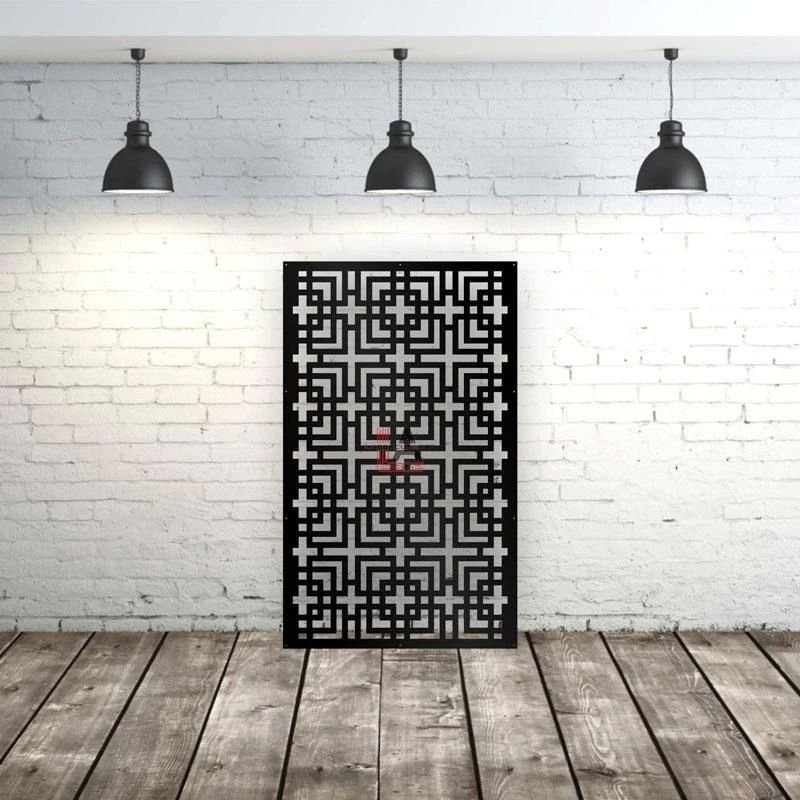
| Contemporary / Industrial | Geometric grids, raw metal look | Large‑scale hexagonal or diamond perforations, left untreated for a raw steel aesthetic or powder‑coated in gunmetal. |
| Eco‑Friendly / Coastal | Organic waveforms, leaf motifs | 3‑mm thick aluminum with a brushed finish, incorporating wave‑like cut‑outs that allow sea breezes to pass through. |
3.2 Functional Enhancements
| Feature | Benefit |
|---|---|
| Integrated LED lighting | Channels cut into the topper accommodate low‑voltage LED strips, providing night‑time illumination and enhancing safety. |
| Privacy screens | Dense perforation patterns (e.g., 2 mm spacing) create a semi‑opaque barrier while still allowing airflow—ideal for backyard fences in densely populated neighborhoods. |
| Smart‑home compatibility | Pre‑drilled mounting points for motion sensors, cameras, or access‑control panels can be incorporated during the design phase. |
| Branding & signage | Custom laser‑etched logos or address numbers can be added directly to the metal, eliminating the need for separate signage. |
4. Climate & Environmental Considerations
- Coastal Salt Air – In neighborhoods like Santa Monica, Venice, or Malibu, the salt-laden breeze accelerates corrosion on ferrous metals. Aluminum with a marine‑grade anodized finish or 316‑grade stainless steel is recommended.
- Heat Expansion – LA’s summer temperatures can exceed 100 °F (38 °C). Design tolerances should allow for thermal expansion (≈0.000024 in/in/°F for aluminum). Use slotted mounting brackets or floating attachment systems to prevent buckling.
- Seismic Activity – While fence toppers are non‑structural, they add a small amount of mass. Ensure that post‑to‑post connections are flexible enough to accommodate minor ground movement without cracking the underlying fence.
- Fire‑Resistance – Aluminum is non‑combustible, making it a safe choice for properties in the foothills where wildfire risk is higher.
5. Regulatory Landscape in Los Angeles
| Regulation | What It Means for Fence Toppers |
|---|---|
| Los Angeles Municipal Code (LAMC) § 12.02 – Fence Height | Standard residential fences may be up to 6 ft tall; commercial fences up to 8 ft. Toppers must not increase the overall height beyond the permitted limit unless a variance is obtained. |
| Historic Preservation Overlay Zones (HPOZ) | In neighborhoods such as Angelino Heights or the West Adams Historic District, any decorative element visible from the street must be reviewed by the Los Angeles Office of Historic Resources. Submitting detailed CAD drawings and material samples is required. |
| California Building Code (CBC) – Wind Load | For fences in wind‑exposed zones (e.g., near the coast), the CBC requires that decorative attachments withstand wind pressures of up to 30 psf. Choose a minimum gauge of 2.5 mm for aluminum and use stainless‑steel fasteners. |
| CALGreen – Sustainable Materials | Projects seeking CALGreen certification can earn points by using recycled aluminum and low‑VOC powder‑coat finishes. Provide material certificates to the architect or builder. |
| Electrical Permit | If the topper incorporates lighting or smart‑home devices, a permit from the Los Angeles Department of Building and Safety (LADBS) is required, and installation must be performed by a licensed electrician. |
Tip: Work with a local design‑build firm familiar with LADBS and HPOZ processes to streamline approvals and avoid costly revisions.
6. Installation Best Practices
- Site Survey & Structural Check
- Verify that existing fence posts are plumb, in good condition, and capable of supporting the additional weight (typically 2–4 lb/ft for aluminum).
- In high‑wind zones, reinforce posts with concrete footings or metal brackets.
- Preparation of the Base Fence
- Clean the top rail of any debris, rust, or paint chips.
- Apply a thin coat of marine‑grade primer if the fence is wood or metal to improve adhesion of the mounting brackets.
- Mounting System
- Use stainless‑steel L‑brackets that attach to the fence’s top rail and provide a recessed channel for the topper.
- For longer runs, install intermediate support brackets every 6–8 ft to prevent sagging.
- Thermal Expansion Accommodation
- Incorporate slotted holes in the brackets or use spring‑loaded fasteners that allow the topper to expand and contract without warping.
- Electrical Integration (if applicable)
- Run low‑voltage wiring through conduit behind the fence posts.
- Connect LED strips to a weather‑sealed driver mounted in a waterproof junction box.
- Test all connections before sealing.
- Finishing Touches
- Seal any exposed fastener heads with a clear silicone sealant to prevent water ingress.
- Apply a protective UV‑clear coat over any custom‑painted areas for added longevity.
- Final Inspection
- Verify that the overall height complies with LAMC limits.
- Ensure that the topper is securely fastened, level, and free of sharp edges.
7. Case Studies: Successful LA Installations
7.1 Hollywood Hills Luxury Residence
- Goal: Add a dramatic, night‑time visual cue while preserving the property’s modernist aesthetic.
- Solution: 2.5 mm brushed aluminum toppers with a custom sunburst pattern, integrated warm‑white LED strips along the inner edge.
- Outcome: Property value increased by an estimated 7 %; homeowner reports a 30 % reduction in nighttime security incidents due to improved illumination.
7.2 Downtown LA Mixed‑Use Development (Commercial)
- Goal: Provide a cohesive branding element across the building’s perimeter fence.
- Solution: 3 mm stainless‑steel toppers laser‑etched with the company’s logo and a geometric lattice, powder‑coated in matte charcoal.
- Outcome: The façade received a LEED‑EBOM credit for using recycled metal; maintenance crew reduced fence‑related upkeep time by 40 % compared with previous ornamental ironwork.
7.3 Santa Monica Community Park
- Goal: Install a vandal‑resistant, child‑friendly fence topper that also offers privacy.
- Solution: 2 mm aluminum panels with a dense perforated wave pattern, powder‑coated in a UV‑stable teal. No lighting required.
- Outcome: The park’s perimeter now meets ADA requirements for a clear 36‑in. opening, and the community praised the “modern beach‑vibe” aesthetic.
8. Sustainability & Environmental Impact
| Aspect | How Laser‑Cut Toppers Contribute |
|---|---|
| Recycled Content | Most aluminum used is ≥ 50 % post‑consumer recycled; stainless steel options can be up to 80 % recycled. |
| Reduced Material Waste | CNC laser cutting optimizes nesting, minimizing scrap to < 5 % of the sheet. |
| Longevity | With proper finish, toppers last 25‑30 years, reducing the frequency of replacement and associated landfill waste. |
| Energy Efficiency | When combined with LED lighting, the system consumes < 5 W per linear foot, far less than traditional flood‑lighting. |
| CALGreen Credits | Projects can earn Sustainable Materials and Low‑Impact Materials points, aiding overall building certification. |
9. Getting Started: A Quick Checklist
- Define the purpose – aesthetics, privacy, lighting, branding?
- Select material & finish – aluminum (anodized/powder‑coat) or stainless steel (brushed/polished).
- Choose a pattern – work with a designer to create a CAD file (DXF/DWG).
- Verify code compliance – height limits, HPOZ restrictions, wind‑load requirements.
- Obtain permits – LADBS building permit (if height or electrical work is involved).
- Get quotes – request pricing for material, CNC cutting, hardware, and installation.
- Schedule fabrication – typical lead time is 2‑4 weeks for moderate‑size runs.
- Plan installation – coordinate with fence contractor and, if needed, a licensed electrician.
- Inspect & certify – final walkthrough with the city inspector (if a permit was required).
- Set up maintenance – quarterly cleaning, annual inspection of fasteners and lighting.
10. Conclusion
Laser‑cut fence toppers are more than decorative add‑ons; they are high‑performance, sustainable design elements that respond directly to Los Angeles’ unique blend of climate, architecture, and regulatory environment. By leveraging precision laser technology, lightweight yet durable metals, and thoughtful integration of lighting or smart‑home features, property owners can:
- Elevate curb appeal while respecting historic districts,
- Boost security and safety through illumination and robust construction,
- Achieve sustainability goals aligned with CALGreen and LEED, and
- Increase property value with a relatively modest investment.
Whether you’re a homeowner in the Hollywood Hills, a developer of a downtown mixed‑use tower, or a municipal planner for a community park, laser‑cut fence toppers offer a flexible, future‑proof solution that fits the dynamic spirit of Los Angeles.
Leave a Reply