Lasercut Backyard Metal Gates in Dallas: A Modern Twist on Classic Security
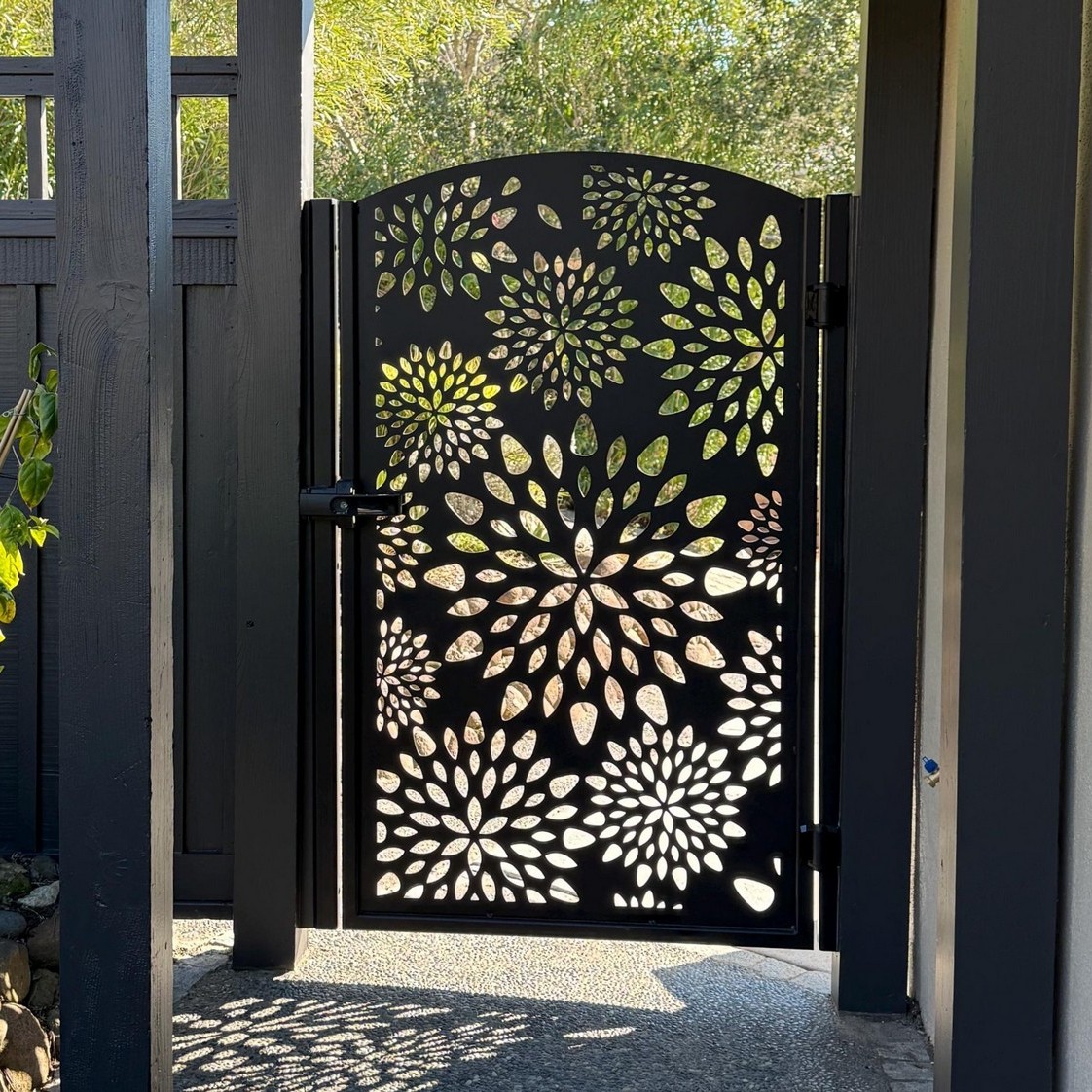
When it comes to protecting and beautifying a Dallas home, the backyard gate is often the first line of defense and the first point of visual impact. In recent years, lasercut metal gates have emerged as a popular choice for homeowners who want a blend of durability, style, and customization. This article explores why lasercut metal gates are a smart investment for Dallas residents, what makes them unique, and how to choose the right design for your property.
1. What Are Lasercut Metal Gates?
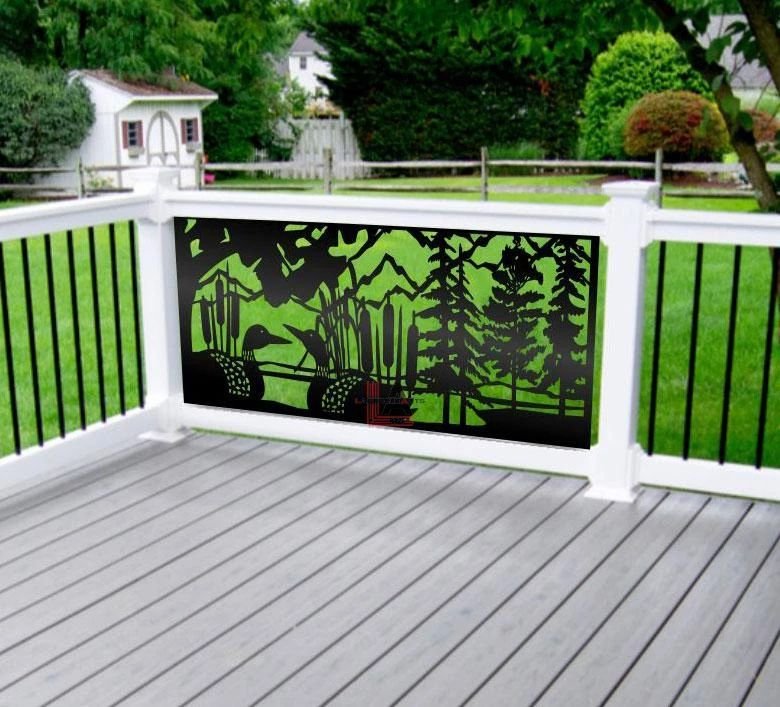
Lasercut metal gates are crafted from steel, aluminum, or wrought iron that has been precisely cut with a laser. The laser’s high‑temperature beam melts or vaporizes the metal along a pre‑programmed path, allowing for intricate patterns, fine details, and clean edges. Unlike traditional hand‑cut or stamped designs, laser cutting offers:
- Precision: Complex geometries and tight tolerances are achievable.
- Speed: Production times are shorter, especially for large or repetitive patterns.
- Consistency: Every gate produced from the same design file looks identical.
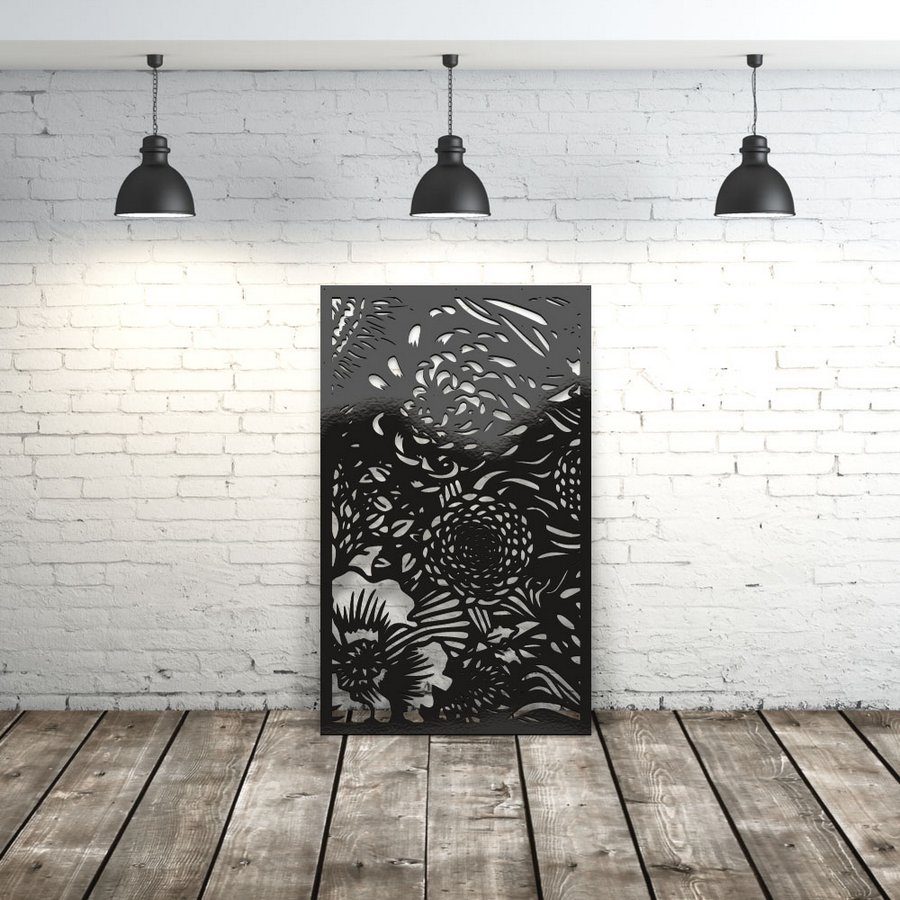
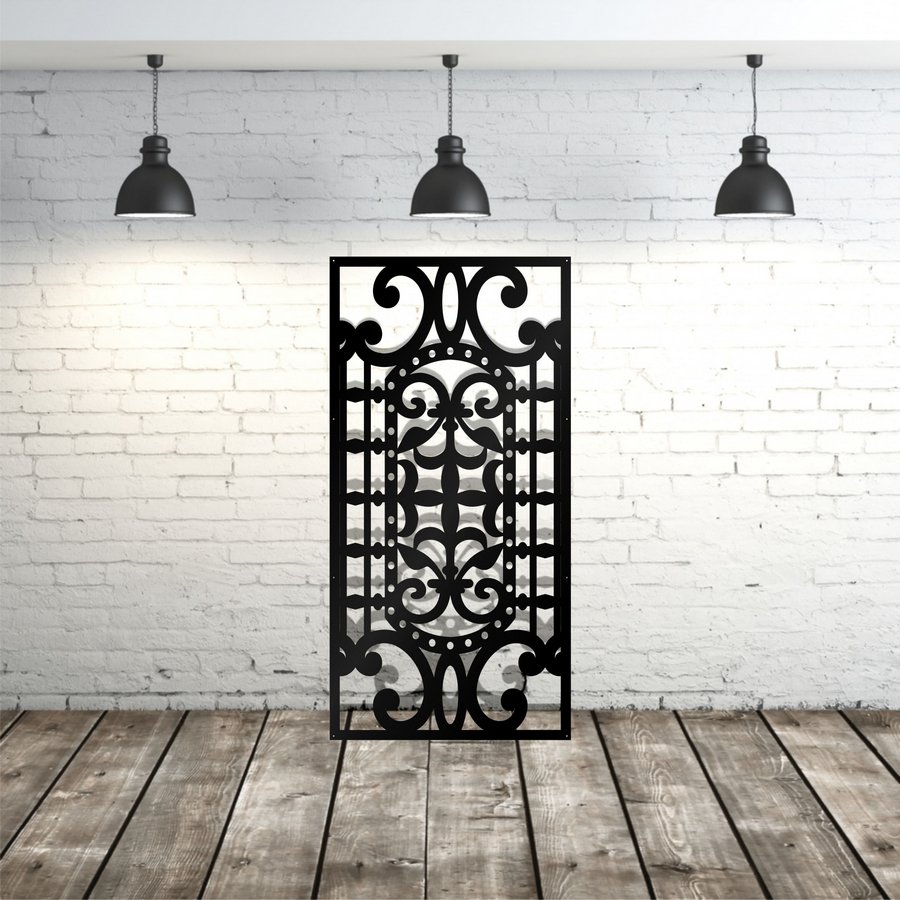
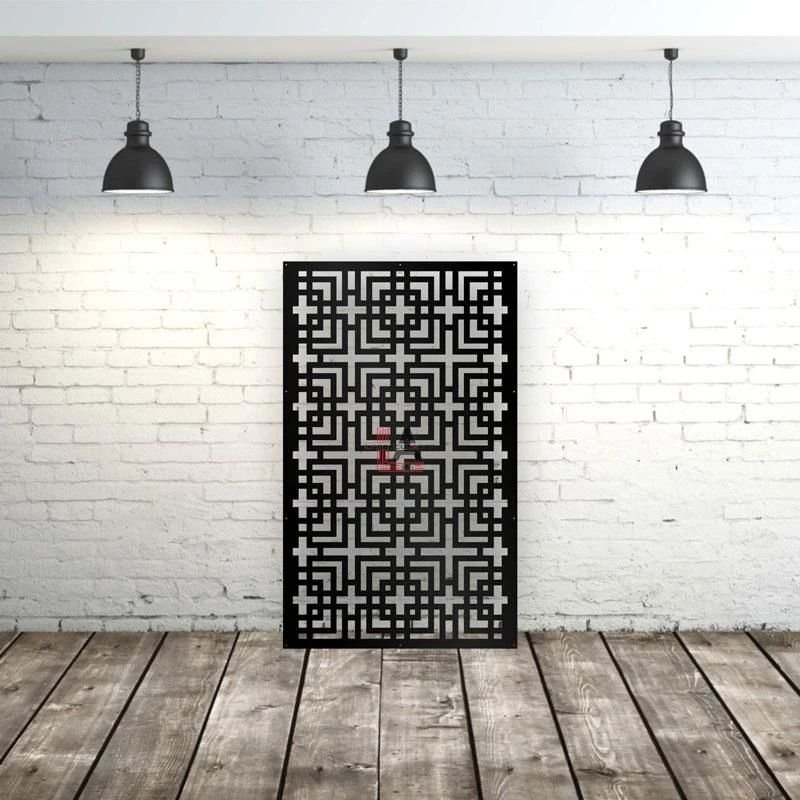
The result is a gate that can feature elaborate scrollwork, geometric motifs, or minimalist lines while maintaining structural integrity.
2. Why Dallas Homeowners Love Lasercut Gates
2.1. Climate‑Resistant Materials
Dallas experiences hot summers, occasional hail, and a mix of humid and dry conditions. Metal gates—especially those made from stainless steel or aluminum—are naturally resistant to rust and corrosion. When paired with a laser‑cut design, the metal’s surface can be treated with protective coatings that keep the gate looking fresh for years.
2.2. Architectural Versatility
Dallas neighborhoods range from historic bungalows to modern lofts and sprawling ranches. Lasercut gates can be tailored to match any architectural style:
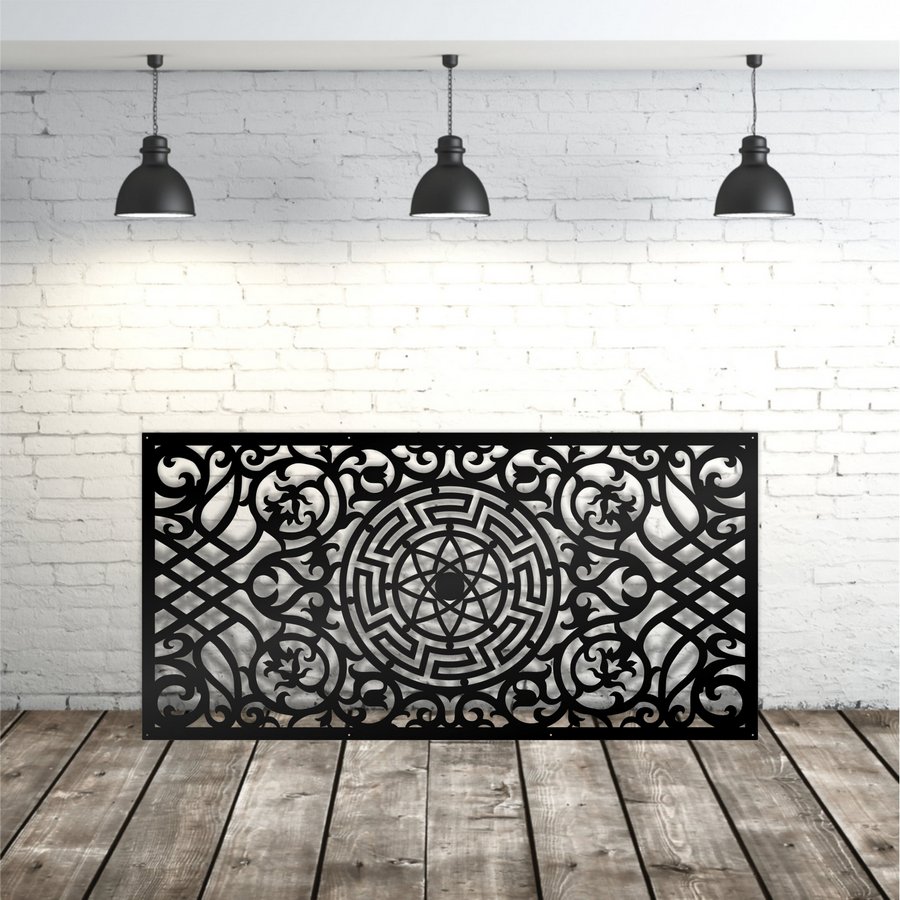
- Traditional: Classic scrollwork or filigree patterns echoing Victorian or Craftsman homes.
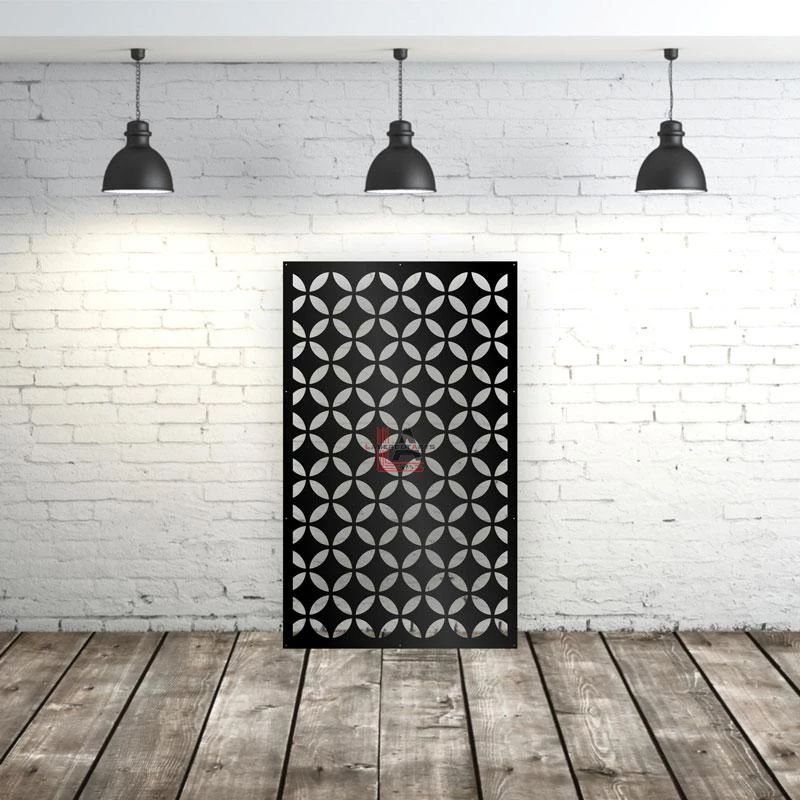
- Contemporary: Clean, geometric lines that complement modern minimalist designs.
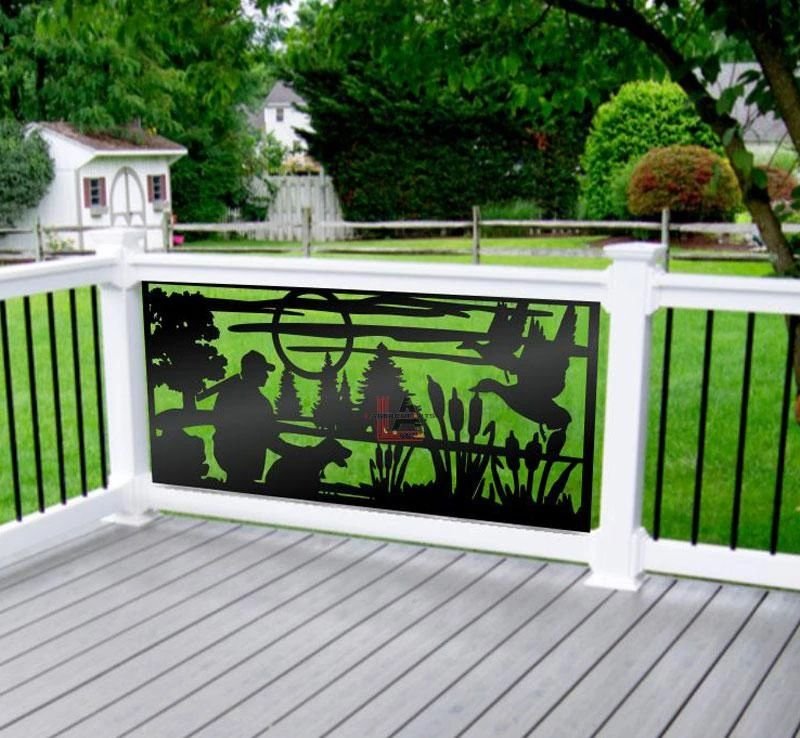
- Eclectic: Custom motifs that reflect personal interests or cultural heritage.
2.3. Enhanced Security
Metal gates are inherently stronger than wooden or vinyl alternatives. Laser‑cut patterns can incorporate thicker sections or integrated locking mechanisms without compromising aesthetics. This combination of beauty and strength makes lasercut gates a formidable deterrent against unwanted entry.
2.4. Low Maintenance
Unlike wood, metal gates do not splinter, rot, or require frequent repainting. A simple annual inspection and a light coat of protective paint or clear sealant are usually sufficient to keep the gate in top condition.
3. Design Elements to Consider
3.1. Pattern Complexity
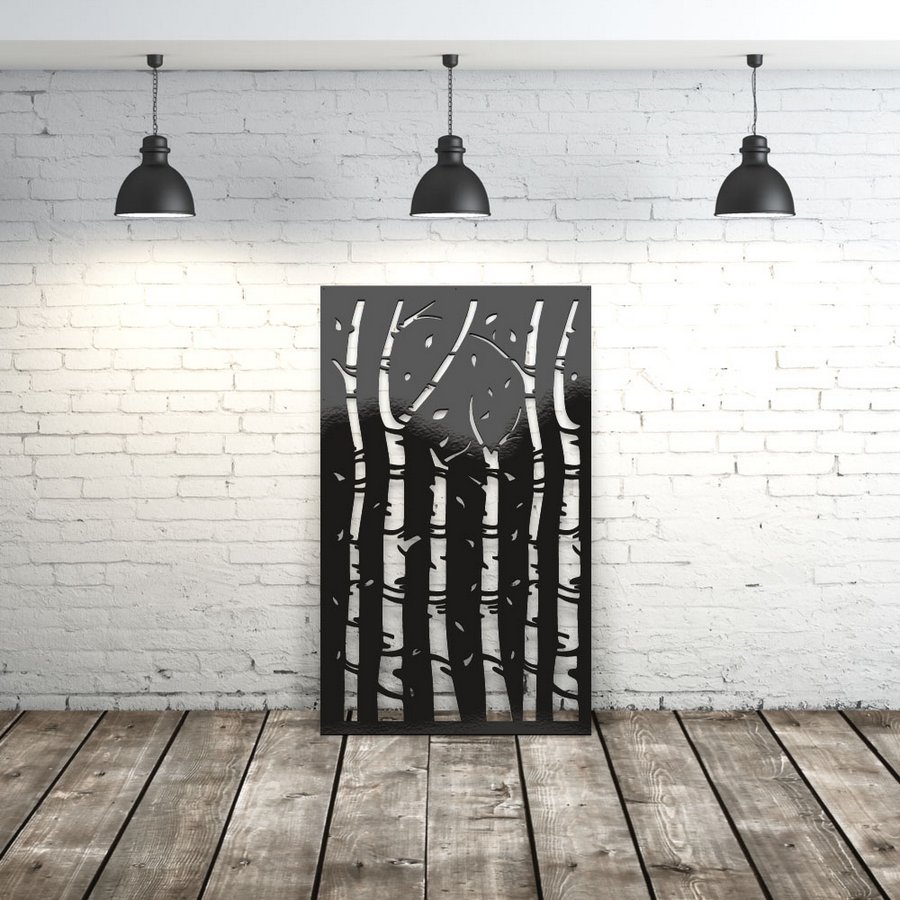
- High‑detail patterns: Ideal for homeowners who enjoy ornate designs. They can be used as a focal point or to create a sense of privacy.
- Minimalist patterns: Perfect for modern homes where clean lines and open sightlines are preferred.
3.2. Color and Finish
- Stainless steel: Offers a sleek, contemporary look with a natural silver finish.
- Aluminum: Lightweight and often available in powder‑coated colors (black, white, or custom hues).
- Wrought iron: Provides a classic, rustic feel, especially when paired with antique patinas.
3.3. Functional Features
- Integrated locks: Some designs incorporate built‑in lock plates or keyhole placements.
- Swing vs. sliding: Depending on yard space, choose a gate that swings outward or slides horizontally.
- Height and width: Ensure the gate meets local code requirements and fits the property’s scale.
4. Installation Tips
- Site Preparation: Clear the area of debris, level the ground, and ensure proper drainage to prevent water pooling around the gate posts.
- Post Placement: Use concrete footings for stability. For larger gates, consider steel posts for added strength.
- Alignment: Verify that the gate is level and square before securing it to the posts. Misalignment can cause uneven wear and compromise security.
- Hardware: Use corrosion‑resistant hinges and latch mechanisms. Stainless steel or brass hardware pairs well with metal gates.
- Professional Help: While DIY installation is possible, hiring a professional can ensure that the gate is installed safely and meets local building codes.
5. Maintenance Checklist
- Monthly Inspection: Look for loose screws, rust spots, or damaged hinges.
- Annual Cleaning: Wash the gate with mild soap and water. For stubborn stains, a gentle abrasive pad can be used.
- Re‑coating: Every 3–5 years, consider a fresh coat of protective paint or clear sealant to preserve the metal’s finish.
- Lock Check: Test the latch mechanism regularly to ensure smooth operation.
6. The Future of Backyard Gates
As technology advances, the possibilities for lasercut metal gates expand. 3D printing and CNC milling are beginning to complement laser cutting, allowing for even more complex and customizable designs. Smart home integration—such as automated opening systems or motion‑activated lighting—can also be incorporated into the gate’s hardware, providing added convenience and security.
7. Final Thoughts
Lasercut backyard metal gates offer Dallas homeowners a unique blend of artistry, resilience, and practicality. Whether you’re renovating a historic property or building a new home, a laser‑cut gate can serve as both a protective barrier and a statement piece that reflects your personal style. With the right design, installation, and maintenance, these gates can stand the test of time—both in terms of weather and fashion.
Leave a Reply