Metal Laser‑Cut Decorative Backyard Gates in Los Angeles: A Design‑Centric Overview
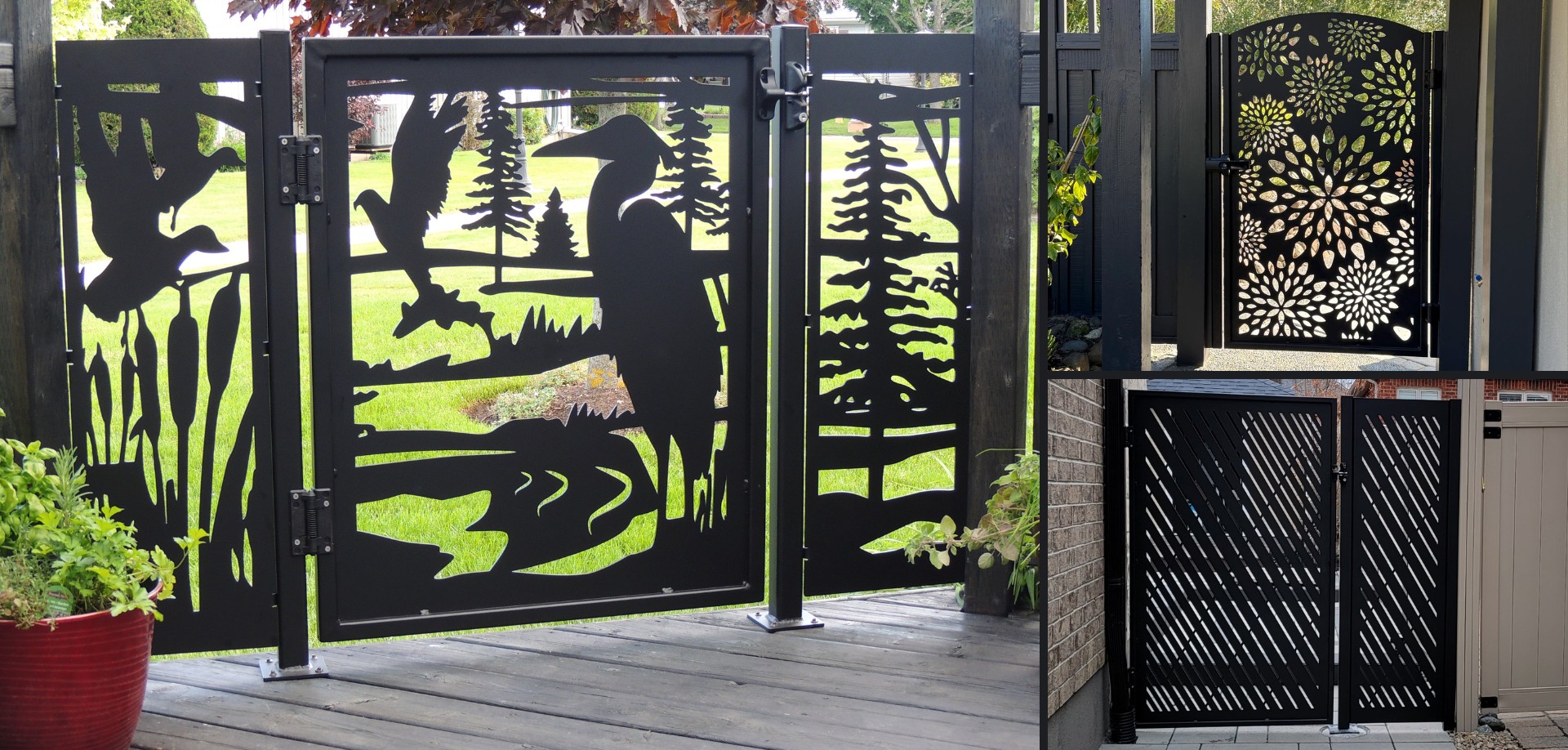
Los Angeles, with its blend of modern architecture, Mediterranean‑style homes, and year‑round sunshine, has become a fertile ground for innovative outdoor design. Among the most striking elements that homeowners are adding to their properties are metal laser‑cut decorative backyard gates. These gates combine precision engineering, artistic expression, and functional security, creating a seamless transition between private sanctuary and the vibrant streetscape of LA.
Below is a comprehensive look at why laser‑cut metal gates have captured the imagination of Los Angeles residents, the design possibilities they offer, and the practical considerations that ensure they perform beautifully in the city’s unique environment.
1. Why Laser‑Cut Metal?
| Feature | What It Means for a Backyard Gate |
|---|---|
| Precision | Laser cutting can reproduce intricate patterns—floral motifs, geometric tessellations, or custom logos—with tolerances measured in fractions of a millimeter. The result is a crisp, clean edge that retains its detail over decades. |
| Design Flexibility | Because the process is computer‑driven, any vector artwork can be translated directly into metal. Homeowners can collaborate with designers to embed personal symbols, cultural patterns, or contemporary abstract art. |
| Material Efficiency | The laser’s narrow kerf (cut width) minimizes waste, allowing thinner gauge steel or aluminum to achieve the same structural strength as bulkier, traditionally cut pieces. |
| Speed & Consistency | Once a design file is finalized, the cutting process is rapid and repeatable, ensuring that each panel of a multi‑panel gate matches its neighbours perfectly. |
2. Material Choices for LA’s Climate
| Material | Advantages in Los Angeles |
|---|---|
| Stainless Steel (304/316) | Excellent corrosion resistance against the salty coastal air; maintains a bright, reflective finish with minimal maintenance. |
| Aluminum (Marine‑Grade) | Lightweight, naturally resistant to rust, and ideal for larger gate spans where weight could stress hinges or motorized openers. |
| Cold‑Rolled Carbon Steel (with protective coating) | Offers a classic, industrial look; when powder‑coated or galvanized, it can withstand the occasional smog‑related acidity. |
| Corten Steel | Develops a stable, rust‑patina that actually protects the underlying metal; popular for a rustic, “aged” aesthetic that blends with desert‑inspired landscaping. |
All of these metals can be laser‑cut to the same degree of detail, allowing designers to match material choice to the overall architectural language of the home.
3. Design Themes Popular in Los Angeles
- Mediterranean & Spanish Revival
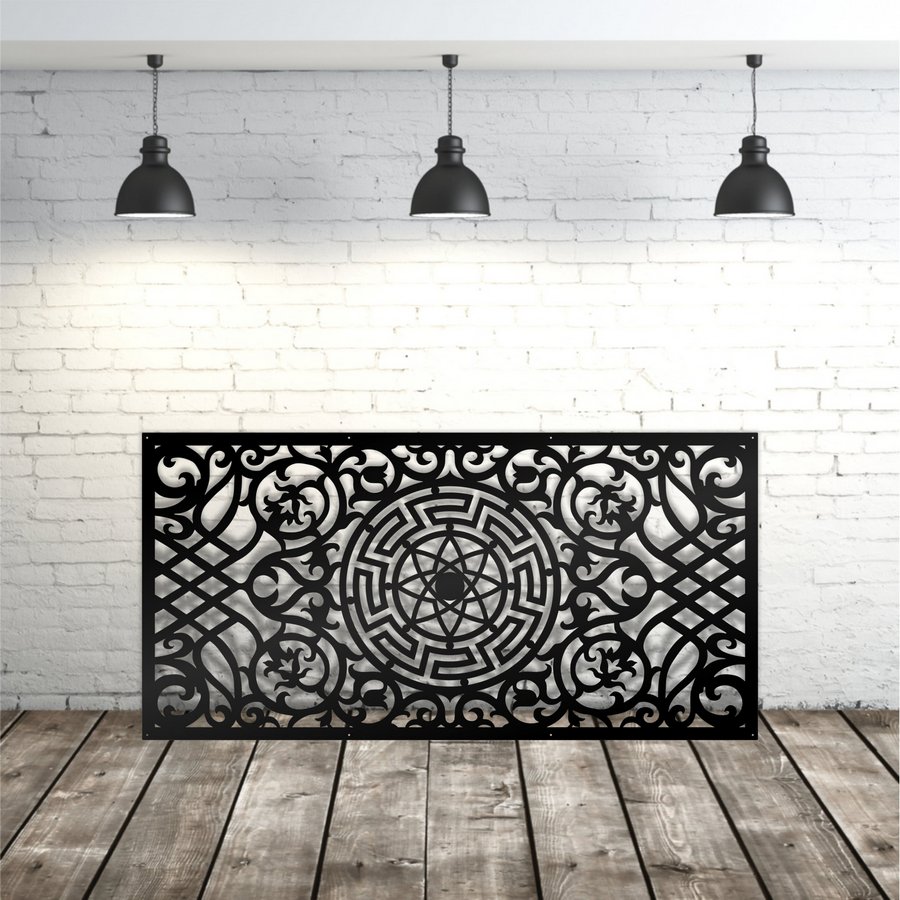
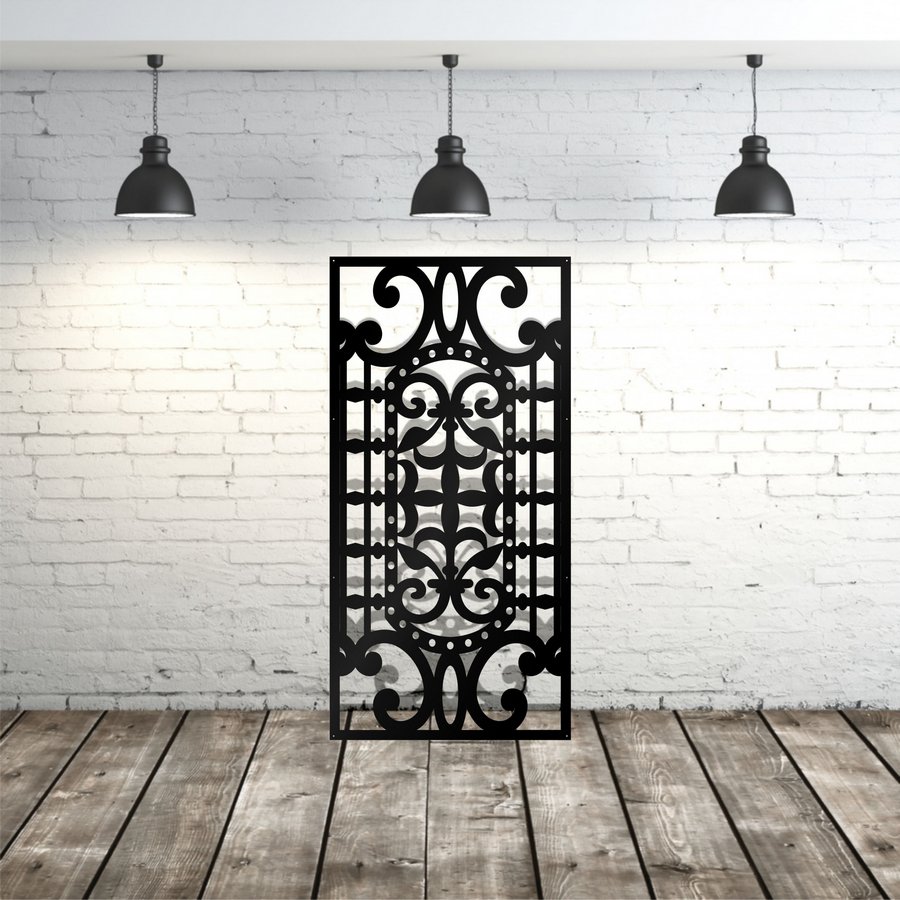
Intricate arabesques, wrought‑iron scrollwork, and stylized vines echo the historic missions and haciendas scattered throughout the city. - Mid‑Century Modern
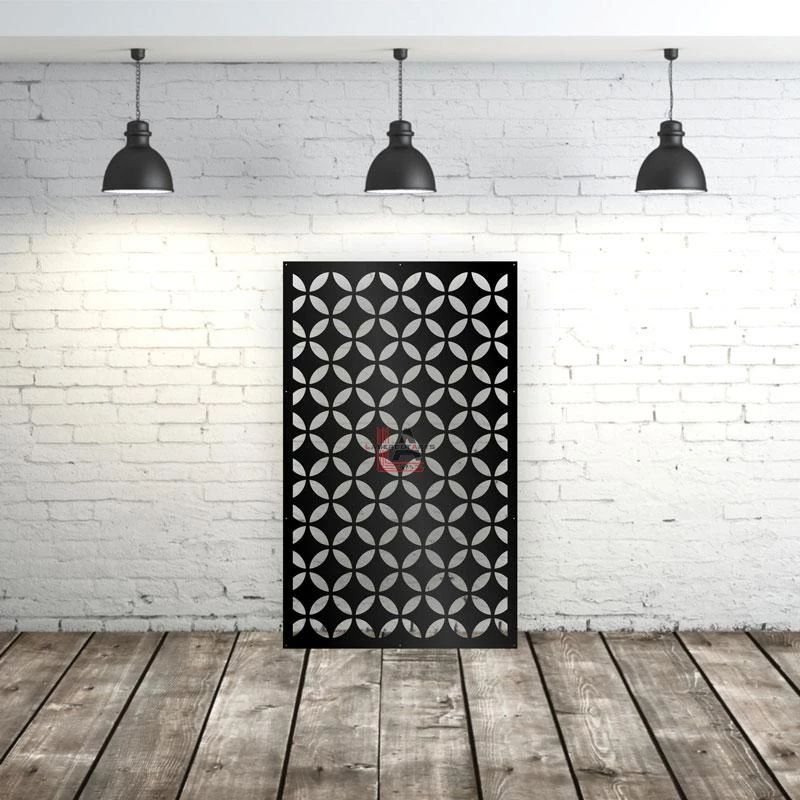
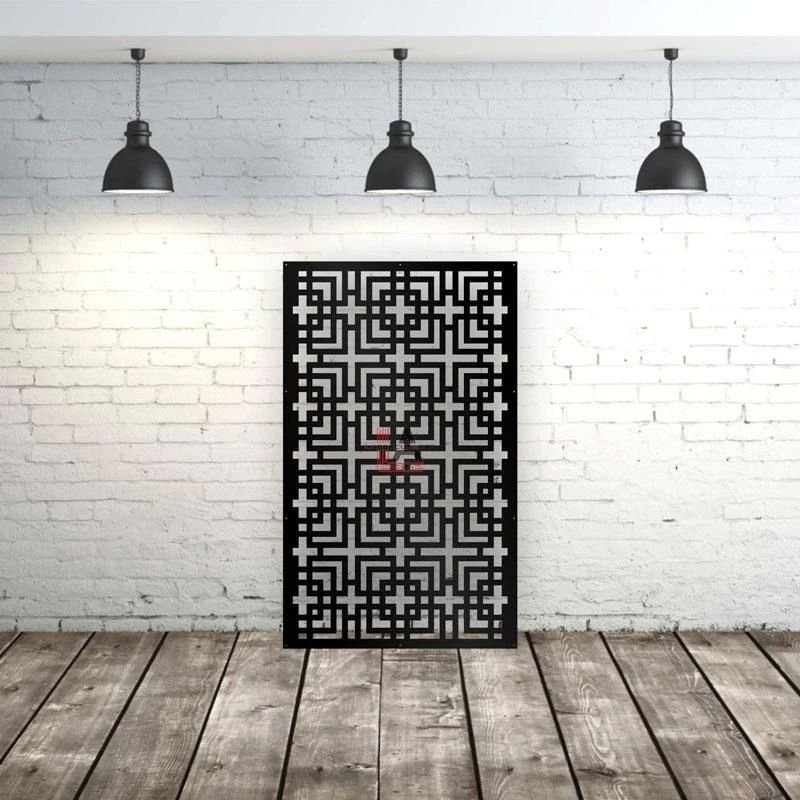
Clean, angular patterns, sunburst motifs, and asymmetrical geometry pay homage to the iconic homes of the 1950s and 60s. - Urban Industrial
Bold, geometric cut‑outs with a raw steel finish create a contemporary, “warehouse‑chic” vibe that resonates with LA’s revitalized loft districts. - Nature‑Inspired
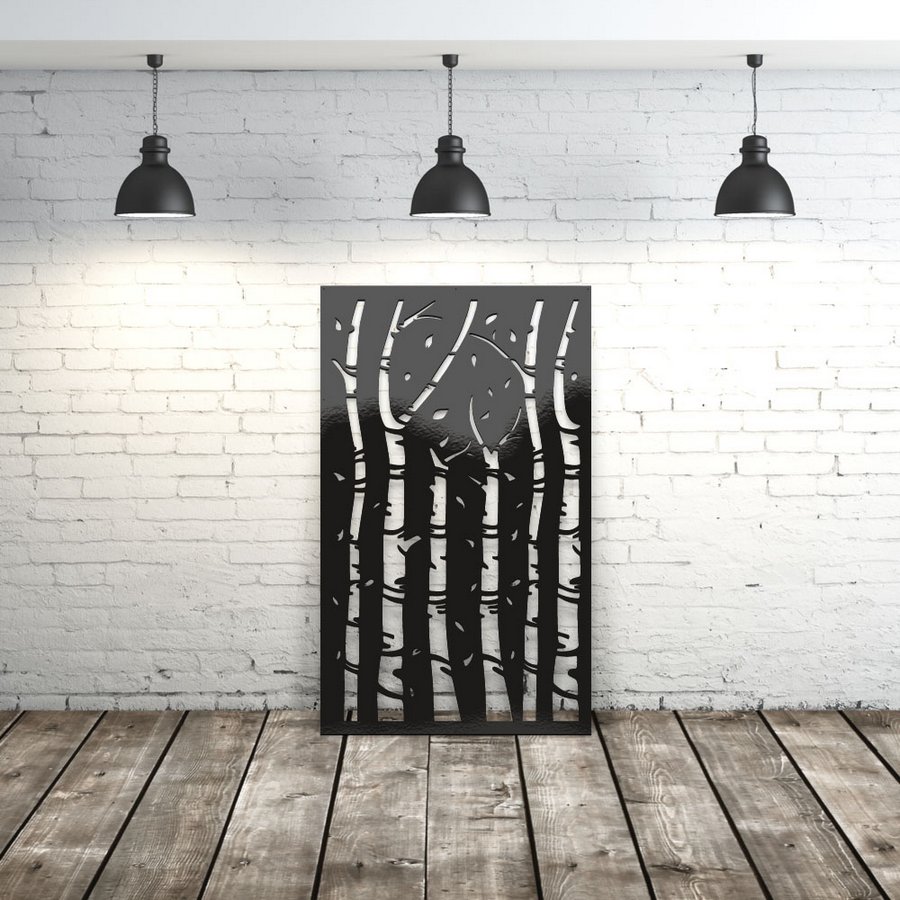
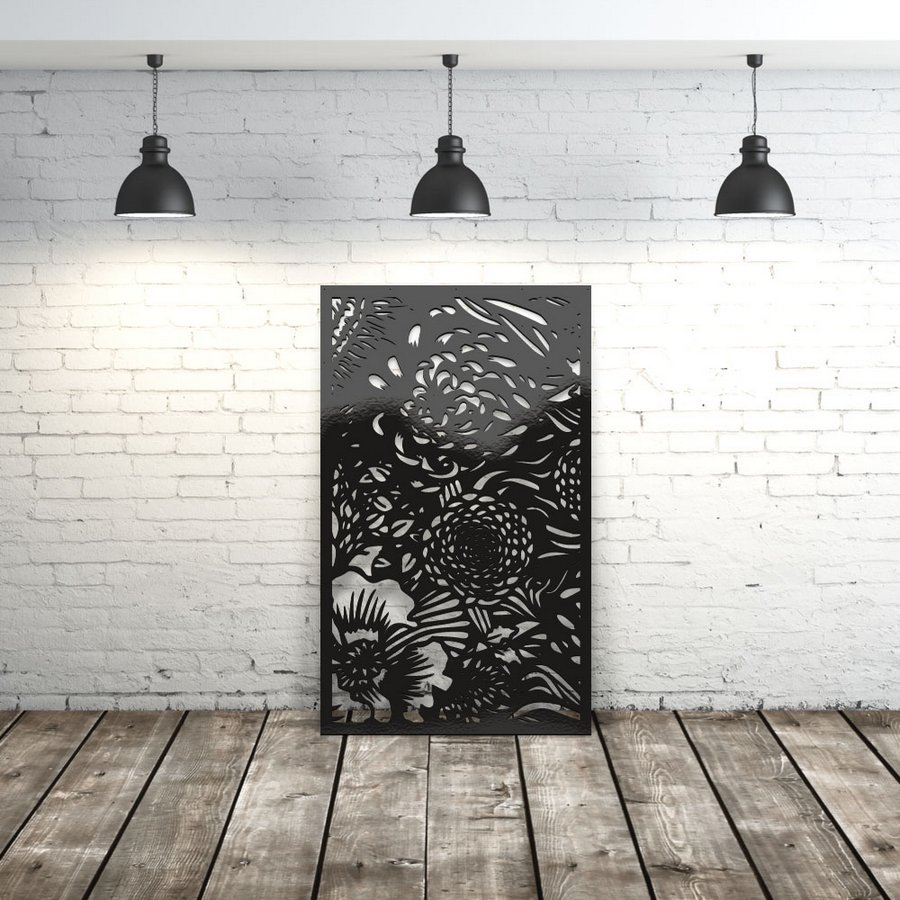
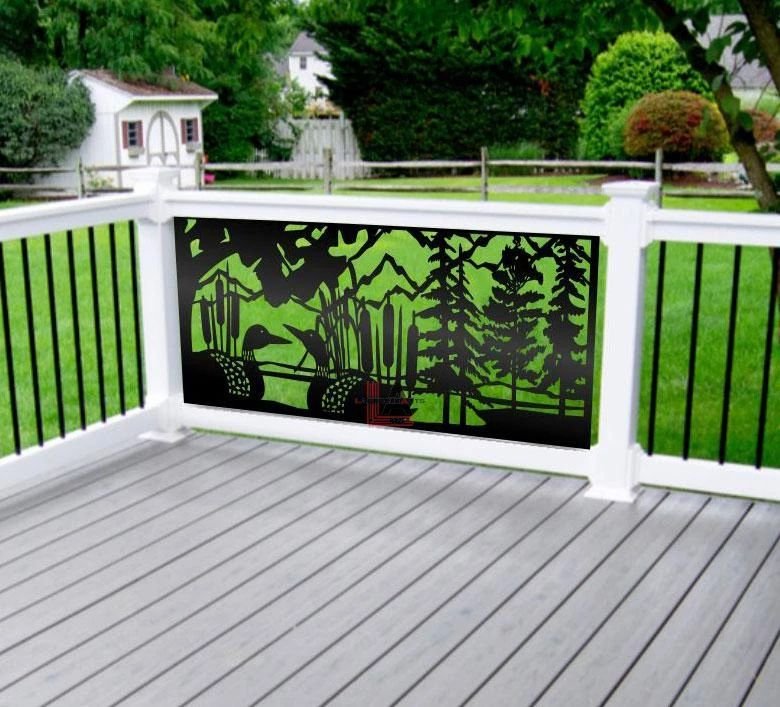
Laser‑etched silhouettes of native flora—such as the California poppy, oak leaves, or desert succulents—bring a sense of place and sustainability to the gate. - Artistic & Custom
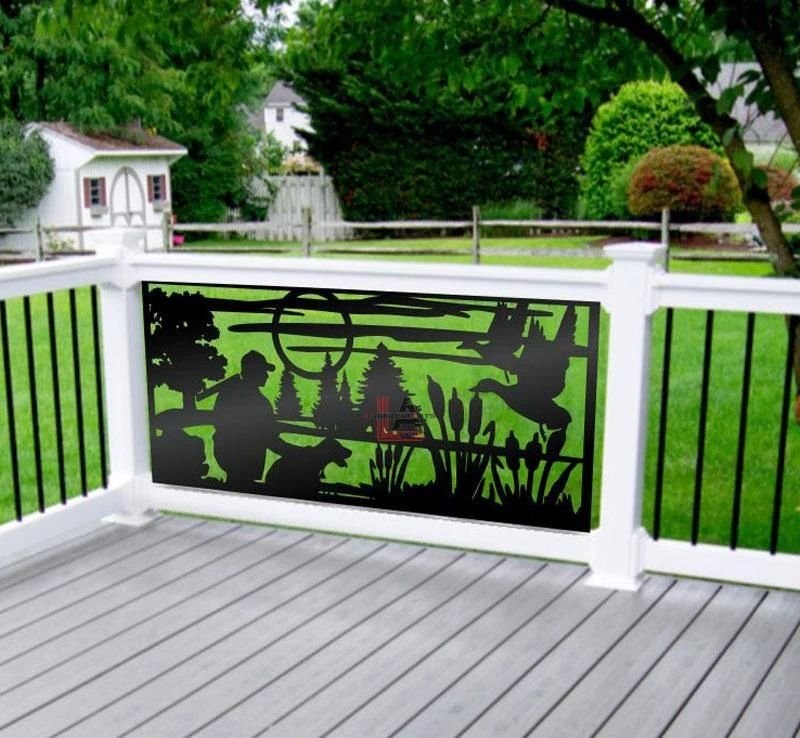
Personal monograms, abstract line art, or collaborations with local artists transform the gate into a public‑scale sculpture that still serves its functional purpose.
4. Integration with Landscape and Architecture
- Framing the View: A laser‑cut gate can act as a visual frame for a garden, pool, or patio, drawing the eye toward a focal point while subtly filtering sightlines for privacy.
- Lighting Opportunities: The perforated patterns allow for strategic uplighting or backlighting, turning the gate into a luminous artwork after dark. LED strips hidden behind the metal or spotlights aimed at the cut‑out sections enhance both safety and ambience.
- Complementary Materials: Pairing metal gates with natural stone pillars, reclaimed wood posts, or concrete bases creates a tactile contrast that enriches the overall streetscape.
- Green Integration: The open spaces within the cut‑outs can be filled with climbing vines or ornamental grasses, allowing the gate to evolve with the seasons.
5. Structural and Functional Considerations
5.1 Load‑Bearing Capacity
Even though laser cutting reduces material thickness, the overall gate must be engineered to support wind loads, occasional impact, and the weight of any automated opening mechanisms. Reinforcing ribs or welded frames behind the decorative panels are common solutions.
5.2 Security
While the primary focus is aesthetic, laser‑cut gates can still provide robust security:
- Strategic Pattern Density: Denser cut‑outs in the lower half deter climbing.
- Solid Reinforcement Bars: Integrating hidden solid steel bars within the design adds strength without compromising visual appeal.
- Locking Hardware: Modern deadbolts, smart access systems, and automatic operators can be concealed within the gate’s frame.
5.3 Maintenance
- Cleaning: A simple rinse with a garden hose and occasional mild detergent keeps the surface bright. For stainless steel, a non‑abrasive polish restores its mirror finish.
- Coating Touch‑Ups: Powder‑coat or galvanic finishes may require a touch‑up after several years, especially in high‑traffic zones.
- Inspection: Periodic checks for loose fasteners, hinge wear, and corrosion at weld points prolong the gate’s lifespan.
6. Navigating Local Regulations
Los Angeles has specific building codes and neighborhood covenants that affect gate installation:
- Setback Requirements: Front‑facing gates often need to be set back a certain distance from the street line.
- Height Limits: Many residential zones cap gate height at 6–8 feet for safety and aesthetic consistency.
- Fire Code Clearance: Gates must not obstruct required fire lanes or access for emergency vehicles.
- Historic Preservation Districts: In areas with designated historic status, design approvals may be required to ensure the gate’s style aligns with the district’s character.
Consulting with a local architect or permitting specialist early in the design process helps avoid costly revisions.
7. Sustainability Aspects
- Recyclable Materials: Steel and aluminum are fully recyclable, allowing the gate to be repurposed at the end of its service life.
- Reduced Waste: Laser cutting’s precision minimizes scrap, and any off‑cuts can be incorporated into decorative accents (e.g., garden art or signage).
- Energy‑Efficient Production: Modern laser‑cutting equipment uses computer‑controlled, high‑efficiency lasers that consume less energy than traditional mechanical cutting methods.
8. Future Trends to Watch
- Interactive Light‑Mapping: Integration of programmable LEDs that respond to motion or ambient sound, turning the gate into an interactive façade.
- Smart Integration: Gates that communicate with home automation systems, providing real‑time status, remote locking, and even predictive maintenance alerts.
- Hybrid Materials: Combining laser‑cut metal with transparent polycarbonate or tempered glass inserts for a “light‑filled” aesthetic.
- Biophilic Design: Incorporating built‑in planters or modular trellis systems that encourage vertical gardening directly on the gate structure.
Closing Thought
Metal laser‑cut decorative backyard gates have evolved from simple security barriers into sculptural statements that reflect Los Angeles’ eclectic cultural tapestry. By marrying cutting‑edge fabrication technology with thoughtful material selection, design nuance, and local context, these gates become more than an entry point—they become an integral part of a home’s identity, inviting both residents and passersby to pause, admire, and experience the artistry that lies just beyond the threshold.
Leave a Reply