Laser‑Cut Aluminum Privacy Screens: Design, Function, and Regional Considerations for California and Miami
1. Introduction
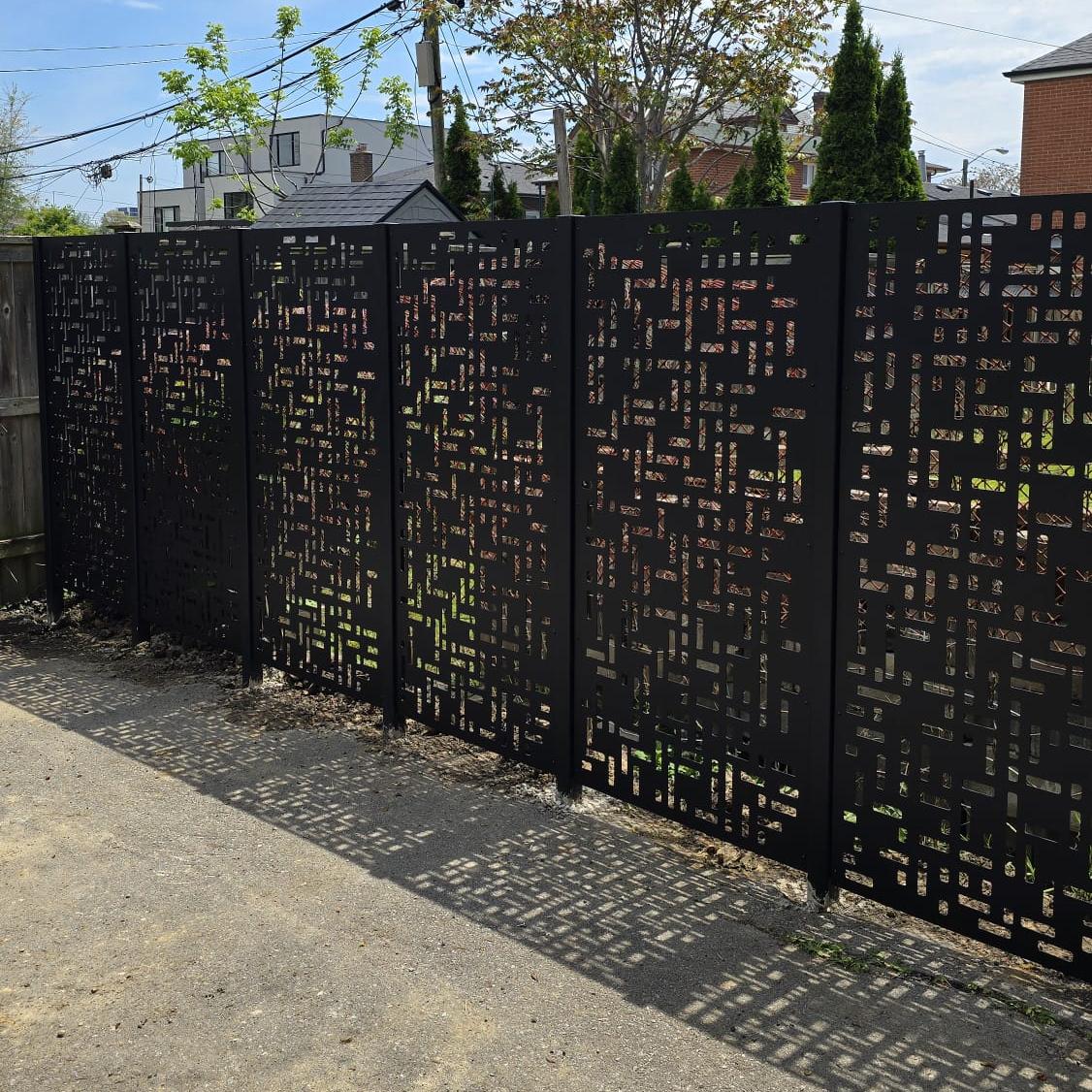
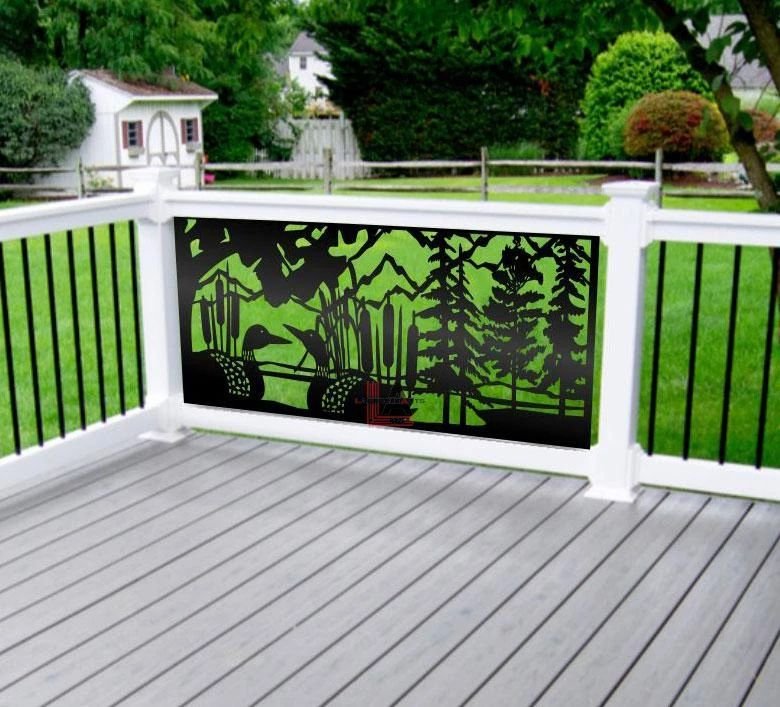
Laser‑cut aluminum privacy screens have become a popular architectural element for both residential and commercial projects. By combining the durability of aluminum with the precision of laser technology, designers can create intricate patterns that provide visual privacy, shade, and aesthetic appeal while remaining lightweight and low‑maintenance. This article explores the key benefits of these screens, the design language that resonates in California and Miami, and the practical factors that influence successful installation in each locale—without referencing specific manufacturers or price points.
2. Why Choose Laser‑Cut Aluminum?
| Feature | Benefit |
|---|---|
| Precision Cutting | Laser technology allows for highly detailed patterns, from geometric lattices to organic motifs, without compromising structural integrity. |
| Lightweight Yet Strong | Aluminum’s high strength‑to‑weight ratio makes the screens easy to handle on site while resisting wind uplift and impact. |
| Corrosion Resistance | Anodized or powder‑coated finishes protect the metal from moisture, salt air, and UV exposure—crucial for coastal environments. |
| Low Maintenance | Unlike wood or fabric, aluminum does not rot, warp, or require frequent repainting. A simple wash is usually sufficient. |
| Sustainability | Aluminum is 100 % recyclable, and many fabricators use recycled content, aligning with green building standards such as LEED. |
3. Design Trends Shaping Privacy Screens
3.1 California
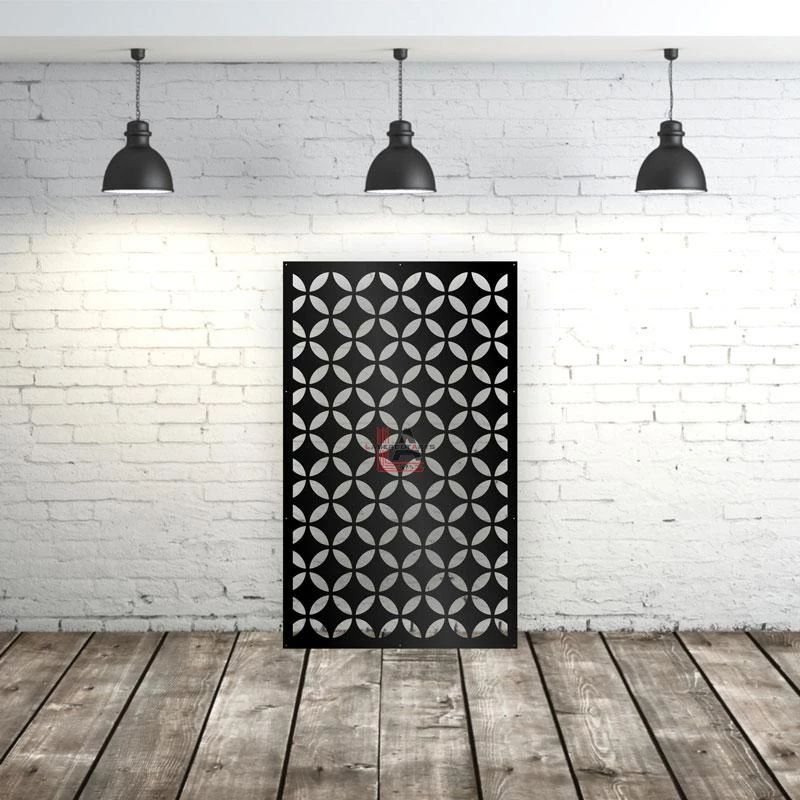
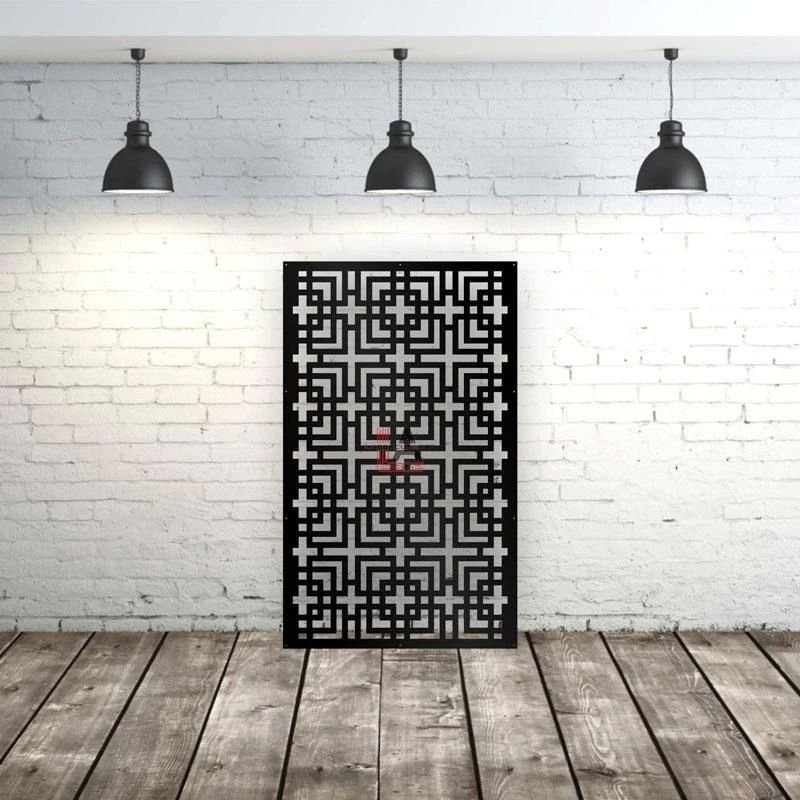
- Mid‑Century Modern Revival: Clean lines, rectangular grids, and subtle perforations echo the iconic architecture of the 1950s‑60s.
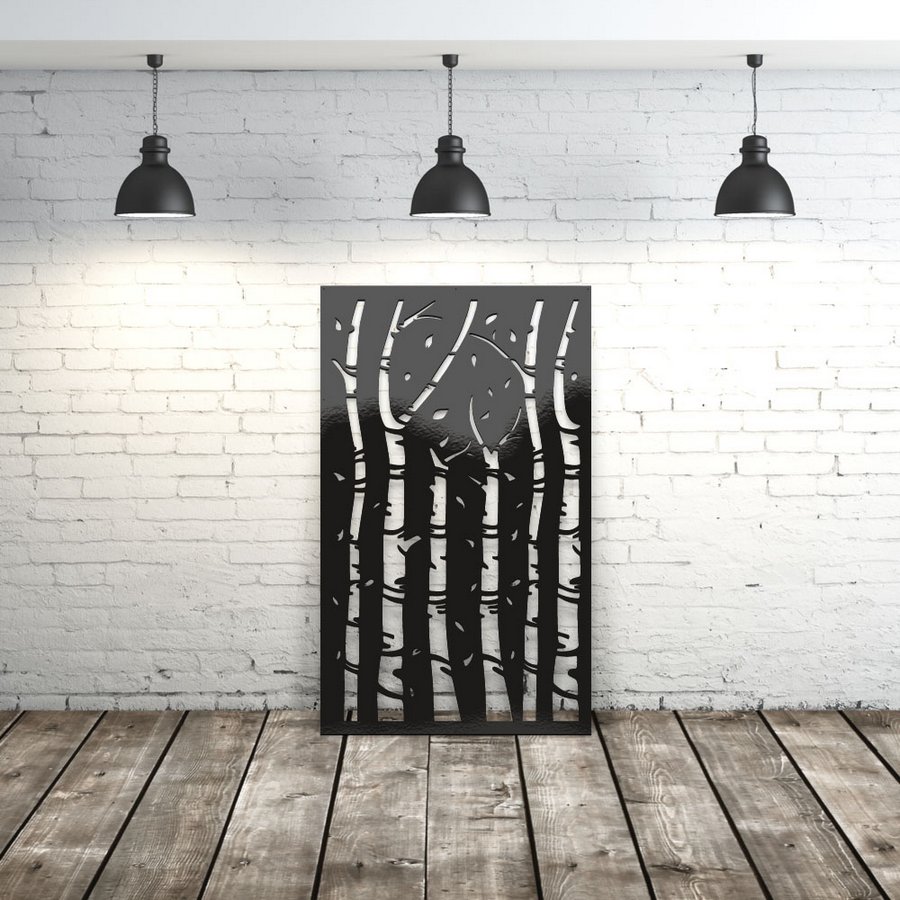
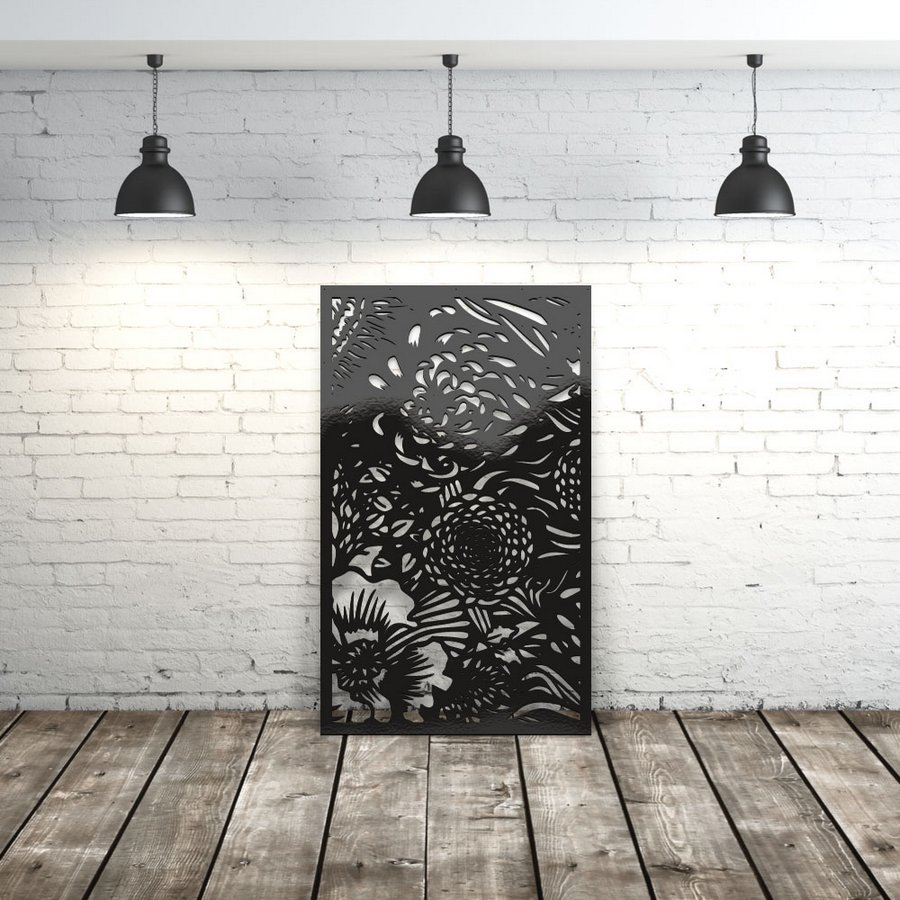
- Eco‑Responsive Patterns: Designs that mimic native foliage (e.g., oak, sagebrush) provide a visual connection to the landscape while allowing filtered daylight.
- Integration with Smart Home Systems: Screens can be paired with motorized brackets and lighting controls, enabling dynamic privacy that responds to time of day or occupancy sensors.
3.2 Miami
- Art Deco Influence: Bold, repetitive motifs—chevrons, sunbursts, and stylized waves—pay homage to the city’s historic shoreline aesthetic.
- Tropical Transparency: Larger open‑area cuts create breezy, airy enclosures that preserve the indoor‑outdoor flow essential to Miami living.
- Colorful Finishes: While the article avoids brand specifics, it’s worth noting that anodized hues ranging from coral to turquoise are popular for adding vibrancy without compromising durability.
4. Climate‑Specific Considerations
| Climate Factor | Impact on Screen Design | Recommendations |
|---|---|---|
| California – Mediterranean (dry summers, mild winters) | UV exposure can cause fading of finishes; occasional rain is low‑impact. | Choose high‑performance anodized or powder‑coat systems with UV‑stabilizers. Design patterns that reduce solar gain for patios and decks. |
| California – Coastal (e.g., San Diego, Santa Barbara) | Salt‑laden air accelerates corrosion. | Opt for marine‑grade finishes and consider a higher density of cutouts to reduce wind uplift. |
| Miami – Tropical (high humidity, heavy rain, hurricane risk) | Moisture promotes corrosion; wind loads can be extreme during storms. | Use marine‑grade aluminum, ensure all fasteners are stainless steel, and follow local wind‑load calculations. Incorporate reinforced mounting brackets and consider integrating the screen into a structural frame. |
| Miami – Sun Intensity | Intense sunlight creates heat buildup on opaque surfaces. | Favor perforated patterns that allow airflow, reducing heat buildup while still providing privacy. |
5. Regulatory Landscape
5.1 California
- Building Codes: The California Building Code (CBC) references the International Building Code (IBC) for wind‑load requirements. Screens must be designed to meet the “Design Wind Speed” for the specific zone (e.g., 115 mph for coastal zones).
- Energy Standards: Title 24 energy compliance encourages shading devices that reduce cooling loads. Laser‑cut screens can be credited when they demonstrably lower solar heat gain.
5.2 Miami (Florida)
- Wind‑Load Requirements: Miami‑Dade County follows the Florida Building Code (FBC) with a design wind speed of 150 mph in many coastal zones. Screens must be engineered and tested for these loads, often requiring a “wind‑uplift” rating.
- Coastal Construction Ordinances: In flood‑prone areas, screens may need to be elevated or designed to allow water flow without creating debris traps.
Designers should collaborate with structural engineers and local permitting offices early in the process to ensure compliance.
6. Installation Best Practices
- Accurate Site Survey
- Measure mounting surfaces, account for tolerances, and note any obstructions (e.g., HVAC units, lighting fixtures).
- Document prevailing wind direction and any nearby trees that could affect loading.
- Mounting System Selection
- Use stainless‑steel or coated steel brackets rated for the local wind zone.
- For larger panels, consider a continuous rail system that distributes loads evenly across the façade.
- Seam Management
- Overlap cutouts at panel joints to maintain privacy continuity and prevent water infiltration.
- Use silicone‑based sealants compatible with aluminum to seal gaps.
- Thermal Expansion Allowance
- Aluminum expands roughly 12 mm per meter for a 30 °C temperature swing. Include slip‑fit connections or expansion joints to avoid buckling.
- Safety During Installation
- Employ fall‑protection equipment when working at height.
- Use suction cups or magnetic lifts for handling large panels, reducing manual strain.
7. Sustainability and Lifecycle
- Recyclability: At the end of its service life, a laser‑cut aluminum screen can be fully reclaimed and melted down without loss of material quality.
- Embodied Energy: While aluminum production is energy‑intensive, the use of recycled content can cut embodied energy by up to 70 %.
- Passive Cooling: Properly designed perforations reduce solar heat gain, lowering HVAC demand and contributing to lower operational carbon footprints.
8. Case‑Study Highlights (Conceptual)
| Location | Design Intent | Key Features |
|---|---|---|
| Los Angeles Suburban Home | Create a private backyard oasis while preserving daylight. | 45 % open‑area laser‑cut pattern inspired by native chaparral; anodized bronze finish; motorized brackets for seasonal adjustment. |
| Miami Beach Boutique Hotel | Offer guests a stylish, breezy enclosure for poolside seating. | Large‑scale Art Deco chevron cutouts; turquoise anodized finish; integrated LED backlighting for night ambience; engineered to meet 150 mph wind loads. |
These conceptual examples illustrate how the same material can be adapted to distinct cultural and climatic contexts.
9. Future Directions
- Parametric Design Tools: Architects are increasingly using algorithmic software to generate custom cut patterns that respond to site‑specific solar data, wind flow, and privacy requirements.
- Smart Integration: Embedding sensors within the screen frame can enable real‑time monitoring of wind pressure, allowing automated retraction in extreme weather.
- Hybrid Materials: Combining laser‑cut aluminum with translucent polymer inserts can create dynamic light‑diffusing panels that shift the interior ambience throughout the day.
10. Conclusion
Laser‑cut aluminum privacy screens offer a versatile solution that merges functional performance with high‑design aesthetics. In California, the emphasis lies on sleek, energy‑efficient designs that complement a Mediterranean or coastal lifestyle, while Miami’s vibrant, tropical atmosphere calls for bold patterns and robust wind‑resistance. By respecting regional climate demands, adhering to local building codes, and leveraging the material’s sustainability advantages, architects and builders can create lasting, visually striking enclosures that enhance privacy, comfort, and the overall built environment.
Prepared for designers, architects, and developers seeking a comprehensive overview of laser‑cut aluminum privacy screens in the distinct contexts of California and Miami.
Leave a Reply