Metal Laser‑Cut Privacy Screens in New York City: An Overview
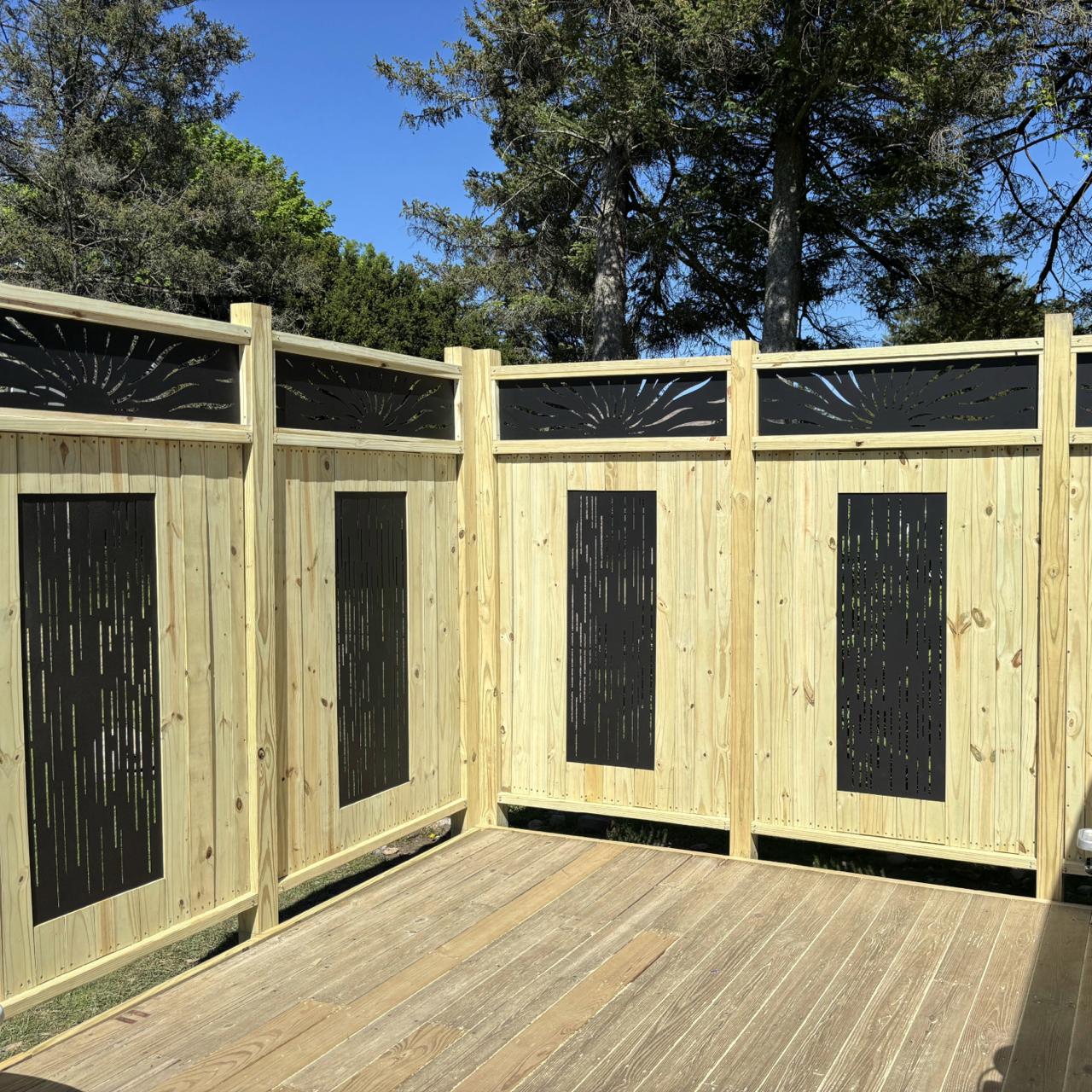
By 2026, metal laser‑cut privacy screens have become a distinctive element of the urban fabric in New York, blending functional separation with artistic expression. This article explores the concept, design considerations, regulatory landscape, sustainability aspects, and the broader cultural impact of these installations—without delving into specific usage instructions, pricing, or brand references.
1. What Is a Metal Laser‑Cut Privacy Screen?
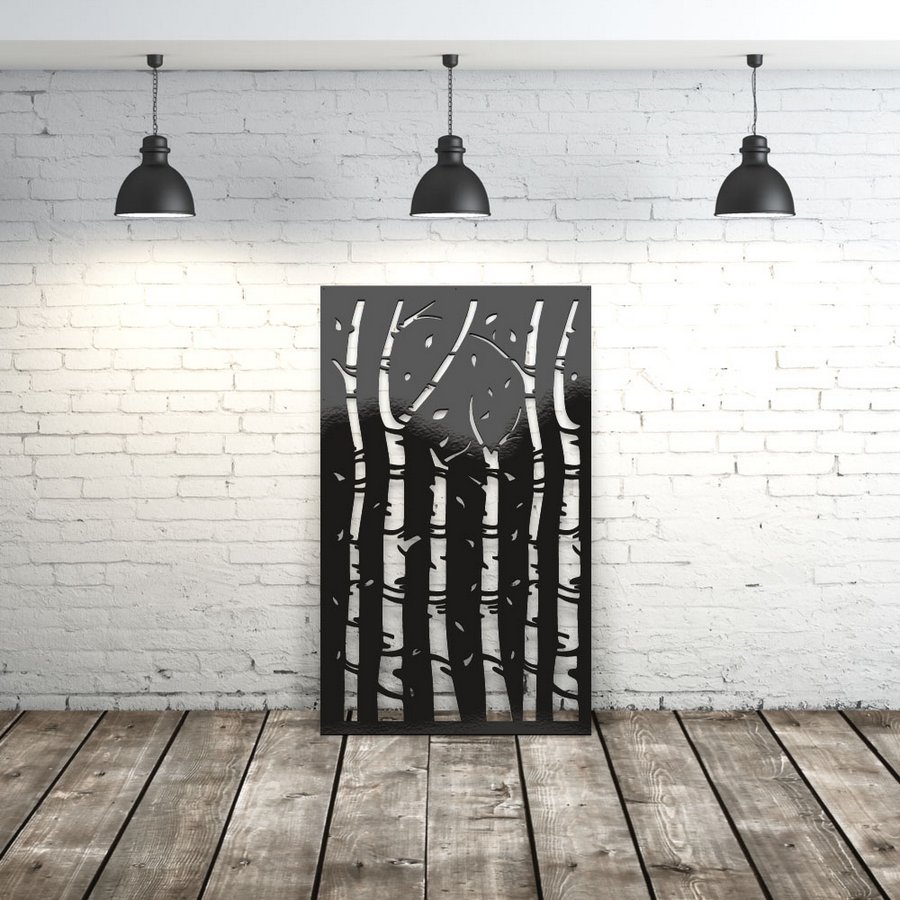
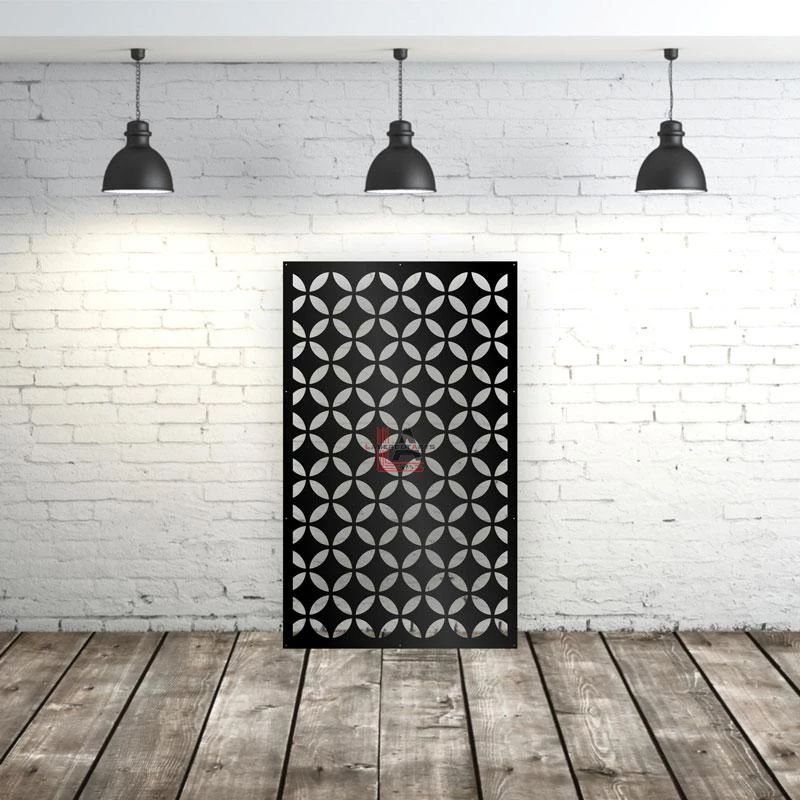
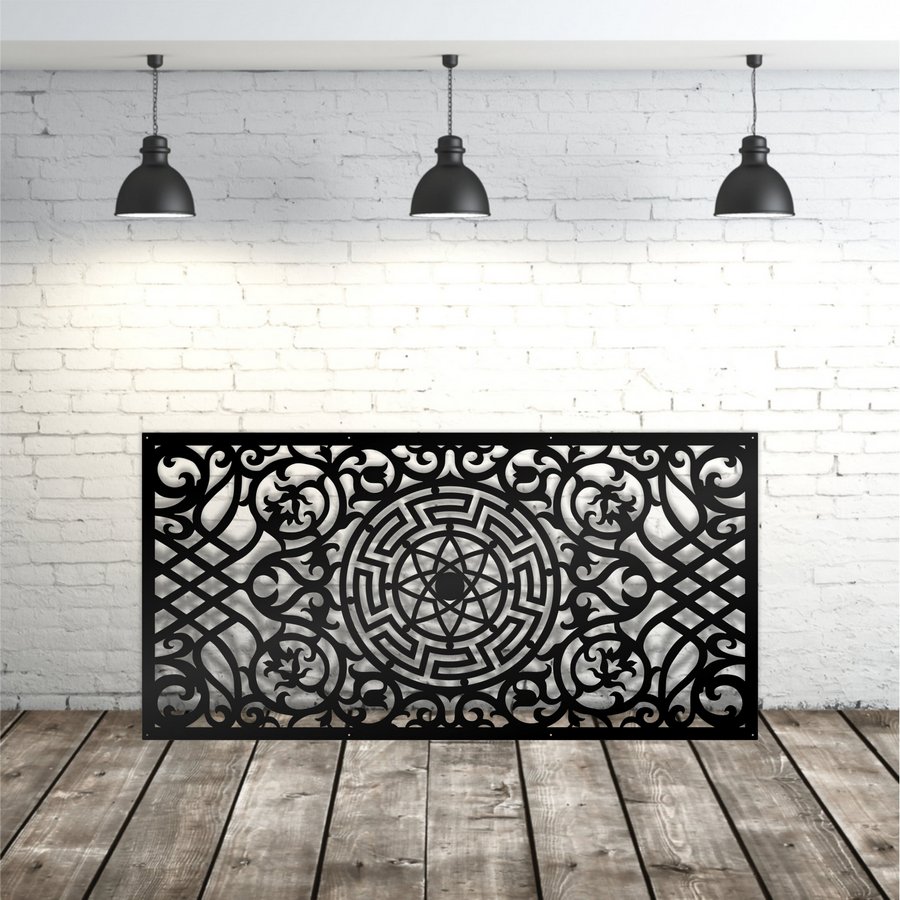
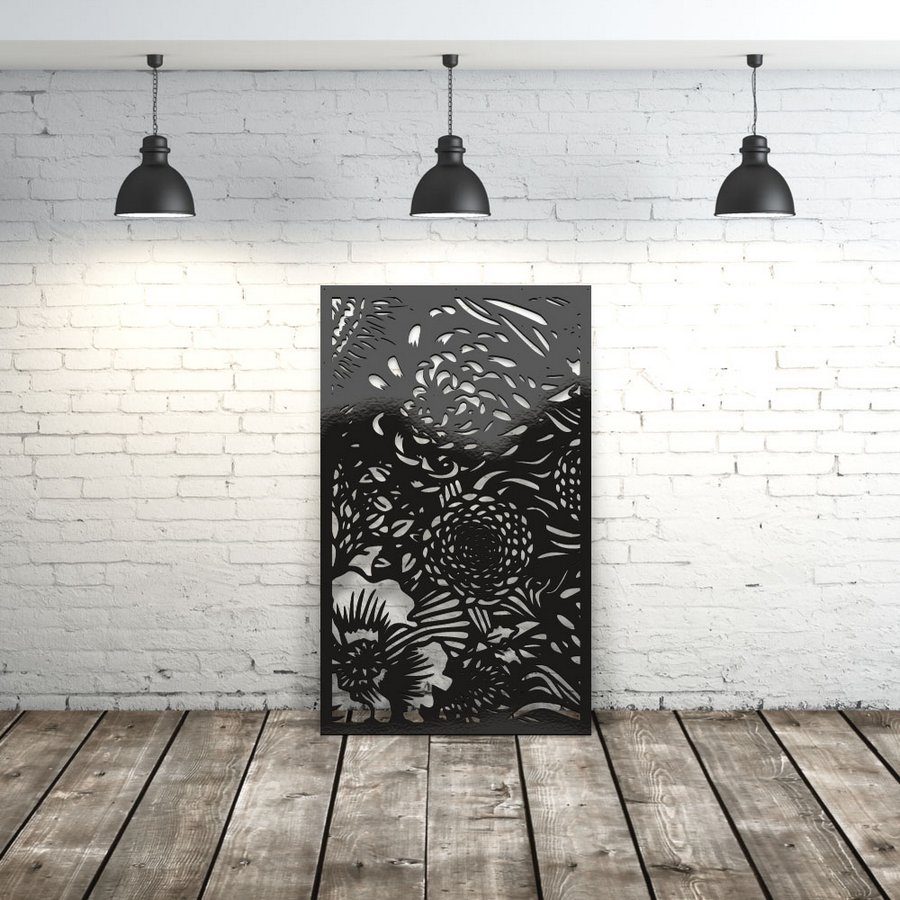
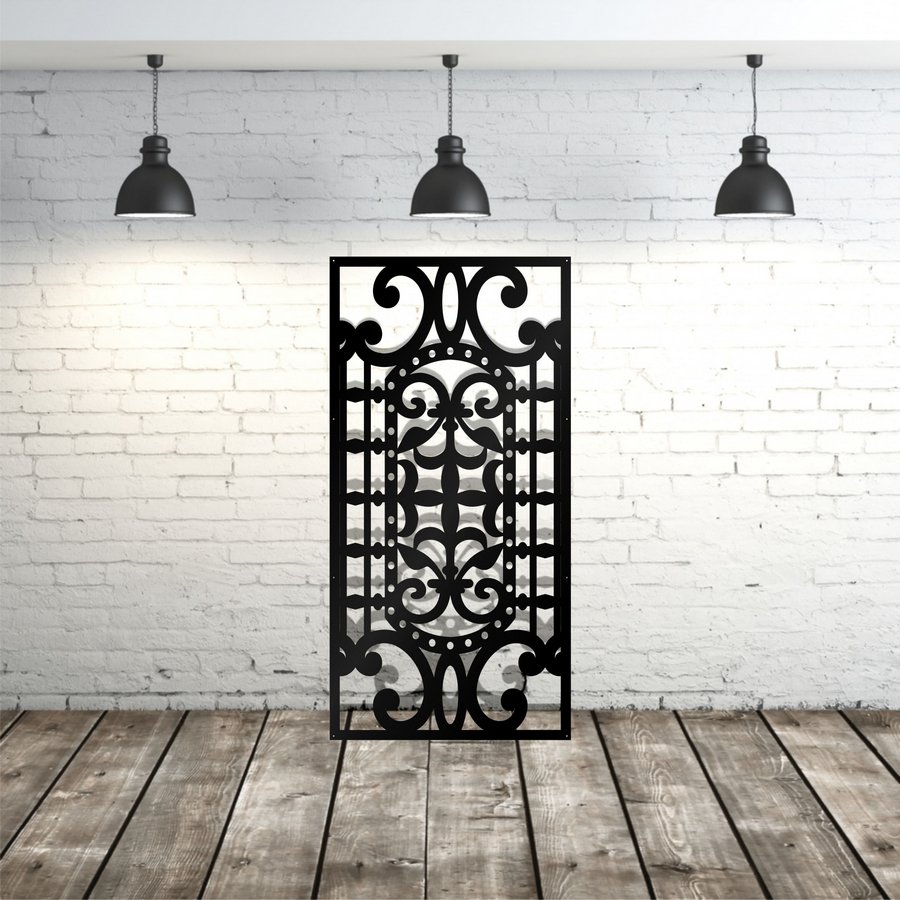
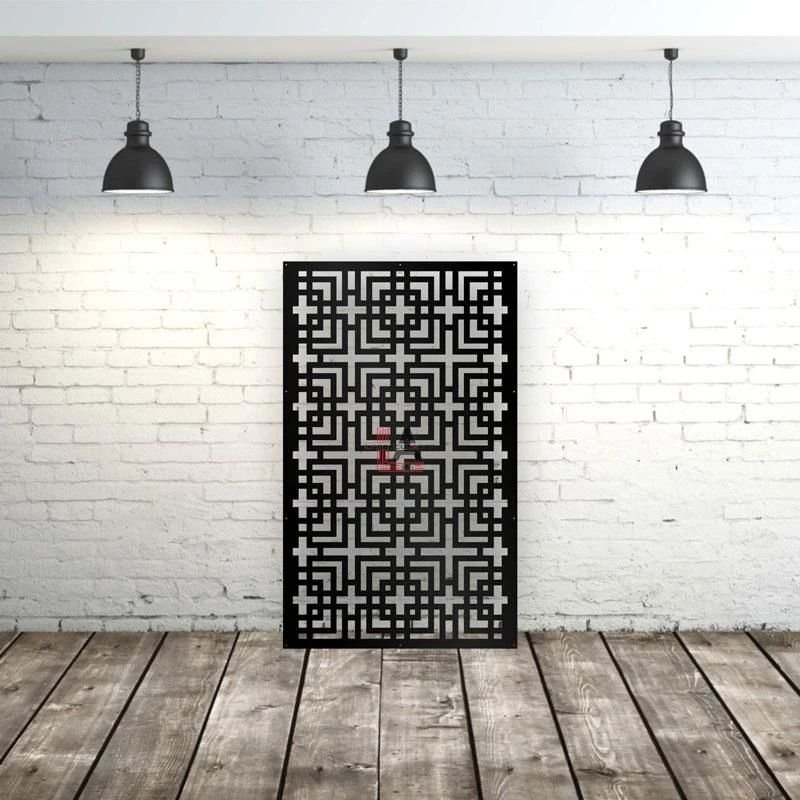
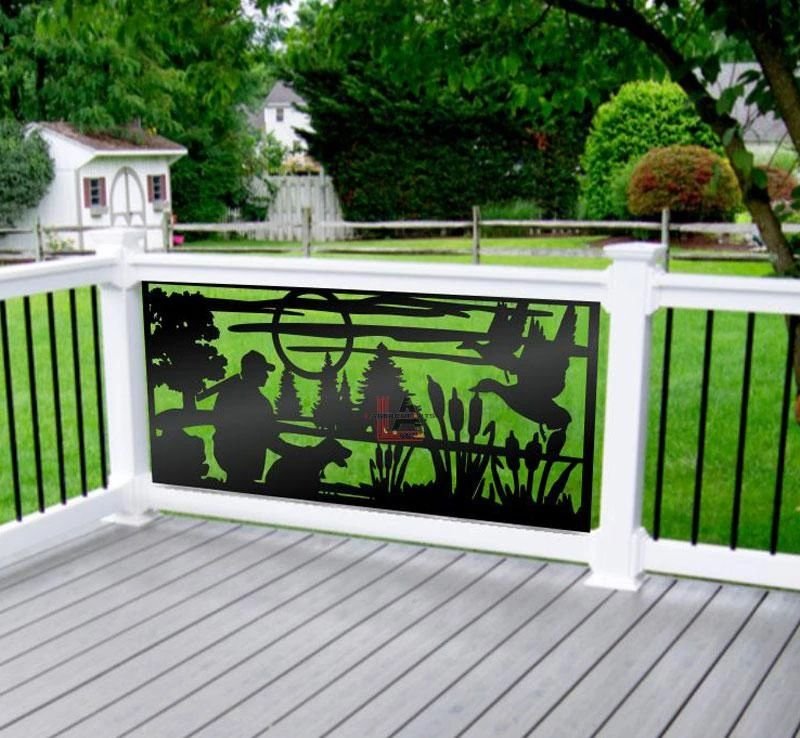
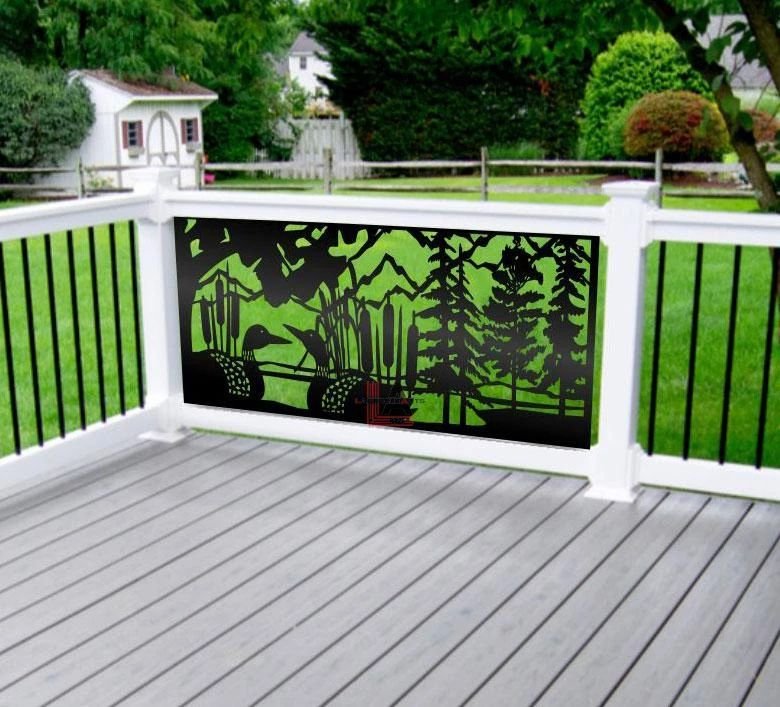
A metal laser‑cut privacy screen is a perforated or solid panel fabricated from sheet metal (typically stainless steel, aluminum, or corten steel) in which intricate patterns are removed by high‑precision laser technology. The resulting geometry can range from simple geometric grids to elaborate, site‑specific motifs. Because the laser can cut at tolerances of a fraction of a millimeter, designers achieve both structural integrity and visual transparency, allowing light and sightlines to be filtered in a controlled manner.
2. Design Drivers in the New York Context
2.1 Architectural Integration
- Façade articulation: Screens are often mounted on building exteriors to break up monolithic glass walls, adding depth and texture without compromising daylight.
- Interior partitioning: In lofts, co‑working spaces, and boutique hotels, they serve as semi‑transparent dividers that preserve an open feel while defining zones.
2.2 Urban Aesthetics
- Cultural references: Many installations echo the city’s iconic grid, subway maps, or historic motifs (e.g., Art Deco patterns) to reinforce a sense of place.
- Public art synergy: The laser‑cut medium lends itself to collaborations with visual artists, turning functional screens into large‑scale artworks that animate streetscapes.
2.3 Light & Shadow Play
- The perforated geometry creates dynamic shadows that shift with the sun’s angle, contributing to a living façade that changes throughout the day and across seasons.
3. Technical and Structural Considerations
| Aspect | Key Points |
|---|---|
| Material selection | Stainless steel offers corrosion resistance for waterfront sites; aluminum provides lightweight solutions for high‑rise retrofits; corten steel develops a protective patina that blends with industrial aesthetics. |
| Thickness & support | Panels typically range from 2 mm to 6 mm; thicker sheets increase rigidity, while thinner sheets may require additional framing or tensioning systems. |
| Laser precision | Modern fiber lasers achieve cut widths of 0.1 mm, enabling fine detailing without compromising structural strength. |
| Mounting systems | Options include surface‑mounted brackets, recessed frames, or tensioned cable networks, each influencing visual depth and load distribution. |
| Acoustic performance | Perforated designs can attenuate sound, providing a modest degree of noise reduction in busy streets or subway‑adjacent spaces. |
4. Regulatory Landscape in New York
4.1 Building Codes
- Structural compliance: Panels must meet the New York City Building Code (NYCBC) requirements for wind load, especially on high‑rise façades.
- Fire safety: Metal screens are generally non‑combustible, but any integrated lighting or signage must adhere to the NYC Fire Code’s flame‑spread and smoke‑development criteria.
4.2 Zoning & Historic Districts
- In designated historic districts, alterations to façades undergo review by the Landmarks Preservation Commission. Laser‑cut screens are evaluated for compatibility with the district’s character, scale, and material palette.
4.3 Accessibility & Wayfinding
- When used as barriers or guides, screens must not impede the clear width required for wheelchair access under the Americans with Disabilities Act (ADA) and NYC Accessibility Code.
5. Sustainability Aspects
- Recyclability – Metal is inherently recyclable; end‑of‑life panels can be re‑melted without loss of material quality.
- Embodied carbon – Selecting locally sourced steel and employing high‑efficiency laser cutters reduces the carbon footprint compared with traditional fabrication methods.
- Longevity – Corrosion‑resistant alloys and protective finishes extend service life, minimizing replacement cycles.
- Energy performance – By moderating solar gain and providing shading, screens can contribute to lower cooling loads in interior spaces.
6. Market Trends Shaping the Future
- Parametric design tools are enabling architects to generate algorithmic patterns that respond to site‑specific data (e.g., sun path, pedestrian flow) before the laser cutting stage.
- Interactive façades – Integration of LED strips or responsive sensors within the cutouts is emerging, turning static screens into dynamic information displays while preserving the core aesthetic.
- Hybrid material systems – Combining metal with glass, timber, or composite panels creates layered façades that play with transparency and texture.
- Community‑led installations – Neighborhood councils are increasingly commissioning screens as public art projects, fostering local identity and civic engagement.
7. Cultural Impact in the City
Metal laser‑cut privacy screens have become more than functional elements; they are visual signifiers of New York’s evolving relationship with technology, design, and public space. From the sleek corridors of Midtown office towers to the gritty alleys of Brooklyn’s industrial districts, these screens articulate a narrative of precision craftsmanship meeting the city’s relentless pace. Their ability to transform ordinary walls into kinetic canvases reflects a broader urban desire for spaces that are both protective and expressive.
8. Conclusion
In the dense, vertical environment of New York City, metal laser‑cut privacy screens offer a compelling solution that merges privacy, aesthetics, and performance. By leveraging advanced laser technology, designers can craft bespoke patterns that resonate with the city’s architectural heritage while meeting stringent regulatory and sustainability standards. As the city continues to innovate in both built form and public art, these screens are poised to remain a versatile and iconic component of New York’s ever‑changing skyline.
Leave a Reply