Laser‑Cut Privacy Aluminum Screens in Arizona: A Comprehensive Overview
1. Introduction
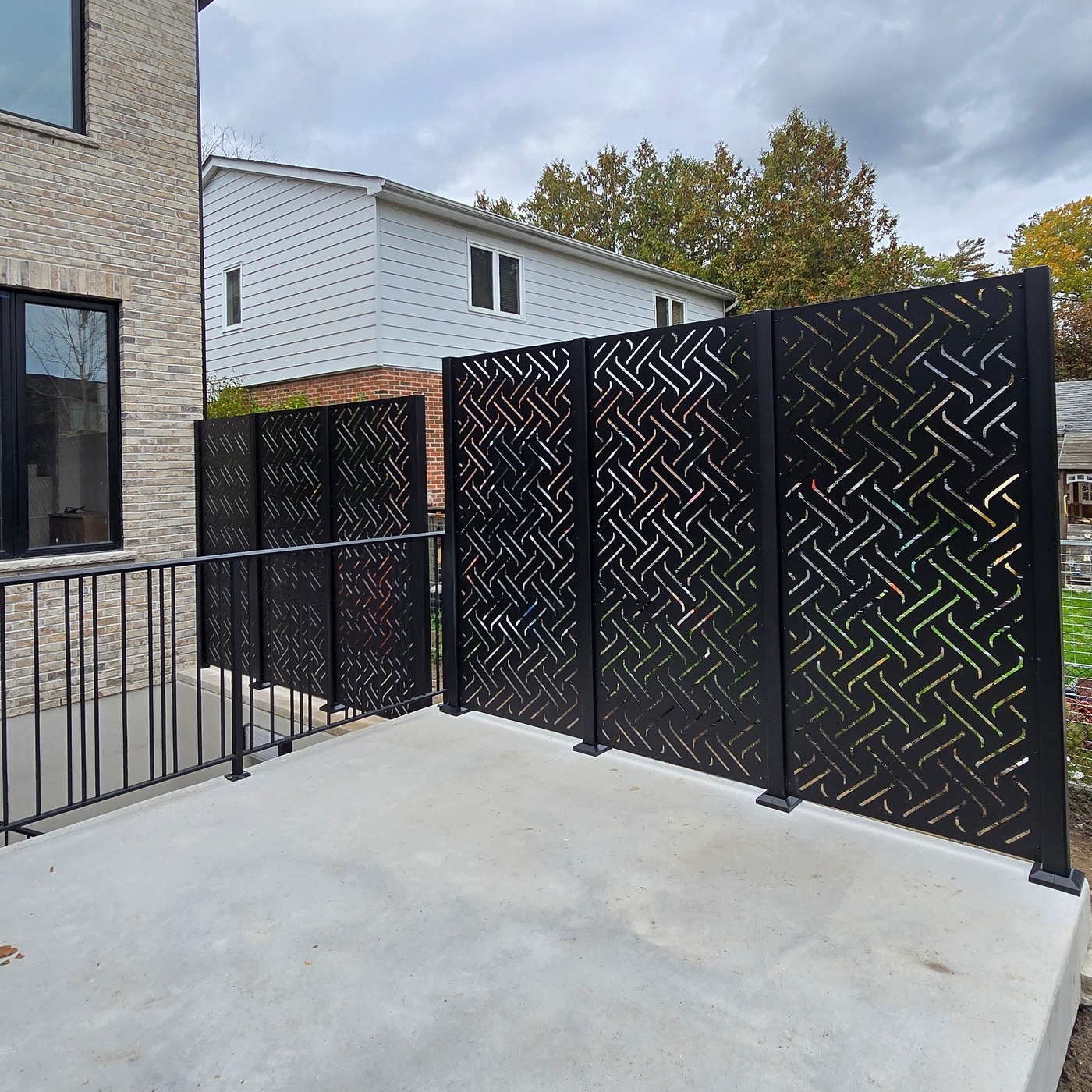
Arizona’s unique climate—intense sun, soaring summer temperatures, and occasional monsoonal storms—creates a strong demand for architectural solutions that blend aesthetics, comfort, and durability. Laser‑cut privacy aluminum screens have emerged as a versatile answer, offering homeowners and commercial property owners a way to control light, heat, and sightlines while adding a contemporary design element to façades, patios, and interior partitions.
2. What Are Laser‑Cut Privacy Aluminum Screens?
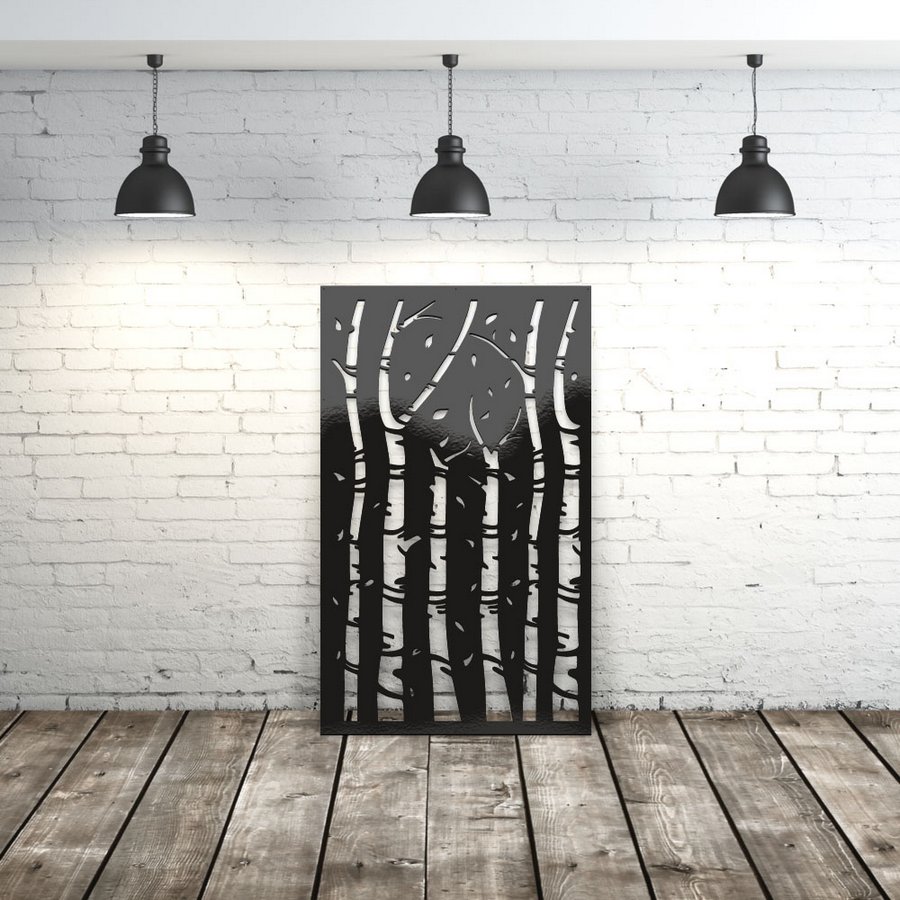
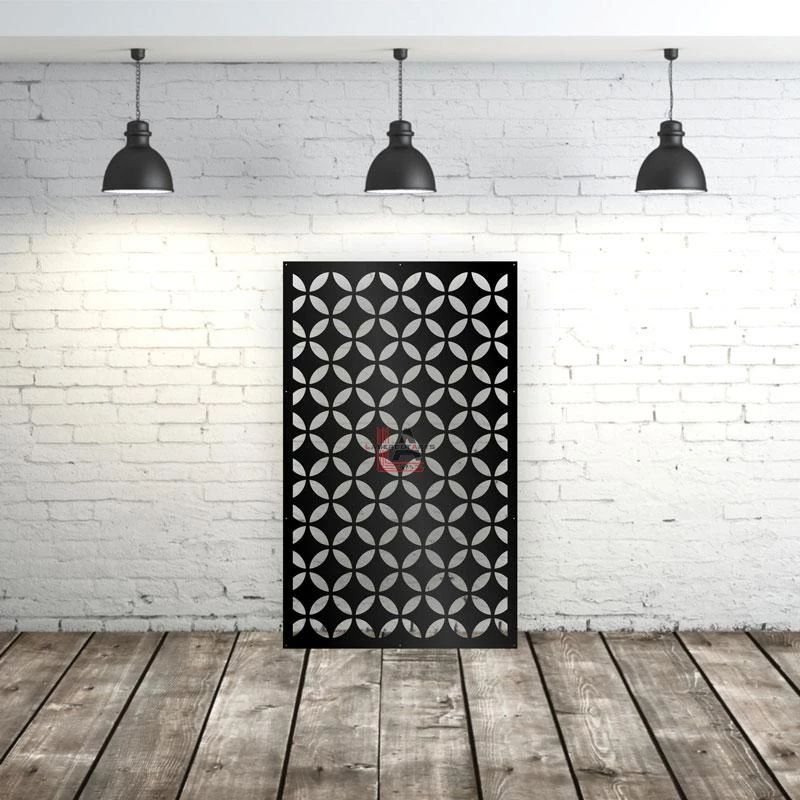
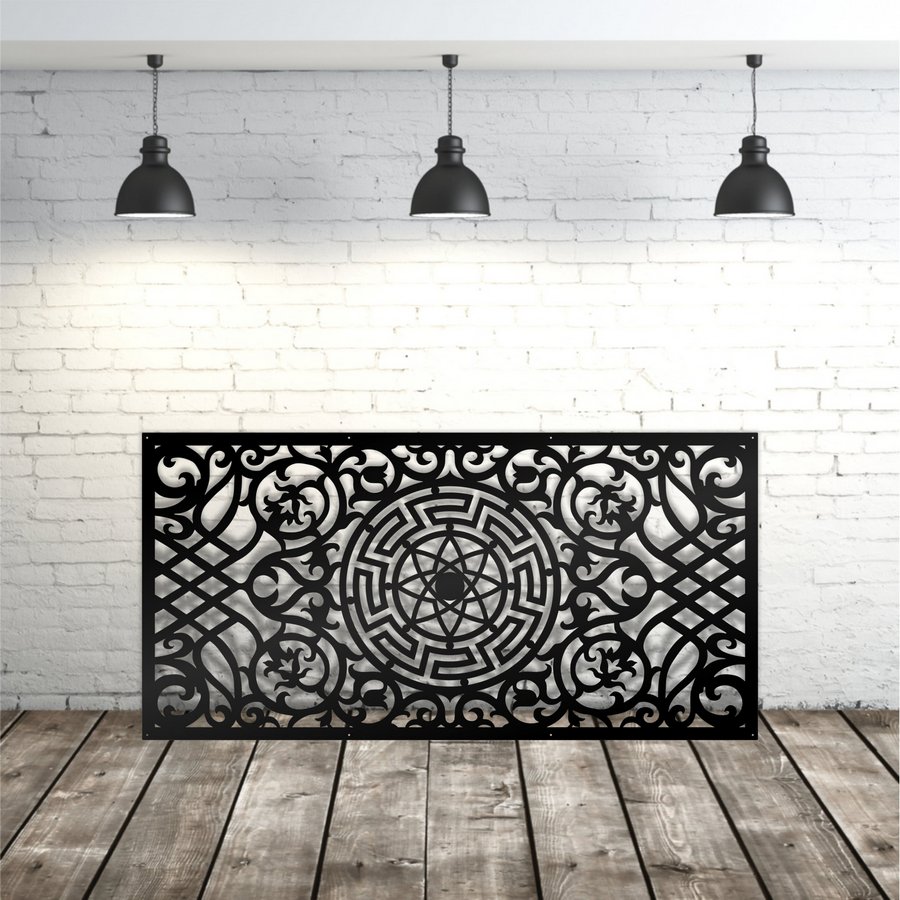
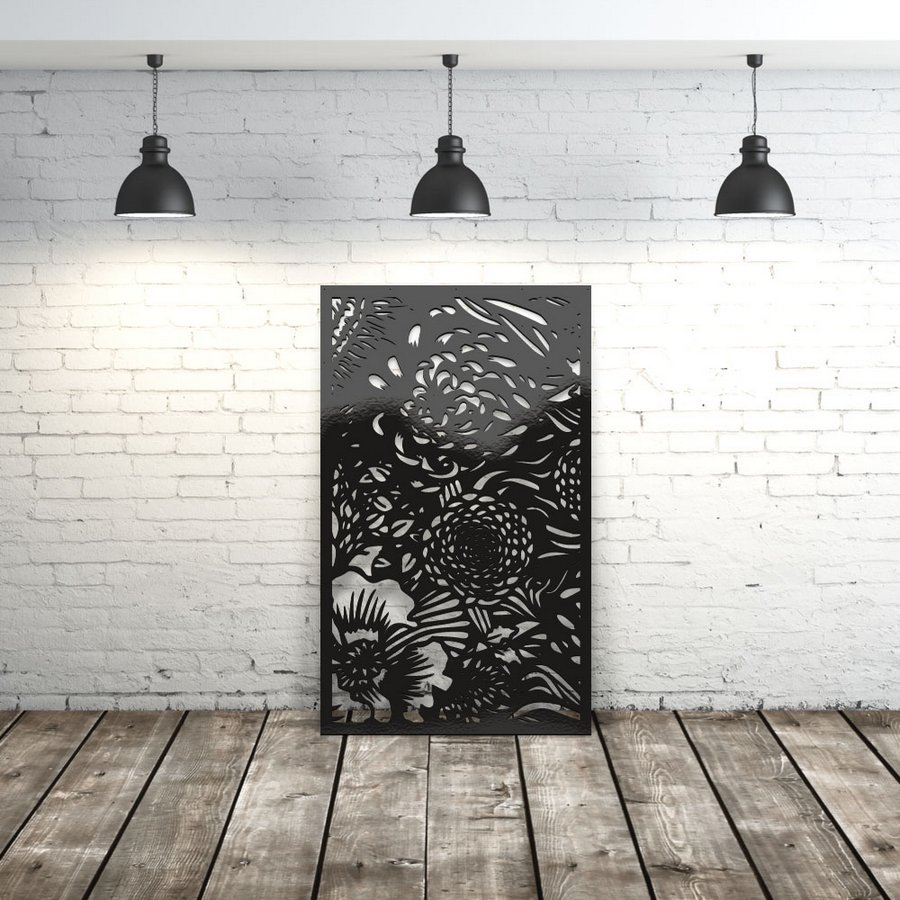
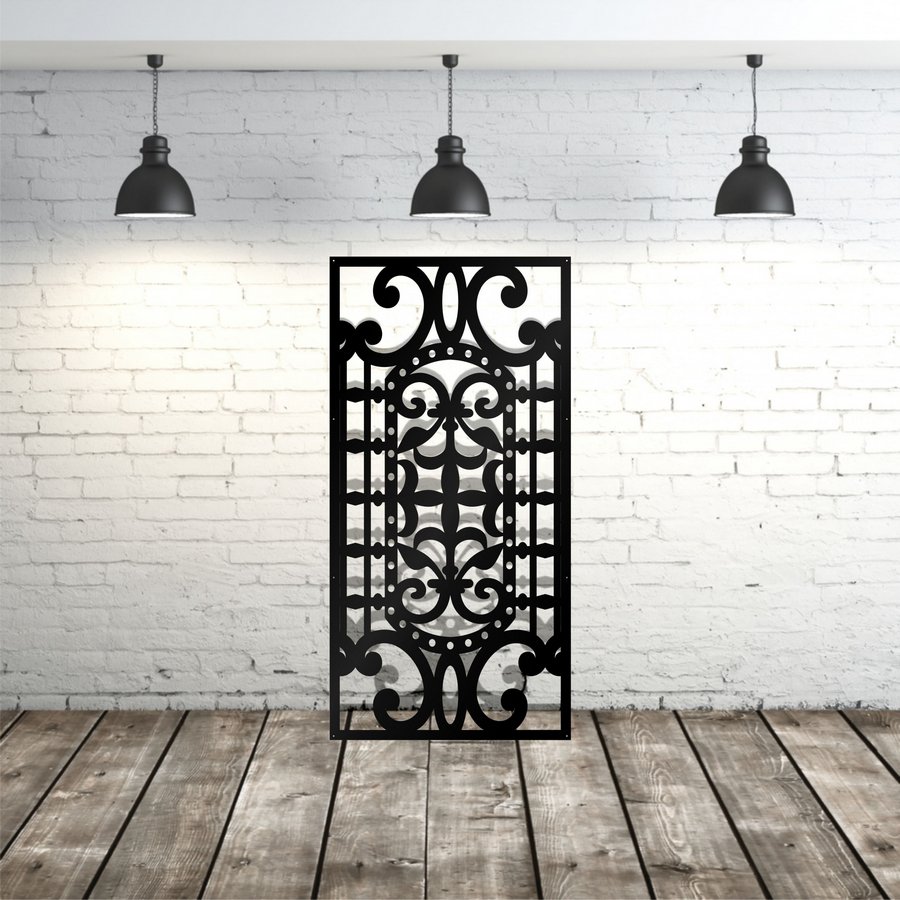
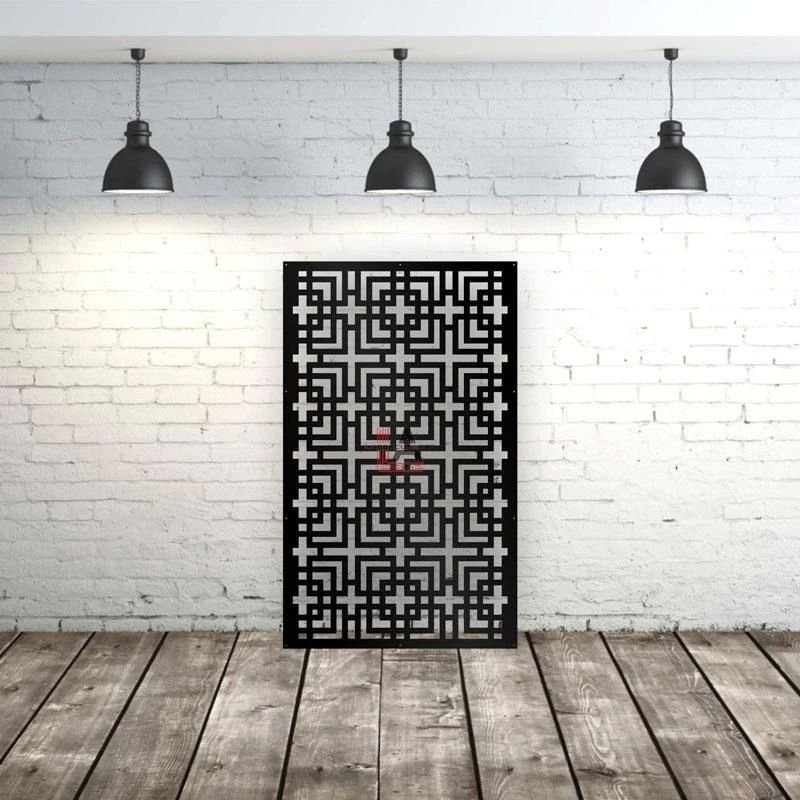
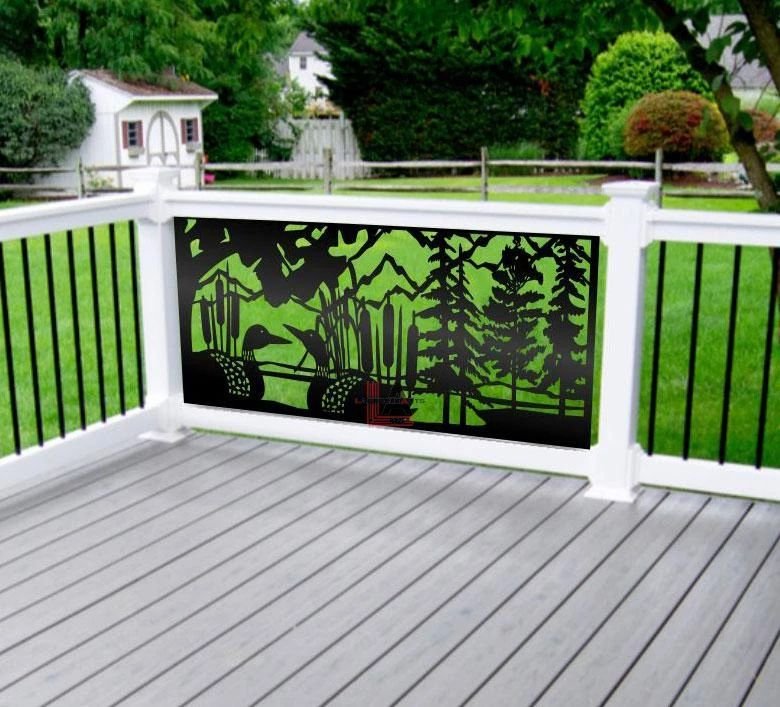
Laser‑cut privacy screens are panels made from extruded aluminum that have been precision‑cut using high‑power laser technology. The process creates intricate patterns—ranging from geometric lattices to organic motifs—without compromising the structural integrity of the sheet metal. The resulting screens can be:
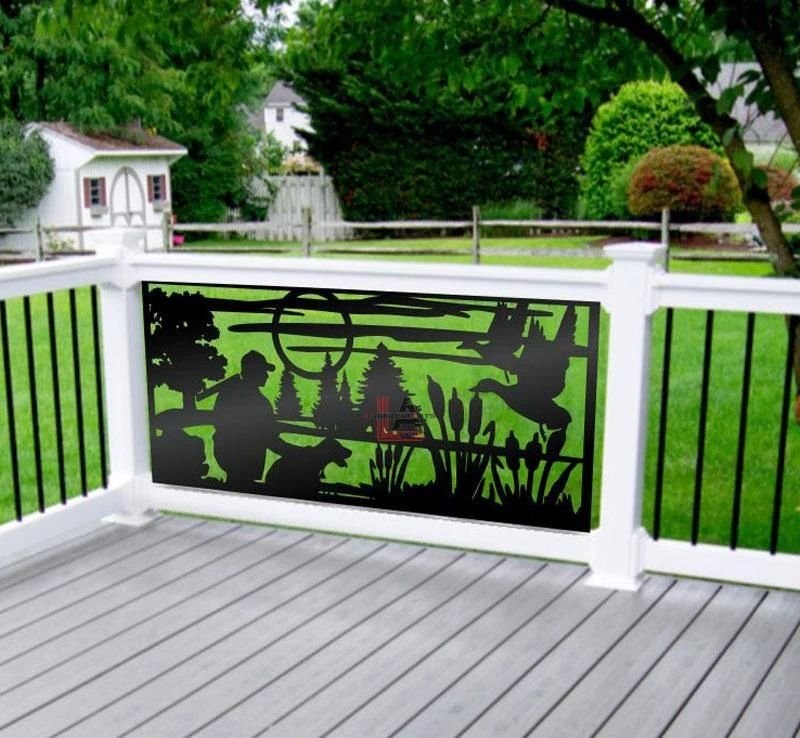
- Mounted externally on windows, doors, and outdoor living spaces to provide shade and privacy.
- Integrated internally as room dividers, acoustic panels, or decorative wall claddings.
Because the cuts are made with a computer‑controlled laser, designers can achieve virtually any pattern, repeatable across large production runs or customized for a single project.
3. Why Aluminum?
| Property | Relevance to Arizona |
|---|---|
| Corrosion resistance | The desert’s occasional flash floods and high humidity during monsoon season can accelerate rust on less‑protected metals. Aluminum forms a natural oxide layer that protects it from corrosion. |
| Lightweight yet strong | Easier handling and installation on rooftops or high‑rise façades, while still providing the rigidity needed for large spans. |
| Thermal conductivity | When combined with a powder‑coat finish and proper ventilation, aluminum screens reflect a significant portion of solar radiation, reducing heat gain. |
| Recyclability | Aluminum is 100 % recyclable without loss of properties, aligning with Arizona’s growing emphasis on sustainable building practices. |
4. Design Benefits of Laser Cutting
- Precision & Consistency – Laser beams can cut to tolerances of ±0.1 mm, ensuring every panel matches the design intent.
- Complex Geometry – Patterns that would be impossible or cost‑prohibitive with mechanical punching become feasible, allowing for custom motifs that echo desert flora, tribal art, or modern abstraction.
- Edge Quality – The clean, burr‑free edges reduce the need for post‑processing, which translates into smoother installation and a higher‑quality finish.
- Speed – Once a digital file is approved, the laser can cut dozens of panels per hour, shortening lead times for both standard and bespoke projects.
5. Climate‑Specific Advantages in Arizona
5.1 Solar Control
Arizona receives an average of 300 sunny days per year. Laser‑cut aluminum screens can be engineered with high‑density patterns that block up to 70 % of direct solar radiation while still allowing diffused light to filter through. This reduces reliance on air‑conditioning, especially on patios and sunrooms.
5.2 Heat Mitigation
When paired with a high‑reflectivity powder coat (e.g., light‑gray or metallic finishes), the screens reflect infrared wavelengths, keeping interior spaces cooler. Some installations incorporate a ventilated cavity behind the screen, allowing hot air to escape and promoting natural convection.
5.3 Storm Protection
Monsoonal gusts can generate wind speeds exceeding 70 mph. The rigidity of laser‑cut aluminum panels, combined with proper anchoring (e.g., stainless‑steel brackets and structural silicone), provides a resilient barrier that can withstand high wind loads while still offering visual privacy.
5.4 Dust & Sand Resistance
Fine desert dust can infiltrate traditional fabric or wood screens. Aluminum’s smooth, non‑porous surface is easy to clean—simple rinsing or low‑pressure washing removes buildup without damaging the pattern.
6. Installation Considerations
| Aspect | Best Practices for Arizona Projects |
|---|---|
| Mounting System | Use stainless‑steel or anodized aluminum brackets to avoid galvanic corrosion with the screen. Provide a slight gap (≈5 mm) between the screen and the substrate for airflow. |
| Structural Support | For spans over 6 ft, incorporate a reinforced mullion or a hidden steel backing to prevent deflection under wind load. |
| Sealing | Apply UV‑stable silicone sealant around perimeter joints to prevent water ingress during monsoons. |
| Electrical Integration | Screens can be combined with motorized shading systems; ensure wiring is rated for outdoor use and protected from UV exposure. |
| Compliance | Verify compliance with the Arizona Uniform Building Code (AUCC), especially sections dealing with wind resistance (ASCE 7‑16) and energy performance (Title 24). |
7. Maintenance & Longevity
- Cleaning: A quarterly rinse with a garden hose and a mild, non‑abrasive detergent is sufficient. For stubborn grime, a soft brush can be used.
- Inspection: Check fasteners and sealants after the first monsoon season, then annually. Replace any corroded hardware promptly.
- Re‑coating: Powder‑coat finishes can retain their color and protective qualities for 10‑15 years. If fading occurs, a professional recoating restores both aesthetics and corrosion resistance.
With proper care, laser‑cut aluminum screens can easily exceed a 30‑year service life, making them a cost‑effective long‑term investment despite the initial upfront expense.
8. Sustainability Aspects
- Embodied Energy – Aluminum production is energy‑intensive, but the recycling loop dramatically reduces the net embodied energy. Using recycled aluminum can cut the carbon footprint by up to 95 %.
- Energy Savings – By reducing solar heat gain, screens can lower cooling loads by 10‑20 % in typical Arizona homes, translating into measurable reductions in electricity consumption.
- End‑of‑Life – At the end of their useful life, the panels can be re‑melted and re‑extruded without loss of material quality, supporting a circular economy.
9. Design Trends Shaping the Arizona Market
- Biophilic Patterns – Motifs inspired by saguaro cacti, desert wildflowers, and rippling sand dunes are popular for residential projects seeking a connection to the landscape.
- Parametric Geometry – Architects are leveraging algorithmic design tools to generate custom, non‑repeating patterns that respond to site orientation, optimizing shading where it’s needed most.
- Hybrid Systems – Combining laser‑cut aluminum with transparent photovoltaic (PV) glazing creates façades that generate electricity while providing privacy.
- Integrated Lighting – LED strips concealed behind the screen’s lattice add ambient lighting for night‑time patios, enhancing safety and visual appeal.
10. Case Study Highlights (Conceptual)
| Project Type | Application | Design Highlights |
|---|---|---|
| Modern Desert Residence | Exterior patio screen | 45° slatted pattern oriented to block high‑angle summer sun while allowing winter sun to penetrate. Powder‑coated in sand‑tone matte finish. |
| Urban Office Building – Phoenix | Interior office divider | Custom parametric lattice that creates acoustic diffusion and visual privacy. Integrated with motion‑sensor LED backlighting. |
| Healthcare Facility – Tucson | Exterior façade | Large‑scale perforated panels that reduce solar gain, improve patient comfort, and meet LEED‑v4 credits for daylighting and thermal comfort. |
These examples illustrate how laser‑cut aluminum screens can be tailored to diverse functional and aesthetic goals while addressing Arizona’s environmental challenges.
11. Conclusion
Laser‑cut privacy aluminum screens represent a convergence of technology, material science, and design that is especially well‑suited to Arizona’s demanding climate. Their ability to provide shade, privacy, and visual intrigue—without sacrificing durability—makes them an increasingly popular choice for both residential and commercial projects across the state.
When specifying a screen system, architects and builders should consider:
- Pattern density and orientation for optimal solar control.
- Finish selection to reflect heat and resist UV degradation.
- Structural anchoring that complies with local wind and building codes.
- Sustainability goals, leveraging recycled aluminum and energy‑saving benefits.
By integrating these considerations, laser‑cut aluminum screens can enhance comfort, reduce energy consumption, and contribute to a modern, resilient built environment—perfectly aligned with the evolving architectural identity of the Arizona desert.
Prepared for architects, developers, and design professionals seeking a climate‑responsive, high‑performance shading solution.
Leave a Reply