Metal Laser‑Cut Privacy Screens in Seattle: Design, Context, and Impact
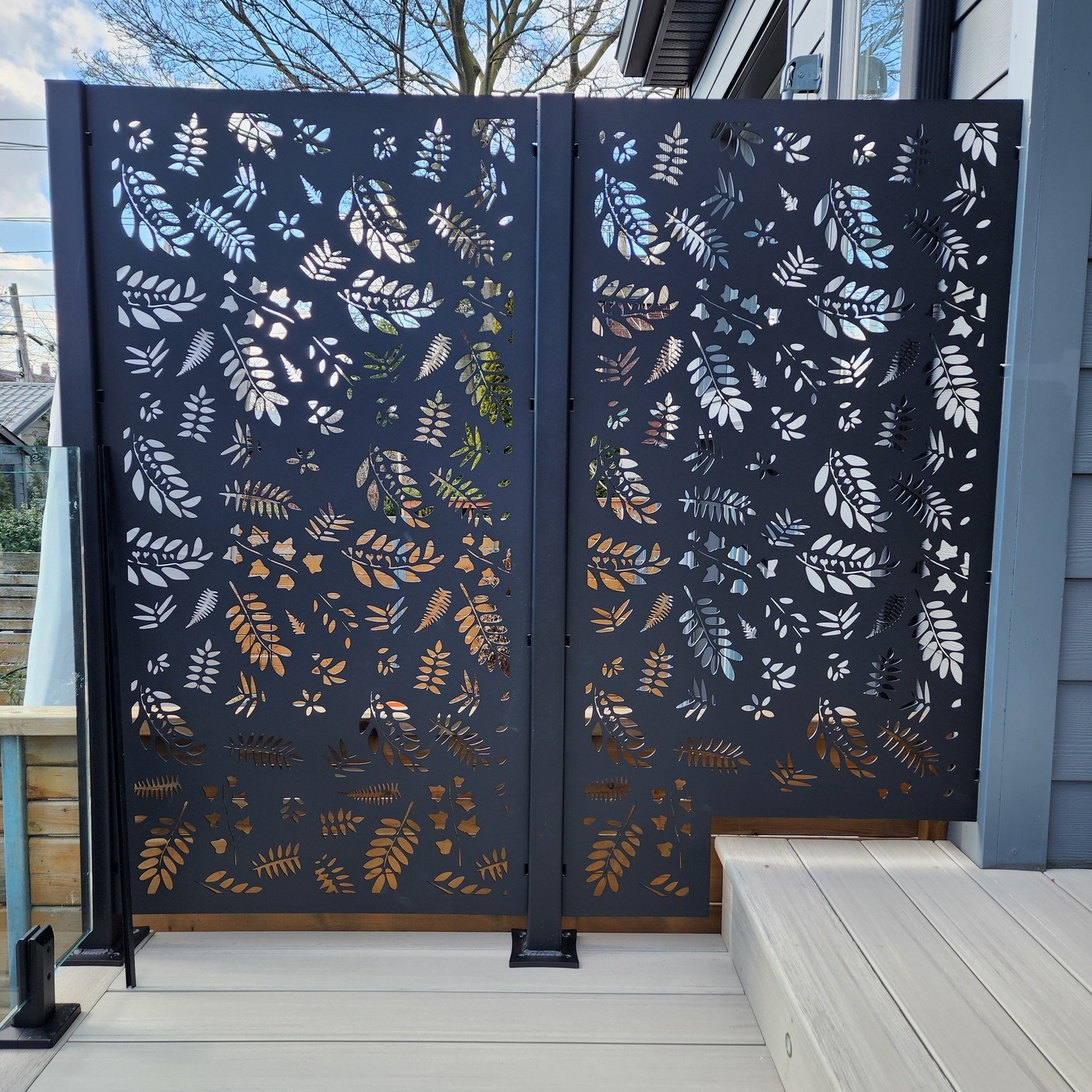
Seattle’s urban fabric is defined by a blend of high‑tech innovation, waterfront scenery, and a strong commitment to sustainable design. Within this environment, metal laser‑cut privacy screens have emerged as a distinctive architectural element, offering both functional separation and artistic expression. This article explores the material, technological, and cultural dimensions of these screens in the Emerald City, while deliberately steering clear of specific usage instructions, price points, or brand references.
1. Why Metal Laser‑Cut Screens Matter
1.1 Aesthetic Versatility
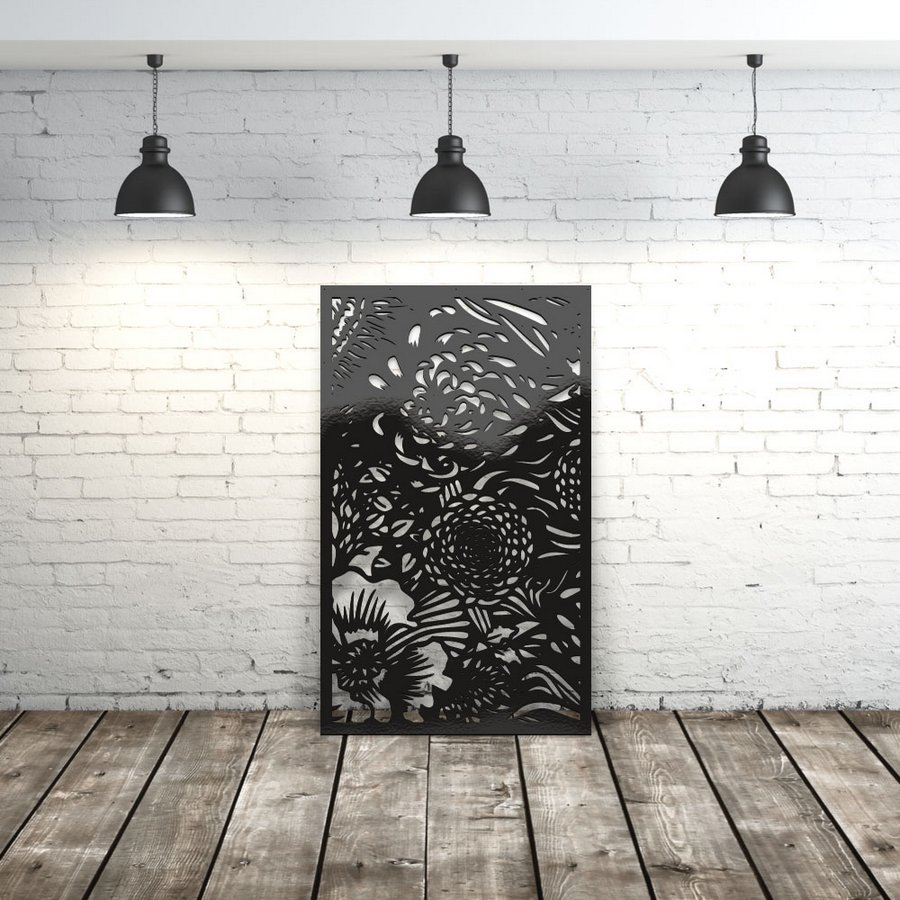
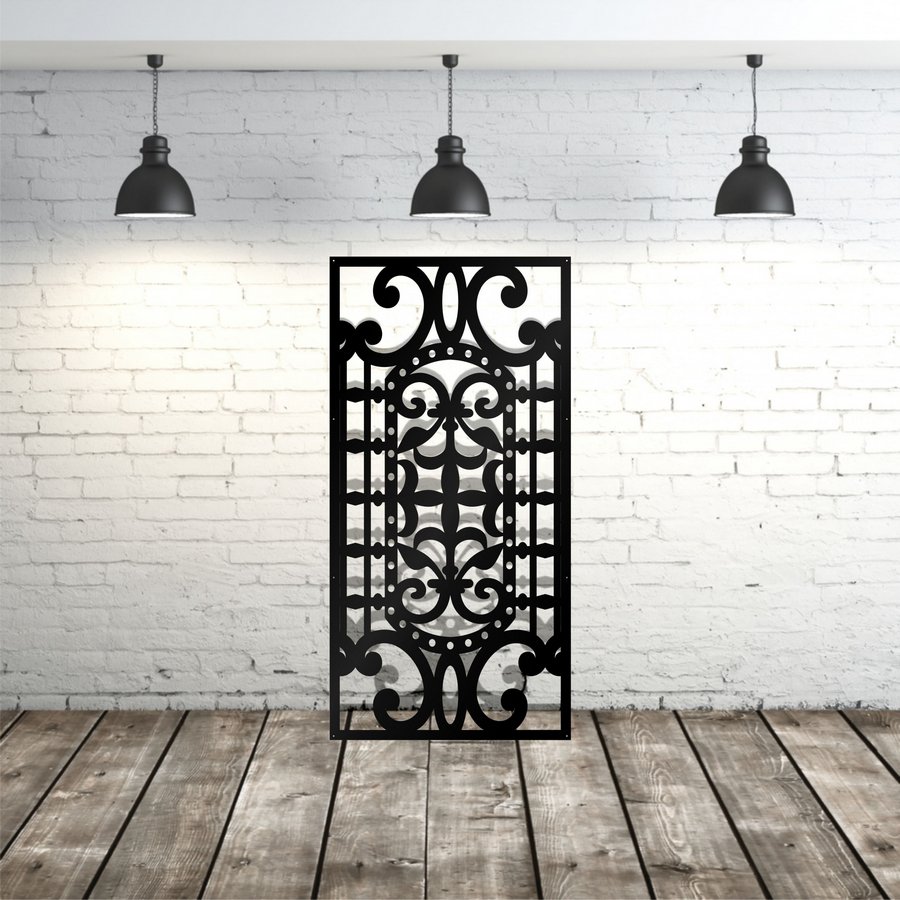
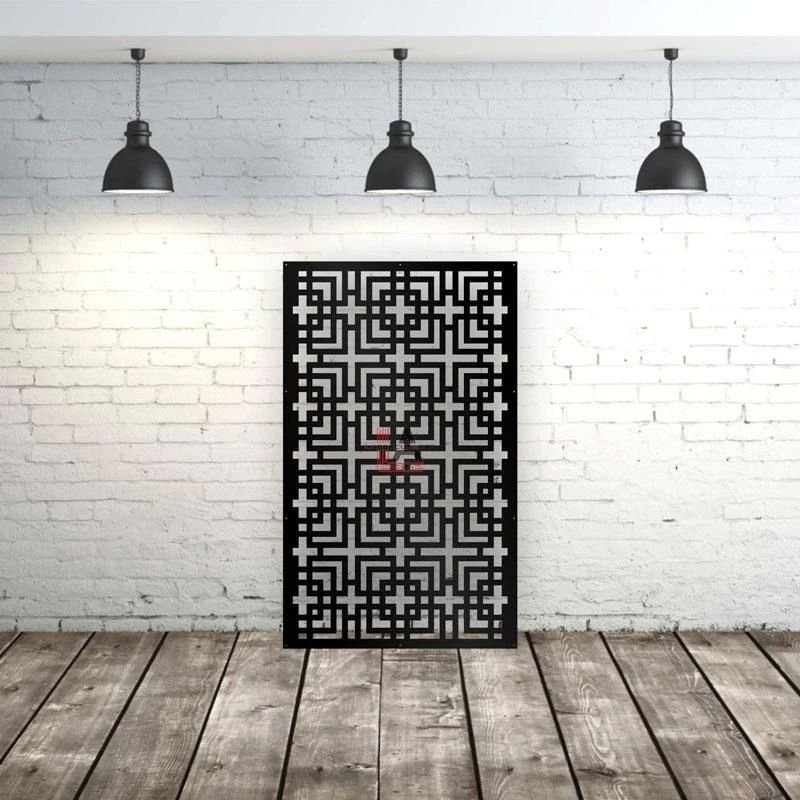
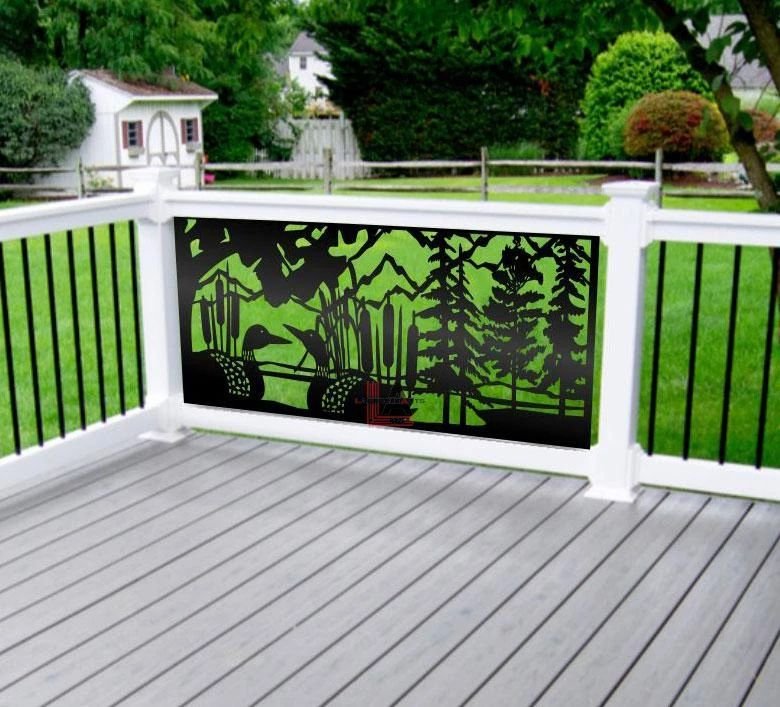
Laser cutting transforms a plain metal sheet into a lattice of intricate patterns, ranging from geometric grids to organic motifs inspired by the Pacific Northwest’s forests and waterways. The resulting perforations create a dynamic play of light and shadow that changes throughout the day, adding visual depth to façades, courtyards, and interior partitions.
1.2 Functional Benefits
Beyond aesthetics, the screens serve three core functions:
| Function | How It Manifests in Metal Screens |
|---|---|
| Privacy | The patterned openings block direct sightlines while still allowing airflow and visual connection to the surrounding environment. |
| Light Modulation | Sunlight is filtered, reducing glare and heat gain without completely darkening the space. |
| Acoustic Damping | The perforated metal surface can attenuate ambient noise, a valuable asset in Seattle’s bustling downtown and waterfront districts. |
1.3 Sustainability Credentials
Metal—particularly steel and aluminum—offers high recyclability. Laser cutting is a subtractive process that generates minimal waste, especially when designers employ nesting software to maximize material utilization. The durability of metal ensures a long service life, reducing the need for frequent replacement and aligning with Seattle’s green building goals.
2. The Technology Behind the Cut
2.1 Laser Cutting Basics
A high‑power laser beam vaporizes metal along a pre‑programmed path, producing clean edges with tolerances often tighter than 0.1 mm. This precision enables designers to experiment with complex geometries that would be impractical using traditional stamping or punching methods.
2.2 Material Choices
- Stainless Steel: Offers corrosion resistance—critical for installations near the Puget Sound or in rain‑heavy neighborhoods.
- Aluminum: Lighter and highly reflective, suitable for projects where weight constraints are a concern.
- Weathering Steel (Corten): Develops a protective rust patina that blends with Seattle’s industrial aesthetic.
2.3 Finishing Techniques
Post‑cut treatments such as powder coating, anodizing, or natural patination enhance durability and allow the screen to harmonize with surrounding architecture—whether that means a matte black for a modern office tower or a warm copper hue for a historic district renovation.
3. Seattle’s Architectural Landscape and the Role of Screens
3.1 Urban Density and Public Space
Seattle’s rapid growth has intensified the need for flexible spatial solutions. Metal laser‑cut screens provide a semi‑permanent way to delineate zones in mixed‑use developments, allowing plazas, rooftop gardens, and waterfront promenades to retain openness while offering pockets of seclusion.
3.2 Integration with Local Design Themes
The city’s design language often references natural forms—mountain silhouettes, evergreen trees, and water currents. Designers translate these motifs into laser‑cut patterns, creating a visual dialogue between built structures and the surrounding landscape. For example, a screen featuring stylized fir‑needle perforations can echo the nearby Cascade foothills.
3.3 Regulatory Considerations
Seattle’s building codes emphasize fire safety, accessibility, and daylight performance. Metal screens, when properly engineered, meet fire‑rating requirements and can be incorporated into compliance calculations for daylight factor and view corridors. Additionally, the city’s emphasis on public art programs encourages the inclusion of artistic screen designs as part of development incentives.
4. Design Strategies and Conceptual Approaches
4.1 Pattern Development
Designers typically begin with a conceptual sketch—often derived from site analysis, cultural references, or environmental data (e.g., sun path diagrams). Digital modeling tools then translate these sketches into vector files that drive the laser cutter. The iterative process allows for rapid prototyping, enabling designers to test how a pattern interacts with light at different times of day.
4.2 Scale and Proportion
The size of the perforations dictates the degree of visual permeability. Larger openings create a more open feel, while finer patterns increase privacy. In Seattle’s high‑rise contexts, large‑scale screens can break up monolithic façades, whereas smaller, detailed screens are suited for intimate courtyard settings.
4.3 Interaction with Landscape
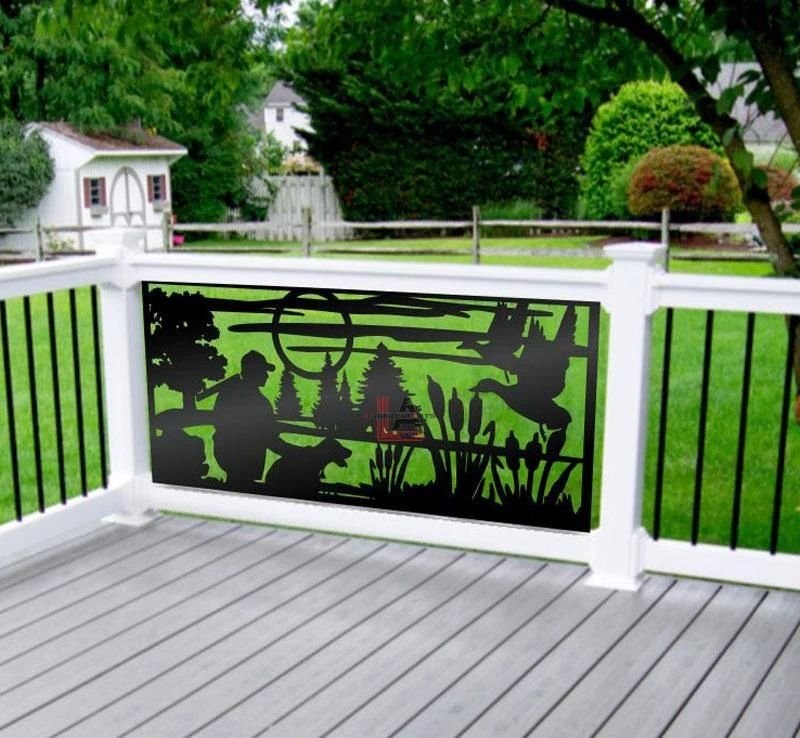
When placed adjacent to vegetation, the screens can act as a backdrop that accentuates plant silhouettes. Conversely, the shadows cast by the perforations can create dynamic ground patterns that evolve with the movement of the sun, adding a kinetic quality without any moving parts.
5. Community and Cultural Impact
5.1 Public Art Integration
Seattle’s commitment to public art often sees metal laser‑cut screens commissioned as site‑specific installations. These works become landmarks that invite community interaction, photography, and social media sharing, thereby enriching the city’s cultural tapestry.
5.2 Educational Opportunities
Local universities and design schools frequently collaborate on research projects exploring new laser‑cutting techniques, material performance, and parametric design. Such collaborations foster a pipeline of talent that keeps Seattle at the forefront of architectural innovation.
5.3 Economic and Environmental Ripple Effects
While the article does not discuss pricing, it is worth noting that the adoption of locally fabricated metal screens supports regional manufacturing jobs and reduces transportation emissions, reinforcing Seattle’s broader sustainability agenda.
6. Future Directions
6.1 Smart Integration
Emerging trends point toward embedding sensors or responsive lighting within the metal lattice, turning static screens into interactive façades that react to occupancy, weather, or time of day.
6.2 Adaptive Geometry
Advances in programmable laser cutters and parametric design may enable the creation of screens whose patterns can be altered post‑installation, offering a dynamic response to evolving urban needs.
6.3 Material Innovation
Research into reclaimed steel, bio‑based coatings, and hybrid composites promises to further reduce the environmental footprint while expanding the aesthetic palette available to designers.
7. Conclusion
Metal laser‑cut privacy screens have carved out a unique niche in Seattle’s built environment. Their ability to merge functional performance with artistic expression aligns perfectly with the city’s values of sustainability, innovation, and cultural vibrancy. As technology advances and designers continue to push the boundaries of pattern and material, these screens will likely become even more integral to shaping the visual and experiential quality of Seattle’s neighborhoods—offering privacy, light, and a touch of the Pacific Northwest’s natural beauty, all without compromising the openness that defines the city’s spirit.
Leave a Reply