Metal Laser‑Cut Privacy Screens in Chicago: A Design‑Centric Overview
1. Introduction
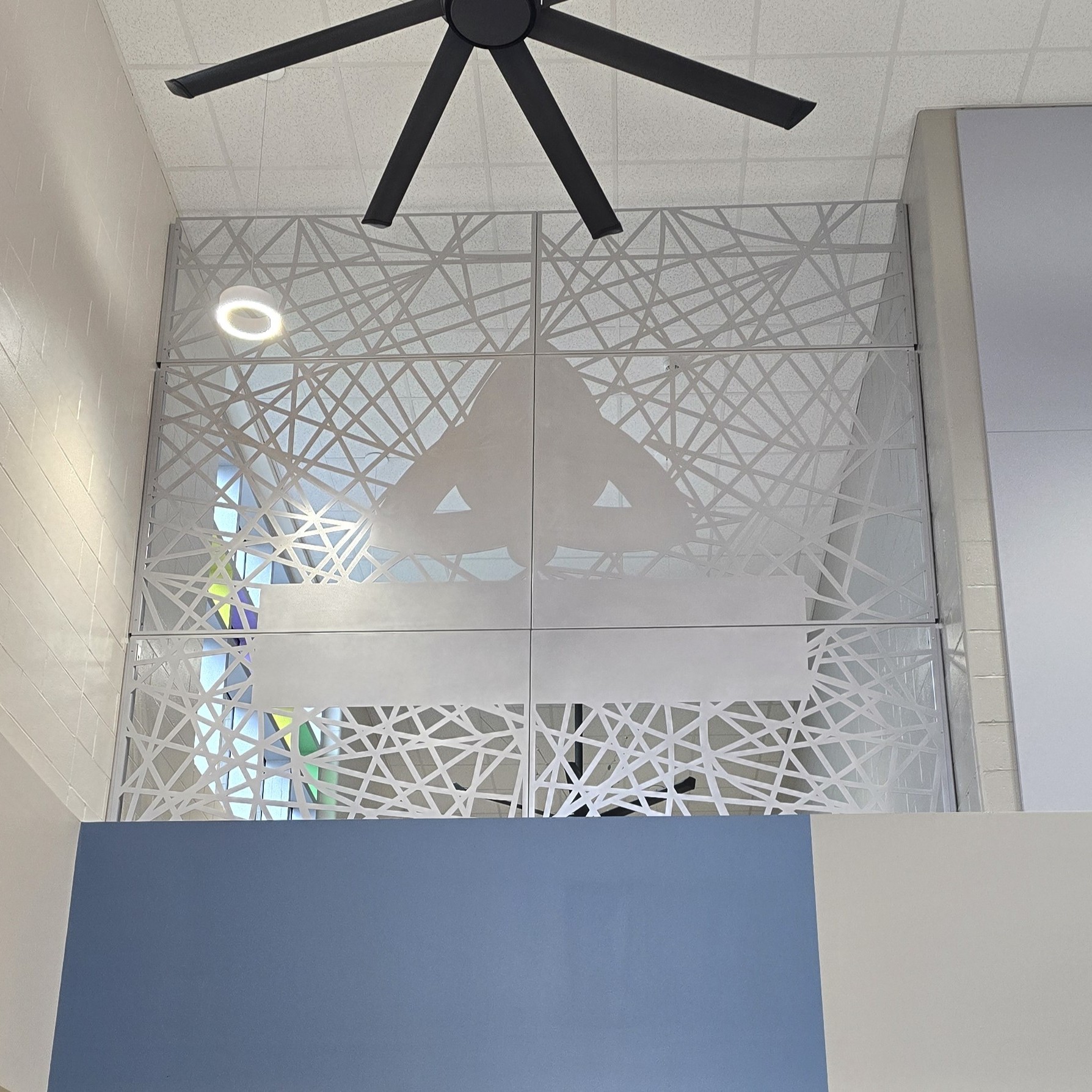
Chicago’s skyline is a living laboratory of modern architecture, where glass façades, reclaimed brick, and exposed steel coexist. In such a dense urban fabric, the demand for visual privacy without sacrificing openness has given rise to metal laser‑cut privacy screens. These perforated panels blend functional separation with artistic expression, offering a sleek alternative to traditional solid walls, curtains, or foliage.
2. What Is a Metal Laser‑Cut Privacy Screen?
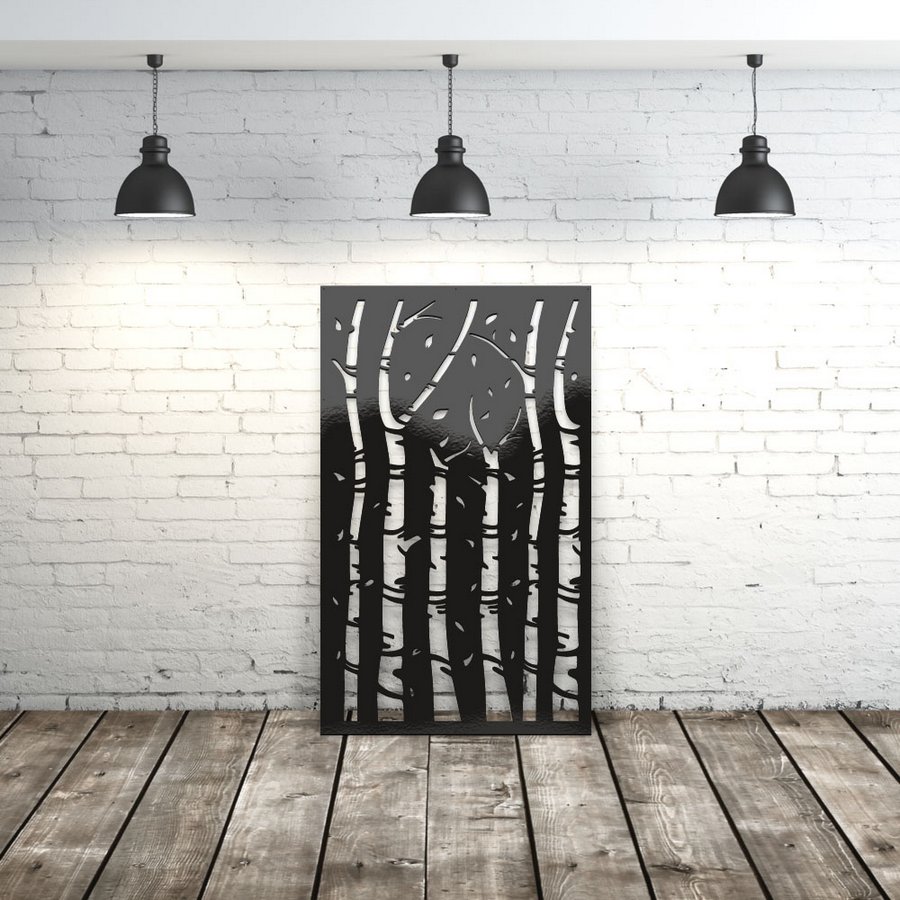
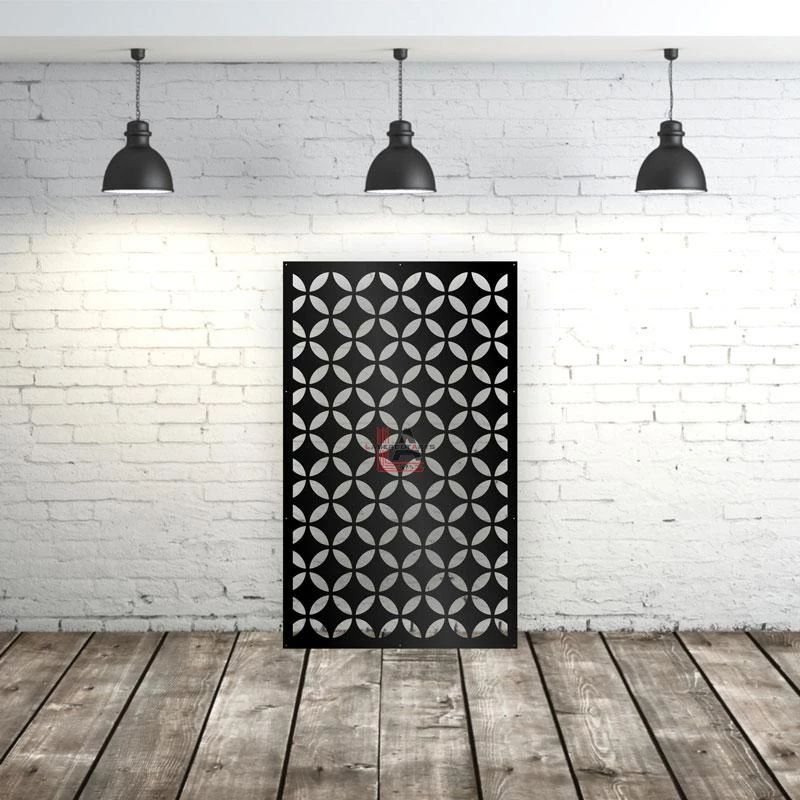
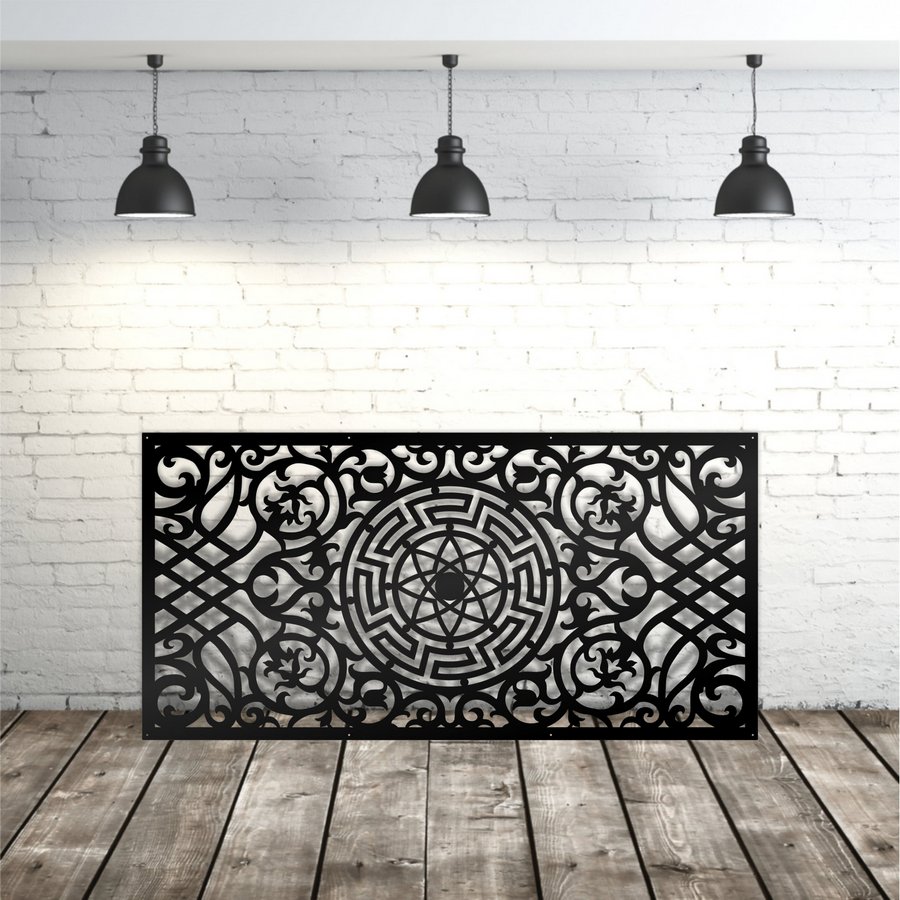
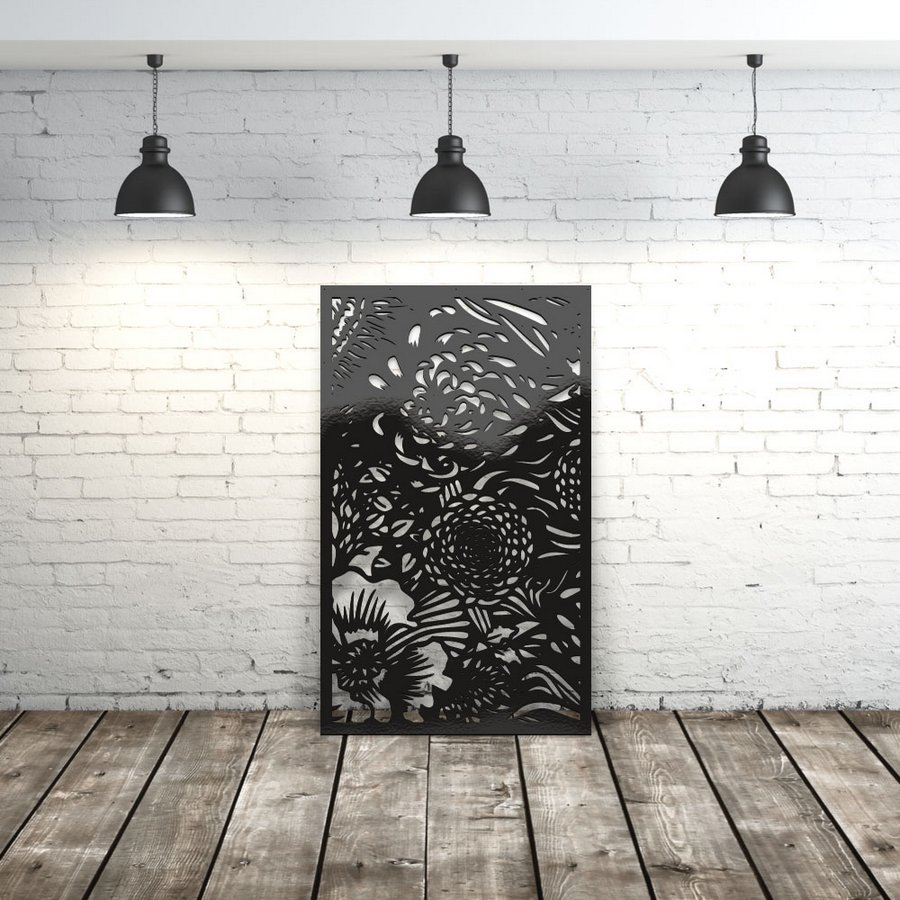
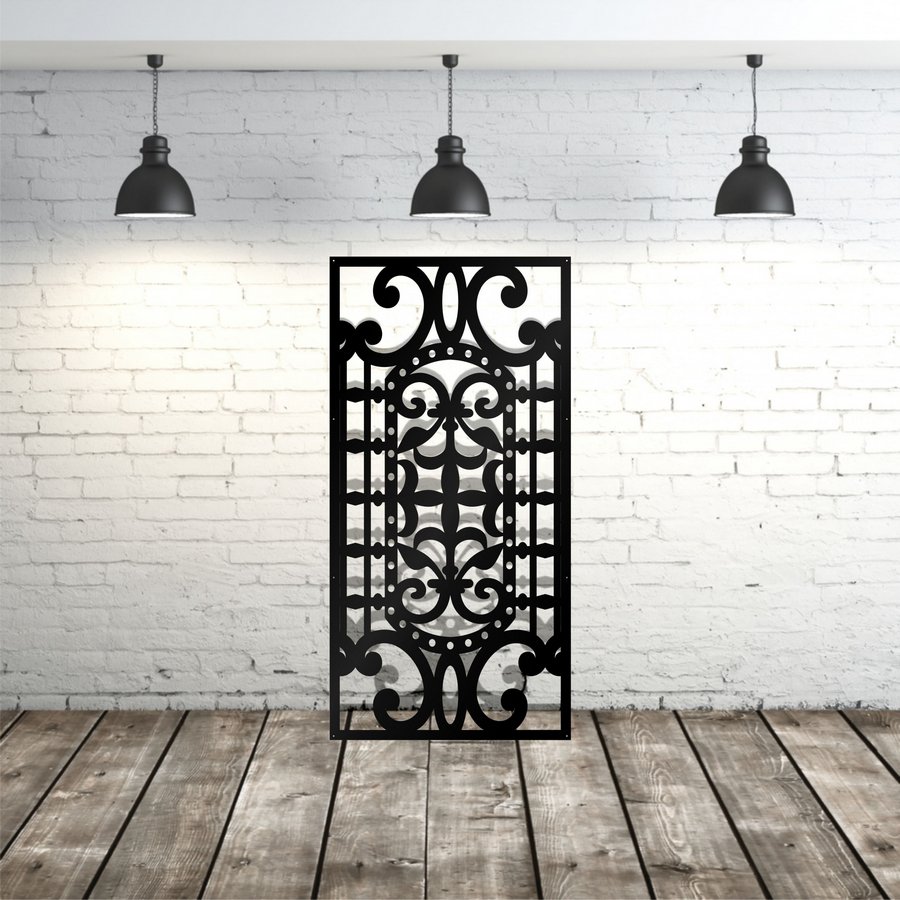
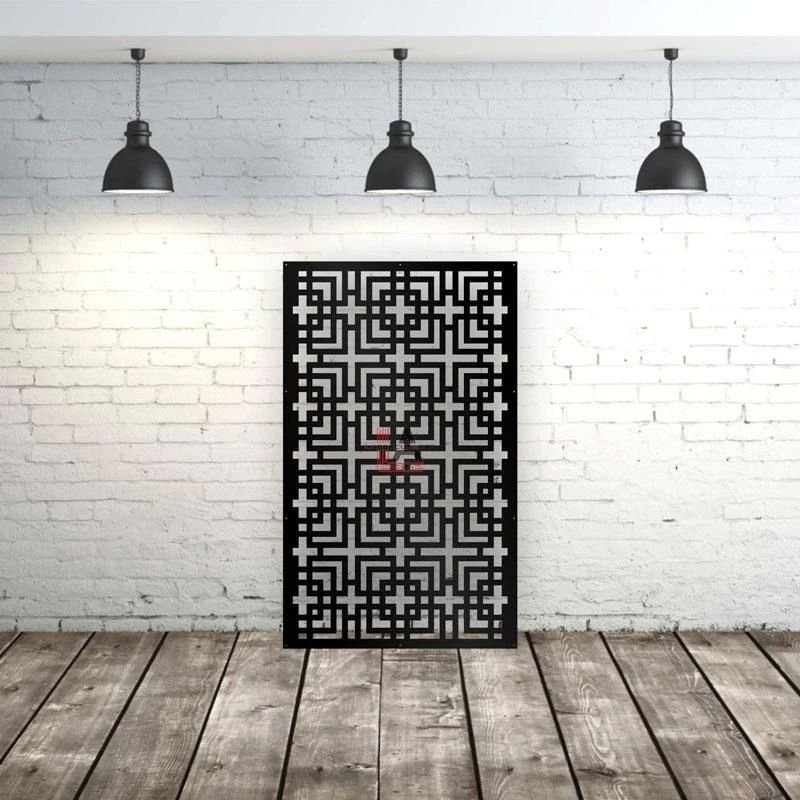
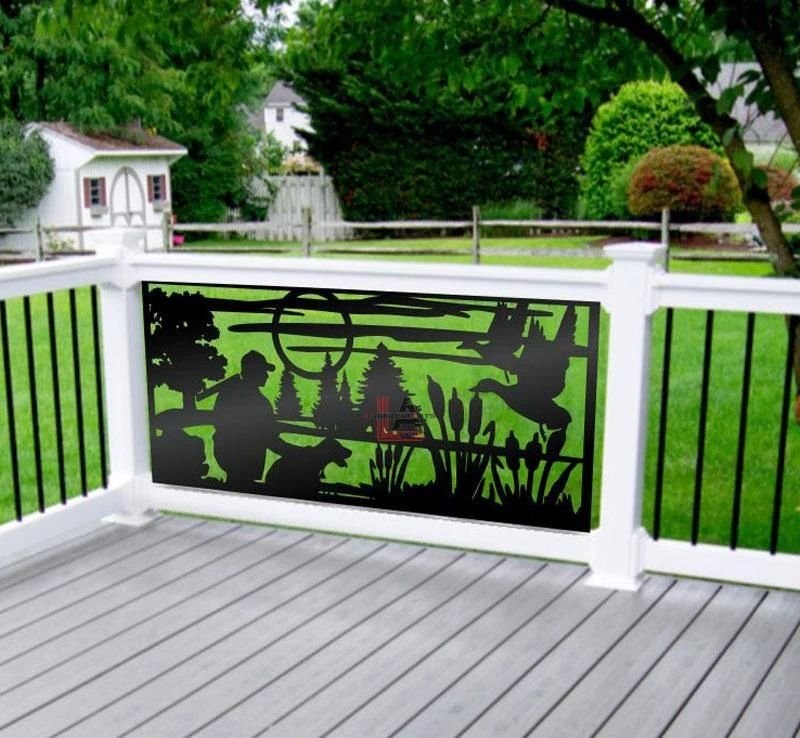
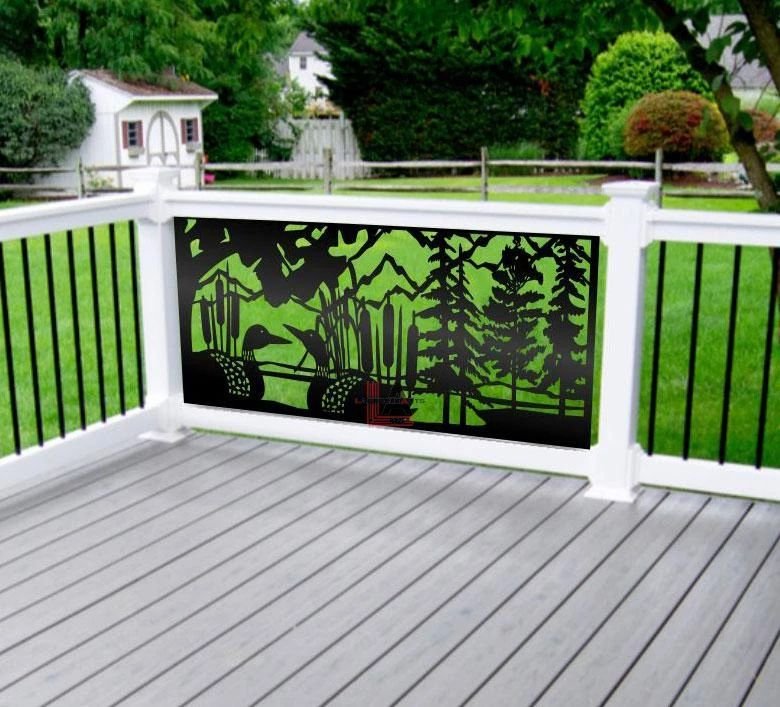
A metal laser‑cut privacy screen is a thin sheet—typically stainless steel, corten steel, aluminum, or a combination thereof—whose surface has been precisely perforated by a high‑power laser. The resulting pattern can range from geometric grids to organic motifs, and the cut‑through depth can be adjusted to control light transmission, airflow, and sightlines. Because the laser follows a computer‑generated vector file, the final product can be reproduced exactly or customized for a single project.
3. Design and Aesthetic Considerations
| Aspect | Impact on the Chicago Context |
|---|---|
| Pattern Language | Geometric repetitions echo the city’s grid, while abstract or nature‑inspired designs soften the hard edges of high‑rise exteriors. |
| Scale | Large‑format panels (up to 12 ft × 8 ft) can frame entire storefronts, whereas smaller modules suit balcony railings or interior partitions. |
| Transparency vs. Opacity | By varying cut density (e.g., 30 % open vs. 70 % open), designers can modulate the balance between daylight penetration and visual shielding, a crucial factor for Chicago’s seasonal light shifts. |
| Edge Treatment | Beveled or rounded edges reduce the risk of injury and contribute to a refined silhouette against the skyline. |
| Integration with Lighting | Back‑lighting or integrated LED strips highlight the cut‑out patterns after dusk, turning the screen into a kinetic façade element. |
4. Material Selection & Fabrication
- Stainless Steel (304/316): Offers corrosion resistance against Chicago’s lake‑induced humidity and industrial pollutants. Its reflective surface can be brushed, polished, or matte‑finished.
- Corten Steel: Develops a stable rust patina that blends with the city’s historic brick and concrete, requiring minimal maintenance.
- Aluminum: Lightweight and highly recyclable, it is ideal for applications where structural load is a concern, such as rooftop terraces.
The laser‑cutting process itself is a CNC‑controlled operation that produces clean edges with tolerances within ±0.1 mm. This precision enables seamless panel alignment and the possibility of interlocking systems that create larger, continuous screens without visible seams.
5. Integration with Chicago Architecture
Chicago’s architectural heritage—think the Chicago School, Art Deco, and contemporary high‑tech towers—provides a rich backdrop for laser‑cut screens:
- Historic Districts: Subtle perforations can respect the visual language of heritage façades while adding a modern layer of privacy.
- Modern High‑Rises: Large, vertically oriented patterns can break up monolithic glass towers, reducing wind‑induced glare and providing a sense of scale.
- Mixed‑Use Developments: Screens can delineate commercial storefronts from residential units without erecting full walls, preserving street‑level permeability.
Because the panels are relatively thin (typically 1–3 mm), they can be mounted directly onto existing structural members, preserving the building envelope and minimizing additional load.
6. Regulatory & Zoning Considerations
Chicago’s Building Code and local zoning ordinances influence the deployment of metal privacy screens:
- Fire Rating: Panels must meet the applicable fire‑resistance classification (e.g., ASTM E84) when used as interior partitions.
- Wind Load: For exterior installations, especially on high‑rise façades, engineers must verify that the screen system can withstand the city’s wind pressures (often exceeding 100 psf at upper elevations).
- Historic Preservation: In designated districts, any alteration to the façade—including the addition of screens—requires review by the Commission on Chicago Landmarks.
- Accessibility: Screens placed near pedestrian pathways must not impede the required clear width for ADA compliance.
Early coordination with architects, structural engineers, and city officials ensures that the design complies with these standards while preserving aesthetic intent.
7. Sustainability & Environmental Impact
- Recyclability: Steel and aluminum are among the most recyclable materials on the market; end‑of‑life panels can be re‑melted with minimal loss of material quality.
- Embodied Energy: Laser cutting is a low‑waste process; the only by‑product is a thin metal dust that can be collected and recycled.
- Thermal Performance: Perforated screens can act as passive shading devices, reducing solar heat gain and consequently lowering HVAC energy consumption.
- Urban Heat Island Mitigation: When paired with reflective finishes or integrated greenery, the screens contribute to a cooler microclimate at street level.
These attributes align with Chicago’s “Zero Waste” and “Carbon Neutral” initiatives, making laser‑cut screens a responsible choice for new construction and retrofits alike.
8. Installation & Maintenance (General Overview)
Installation typically follows a modular approach:
- Structural Assessment: Verify load‑bearing capacity of the mounting substrate.
- Panel Alignment: Use laser‑leveling tools to ensure a uniform plane across the entire screen.
- Fixing System: Stainless‑steel brackets or concealed clips are commonly employed, allowing for easy removal if future reconfiguration is needed.
Maintenance is straightforward:
- Cleaning: Periodic washing with a mild detergent and soft brush removes dust and pollutants.
- Inspection: Annual checks for corrosion, loose fasteners, or deformation help preserve structural integrity.
- Surface Treatment: If a specific finish (e.g., powder coating) begins to degrade, it can be recoated without affecting the cut pattern.
9. Emerging Trends
- Parametric Design: Architects are leveraging algorithmic tools to generate patterns that respond to site‑specific data such as sun path, wind direction, or pedestrian flow.
- Interactive Facades: Integration of sensors and responsive lighting transforms the screen into a dynamic display that reacts to ambient conditions or user interaction.
- Hybrid Materials: Combining laser‑cut steel with translucent polymer inserts creates a semi‑transparent effect, blurring the line between solid screen and glass.
- Prefabricated Systems: Off‑site fabrication of panel assemblies speeds up on‑site installation, a valuable advantage in Chicago’s fast‑paced development cycles.
These directions point toward a future where privacy screens are not merely static partitions but active components of the urban fabric.
10. Conclusion
Metal laser‑cut privacy screens have become a versatile design tool in Chicago, marrying the city’s industrial heritage with contemporary demands for privacy, aesthetics, and sustainability. By offering precise control over light, sightlines, and material performance, they enable architects and developers to craft façades and interiors that are both functional and visually compelling. As technology advances and regulatory frameworks evolve, these perforated metal panels are poised to play an even larger role in shaping the look and feel of Chicago’s built environment.
Leave a Reply